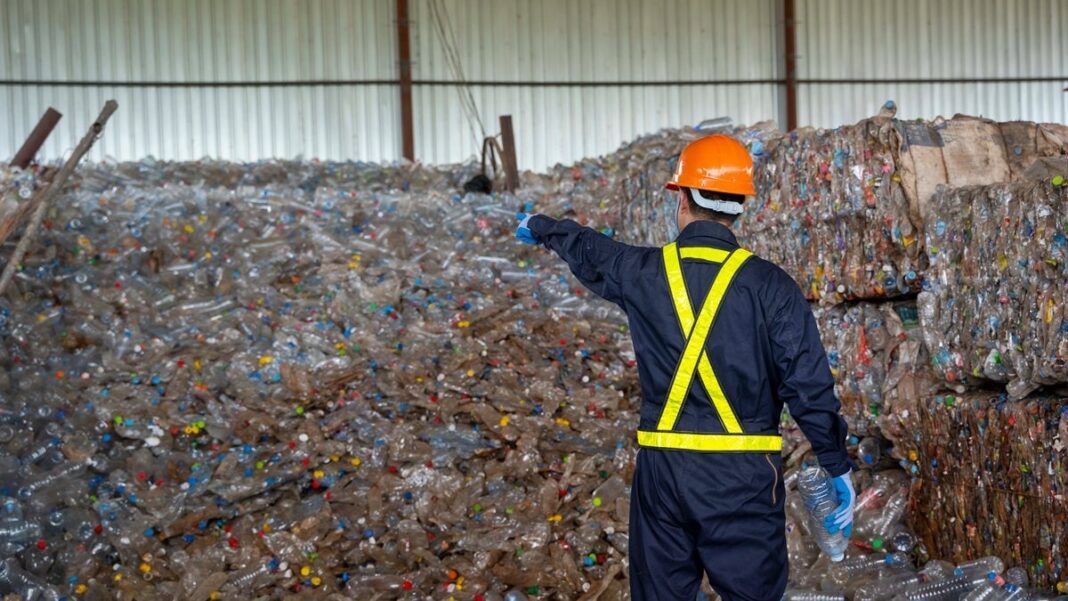
Every year, the world produces over 460 million tonnes of plastic and millions of tonnes of it end up in the environment.
But humanity might finally have a solution to this seemingly insolvable problem.
Researchers at Adelaide University say sunlight could be the key to turning that pollution into a solution.

A new study published in the journal Chem Catalysis explores how solar-powered technologies can convert waste plastic into hydrogen, syngas, and other useful industrial chemicals.
Led by PhD candidate Xiao Lu, the research outlines a process called solar-driven photoreforming. It’s a process where light-activated materials known as photocatalysts break down plastics at relatively low temperatures to produce clean fuel.
“Plastic is often seen as a major environmental problem, but it also represents a significant opportunity,” said Ms Lu. “If we can efficiently convert waste plastics into clean fuels using sunlight, we can address pollution and energy challenges at the same time.”
IS PLASTIC A BETTER FUEL THAN WATER?
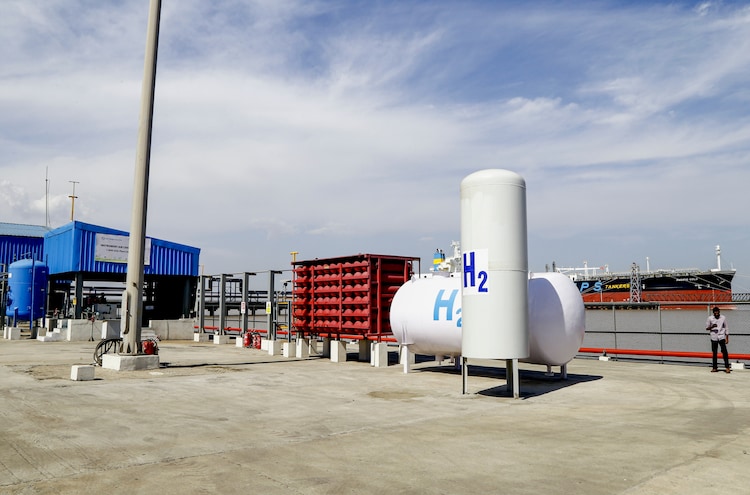
The key product of the process is hydrogen, which is a clean fuel that produces zero emissions when used.
What makes this approach stand out is its efficiency.

Unlike conventional methods of producing hydrogen by splitting water, plastic-based photoreforming is more energy-efficient because plastics are easier to oxidise, making them potentially more viable on a large scale.
Recent experiments have shown strong early results.
Researchers have achieved high rates of hydrogen production, acetic acid, and even diesel-range hydrocarbons, with some conversion systems running continuously for over 100 hours.
PROBLEMS REMAIN
Despite the promise, significant hurdles remain before this technology can move beyond the laboratory.
“One major hurdle is the complexity of plastic waste itself,” said senior author Professor Xiaoguang Duan from the School of Chemical Engineering at Adelaide University. “Different types of plastics behave differently during conversion, and additives such as dyes and stabilisers can interfere with the process. Efficient sorting and pre-treatment are therefore essential to maximise performance and product quality.”
Photocatalysts, the light-activated materials that drive the reaction, must also be made far more durable.
Current versions can degrade over time, limiting long-term use.
Furthermore, separating the gases and liquids produced during conversion adds another layer of difficulty, requiring energy-intensive purification that can erode the process’s sustainability.
“There is still a gap between laboratory success and real-world application,” Duan said. “We need more robust catalysts and better system designs to ensure the technology is both efficient and economically viable at scale.”
The team is now calling for a more integrated approach, combining better catalyst design, smarter reactor engineering, and improved system monitoring to move the technology closer to industrial use.
“With continued innovation,” Ms Lu said, “we believe solar-powered plastic-to-fuel technologies could play a key role in building a sustainable, low-carbon future.”