Invasive species are among the most significant threats to the United States’ native wildlife and ecosystems. Defined as non-native organisms that cause environmental, economic, or health-related harm, invasive species can include plants, animals, insects, birds, fish, and even diseases. Whether introduced intentionally or accidentally, these species disrupt natural habitats, reduce biodiversity, and compete with native species for resources. Among these, invasive snakes are particularly concerning due to their predatory nature and adaptability. Here, we explore seven invasive snakes in the United States, detailing their impact on local ecosystems and wildlife.
Meet the invasive snakes changing America’s wildlife balance
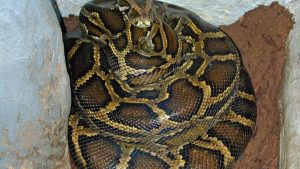
Burmese Python
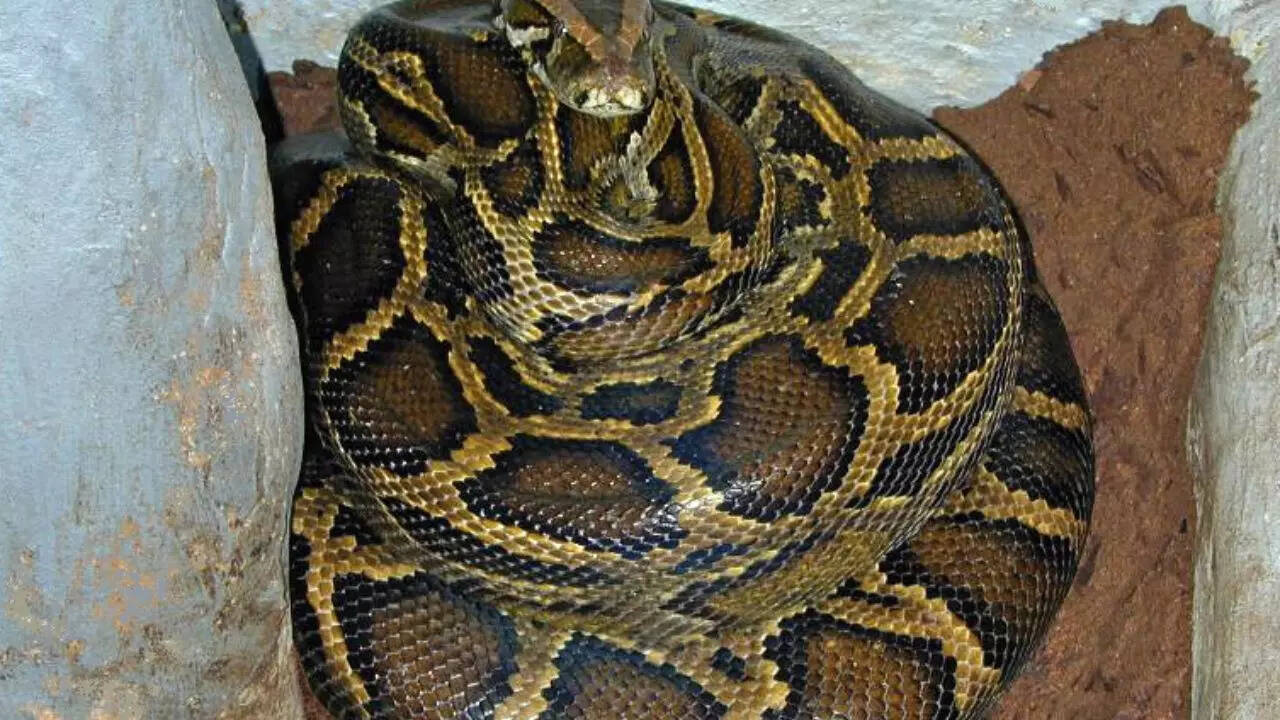
The Burmese python (Python bivittatus) is a nonvenomous constrictor native to Southeast Asia.
These snakes can grow between 10 to 16 feet long and weigh 100 to 200 pounds. Introduced to Florida through the pet trade, Burmese pythons have established populations in the Everglades.
Characterized by brown streaks outlined in black along their backs, these pythons prey on raccoons, opossums, bobcats, foxes, birds, amphibians, and other reptiles. While they are not considered a direct threat to humans in Florida, they profoundly impact local ecosystems by competing with native predators and reducing populations of small and medium-sized animals.
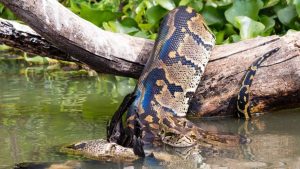
Central African Rock Python
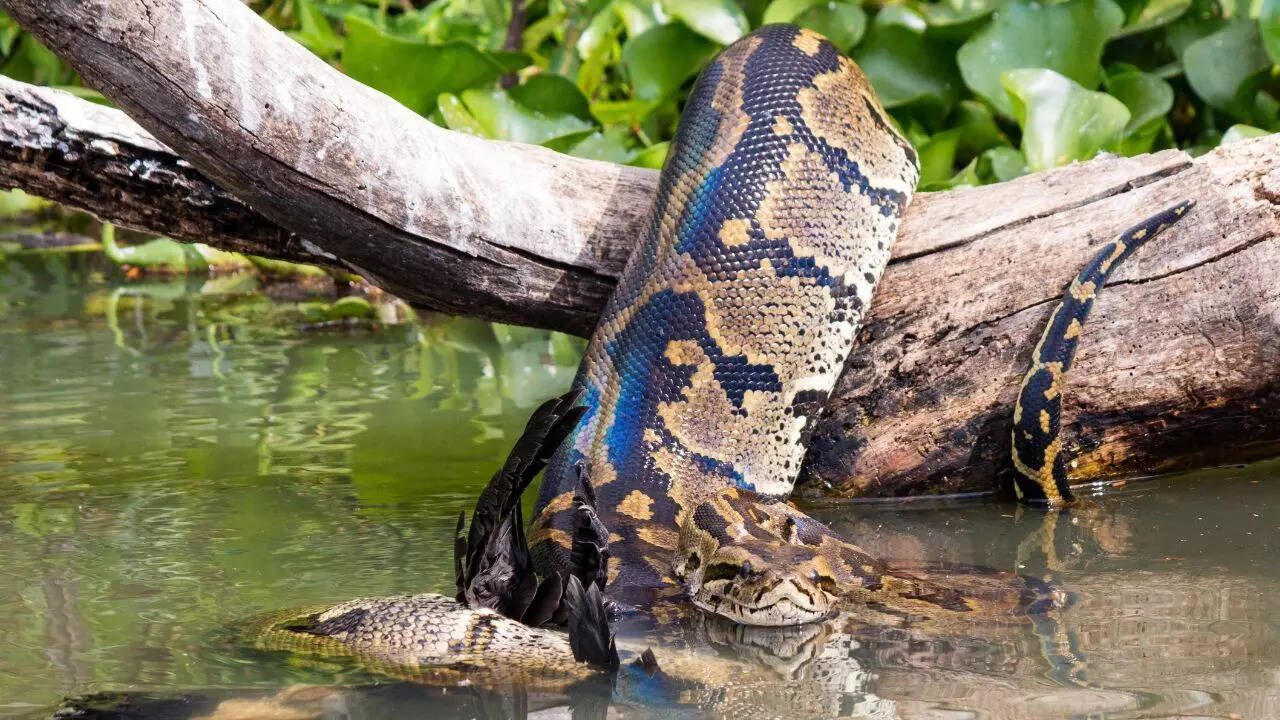
The Central African rock python (Python sebae) is among Africa’s largest snakes, with adults reaching 10 to 13 feet and weighing up to 121 pounds. These nonvenomous constrictors rely on their massive size and strength to subdue prey, including mammals, reptiles, and birds.
Though native to Sub-Saharan Africa, small populations have been reported in Florida, specifically in Miami-Dade County. Their presence raises ecological concerns, as they may threaten native species and disrupt local food chains, similar to other invasive pythons.
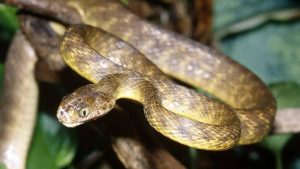
Brown Tree Snake
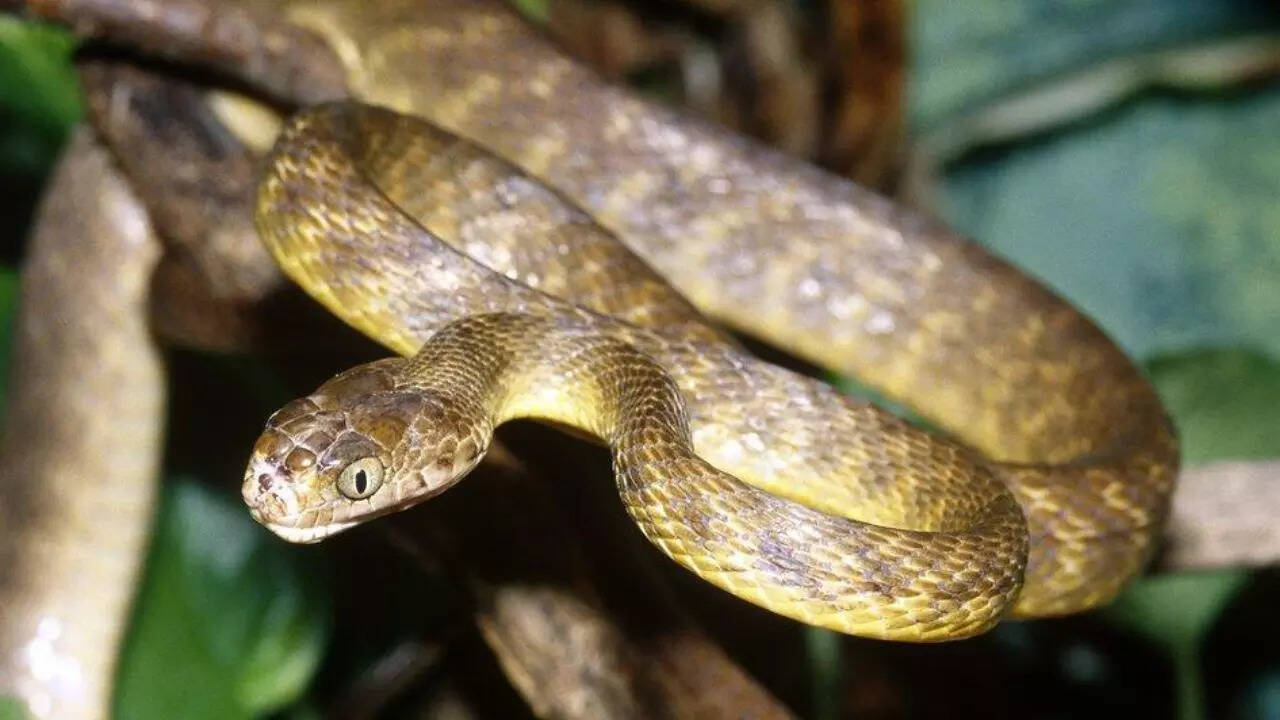
The brown tree snake (Boiga irregularis), or brown catsnake, is native to Indonesia, Papua New Guinea, and Australia. It became infamous in Guam after arriving on cargo ships in the 1950s. These snakes, measuring 3 to 6 feet long and weighing up to 5 pounds, lack natural predators in Guam, allowing their population to explode.
Brown tree snakes prey on birds, lizards, and small mammals and also pose economic challenges by crawling on power lines, causing electrical outages.
Though mildly venomous, they are generally not harmful to humans, except for small children who are more vulnerable to their neurotoxic venom.
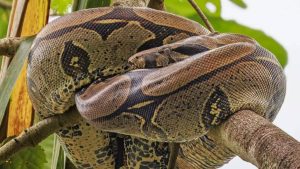
Boa Constrictors
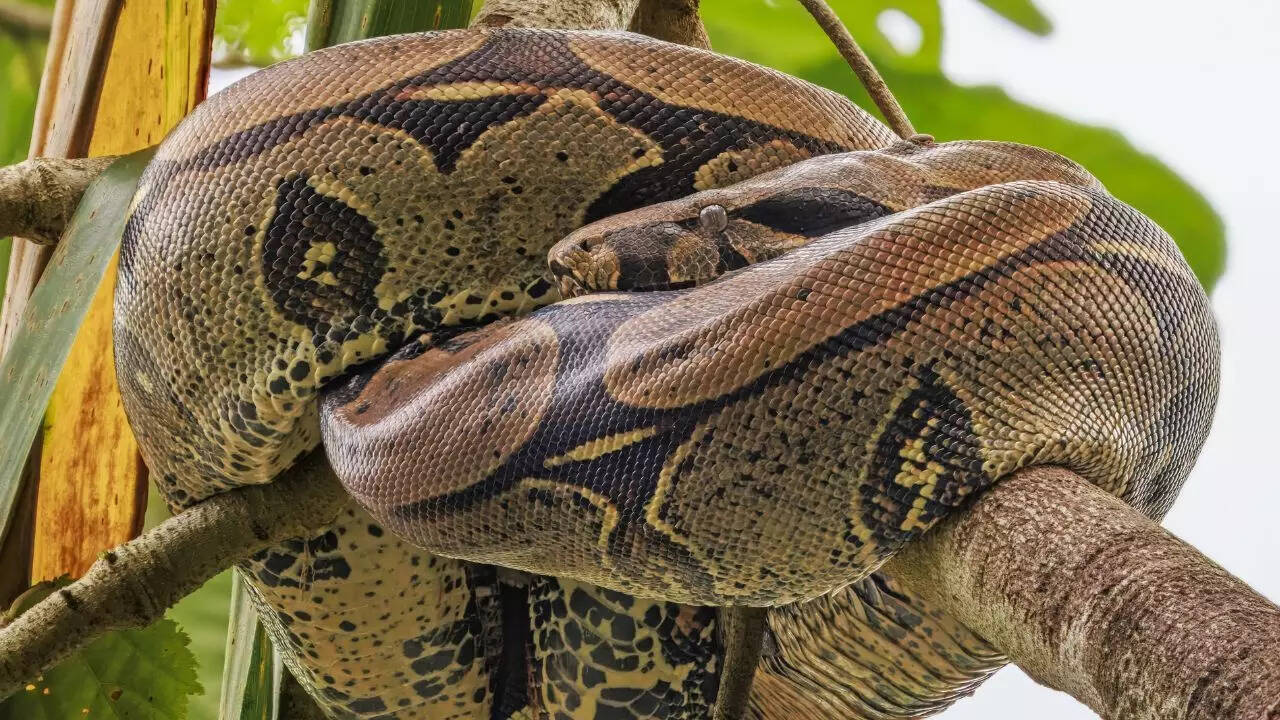
Boa constrictors (Boa constrictor) are large, nonvenomous snakes native to tropical South America and several Caribbean islands. First observed in Southern Florida in the 1970s, they now inhabit areas such as Miami-Dade County.
These snakes can grow 6 to 10 feet long, with some individuals reaching 14 feet and over 100 pounds.
They feed on a wide variety of animals, including rodents, lizards, wild pigs, deer, frogs, and even domestic pets like cats and dogs. As invasive species, boa constrictors compete with native predators and contribute to declines in local wildlife populations.
Reticulated Python
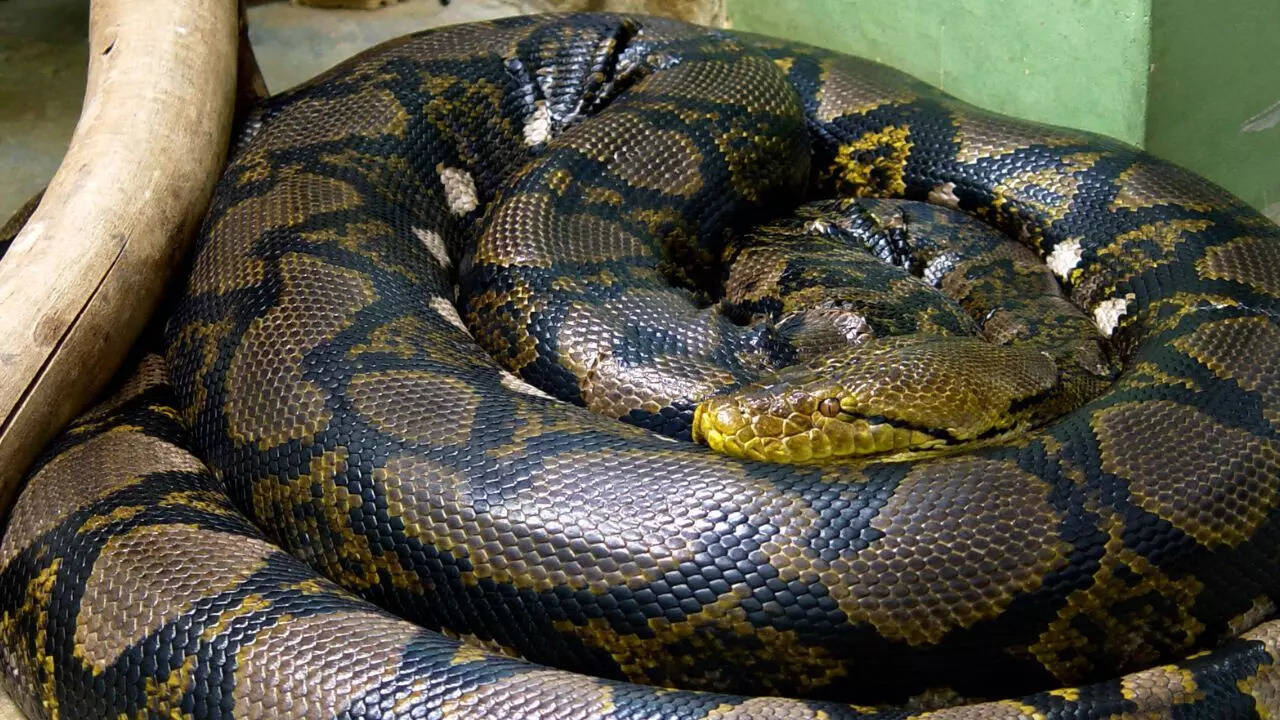
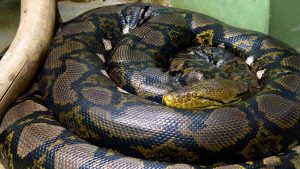
The reticulated python (Malayopython reticulatus) is native to South and Southeast Asia and is recognized as the longest snake species in the world. Females can measure 10 to 20 feet in length and weigh up to 165 pounds.
Occasionally spotted in Florida and Puerto Rico, reticulated pythons are classified as prohibited species. Although not yet established as a fully invasive population, these apex predators compete with local wildlife and prey heavily on native species when encountered, disrupting natural ecosystems.
Banded Water Snake
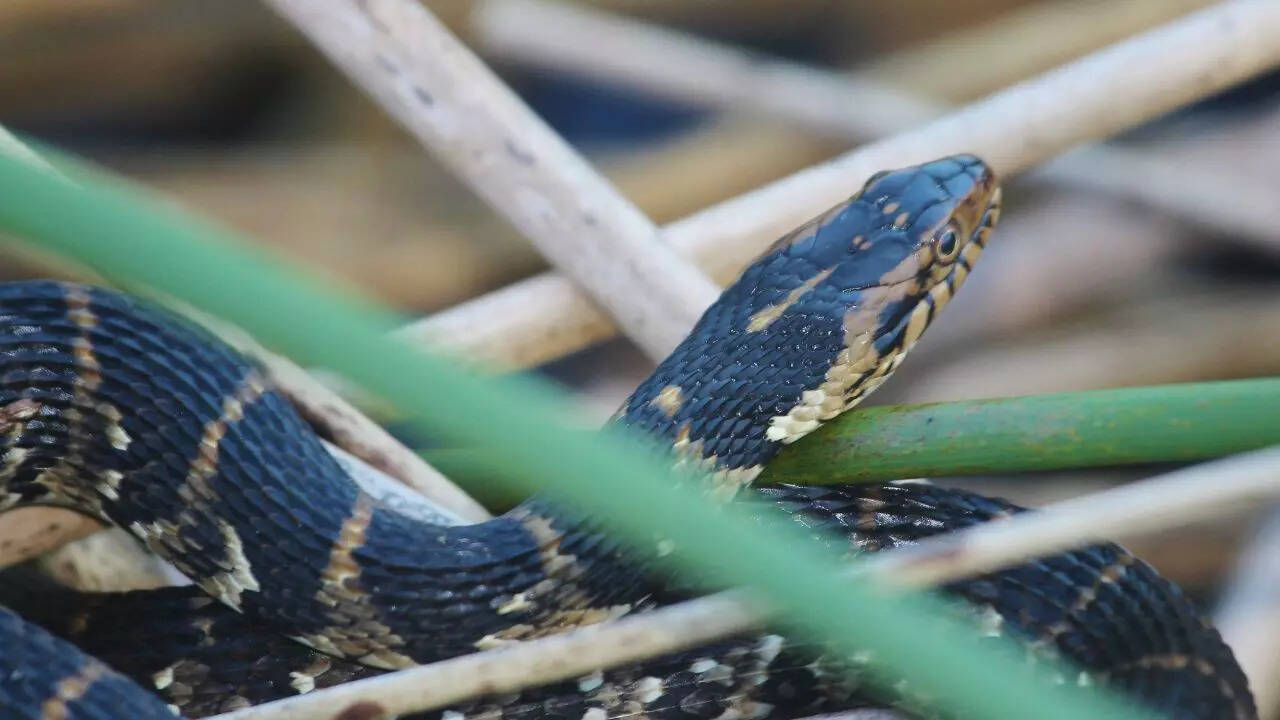
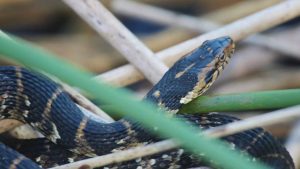
The banded water snake (Nerodia fasciata), or Southern water snake, is native to the Midwest and Southeastern United States.
Growing 22 to 42 inches and weighing less than a pound, they have begun appearing in California waterways, raising concern among biologists.
While harmless to humans, banded water snakes pose a threat to native amphibians and fish, feeding on frogs, other snakes, and salamanders. Their expansion into non-native regions highlights the subtle yet significant ecological risks posed by seemingly harmless snake species.
Green Anaconda
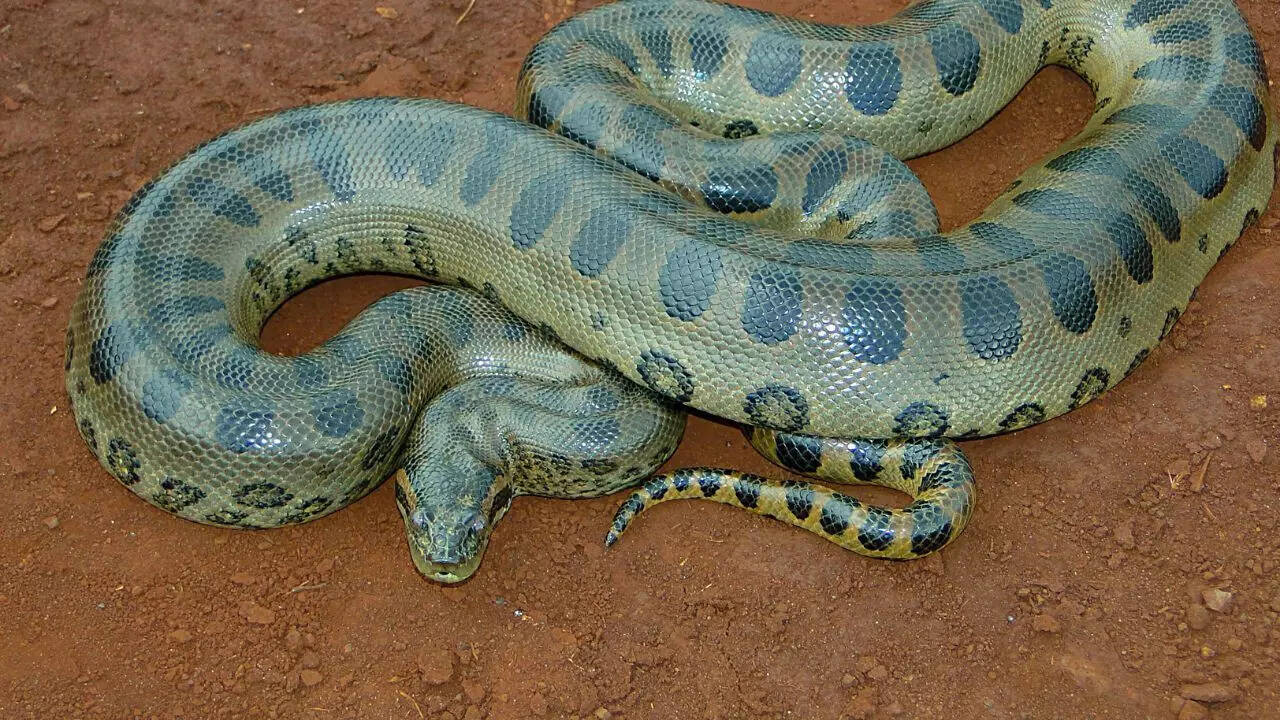
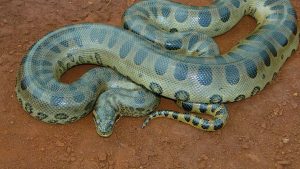
The green anaconda (Eunectes murinus) is the largest snake by girth in the world, with females reaching 15-18 feet long and weighing up to 550 pounds. Native to South America, these snakes inhabit swamps, marshes, and slow-moving rivers across the Amazon and Orinoco basins.
Green anacondas prey on deer, capybara, caimans, birds, turtles, and even jaguars. Though they have not established breeding populations in Florida, individuals have been recorded in Alachua and Miami-Dade counties.
Their potential introduction into US ecosystems could pose serious risks to local wildlife due to their enormous size and predatory behavior.
Environmental threat of invasive snakes
Invasive snakes represent a growing concern in the United States. By preying on native species, competing with local predators, and altering food webs, these snakes can dramatically reshape ecosystems. Monitoring, prevention, and responsible management of exotic pets are essential steps in mitigating the ecological and economic impact of invasive snakes.
Black mamba vs green mamba: Africa’s deadliest snakes compared – size, venom, habitat, behaviour, and who would win