
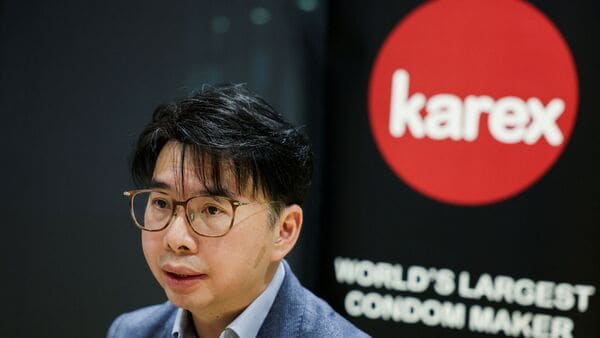
Karex Bhd, the world’s leading condom manufacturer based in Malaysia, intends to hike prices by 20% to 30%, with further increases possible if supply chain issues from the Iran war persist, its Chief Executive Officer stated on Tuesday.
The Malaysian company is currently experiencing a massive spike in demand as soaring freight expenses and delivery lags leave many buyers with depleted inventories, CEO Goh Miah Kiat told Reuters.
“The situation is definitely very fragile, prices are expensive… We have no choice but to transfer the costs right now to the customers,” Goh said.
Karex generates more than 5 billion condoms each year, acting as a key supplier for major brands such as Durex and Trojan. It also supports national health networks such as the UK’s NHS and various United Nations-led humanitarian initiatives.
It owns UK-based Pasante Healthcare Ltd, which supplies condoms to the National Health Service and provides private-label products to retailers including Tesco Plc and Boots.
Iran war chokes energy and petrochemical exports
The manufacturer is part of an expanding group of firms, alongside medical glove producers, preparing for logistics bottlenecks. The Iran war is currently choking energy and petrochemical exports from the Middle East, which has severely hampered the sourcing of essential raw materials.
Since hostilities broke out in late February, Karex has faced rising costs for materials ranging from synthetic rubber and nitrile to essential packaging and lubricants like silicone oil and aluminium foil, according to Goh.
Since the start of the war, the cost of silicone oil has jumped about 30% and nitrile latex prices have doubled, while natural rubber prices have climbed by a third since January.
Goh noted that while Karex maintains sufficient supplies for the coming months, it is working to ramp up production.
Global condom reserves have plummeted recently following significant reductions in foreign aid funding, specifically from the US Agency for International Development last year.
Overall, condom demand has surged roughly 30% this year. These increased requirements, combined with shipping interruptions, have significantly worsened global product shortages, the CEO added.
“We’re seeing a lot more condoms actually sitting on vessels that have not arrived at their destination but are highly required,” Goh said, adding that a lot of developing countries do not have enough stock because it takes time for the products to reach them.
Karex’s exports to major markets like Europe and the United States are currently facing severe delays, with transit times doubling from one month to nearly two months.
Karex shares traded in Kuala Lumpur surged 14% on Wednesday, the biggest intraday advance since October 2025, before paring gains.
The pullback of USAID donor support for health agencies to buy condoms has meant organisations are turning to the commercial market, creating more buyers. For now, higher prices aren’t expected to dent demand because the market for condoms is virtually inflation-proof, Goh told Bloomberg.
“In bad times, the need to use condoms is even more because you’re uncertain with your future, whether you’d still have a job next year,” Goh told Bloomberg. “If you have a baby right now, you’ll have one more mouth to feed.”


