
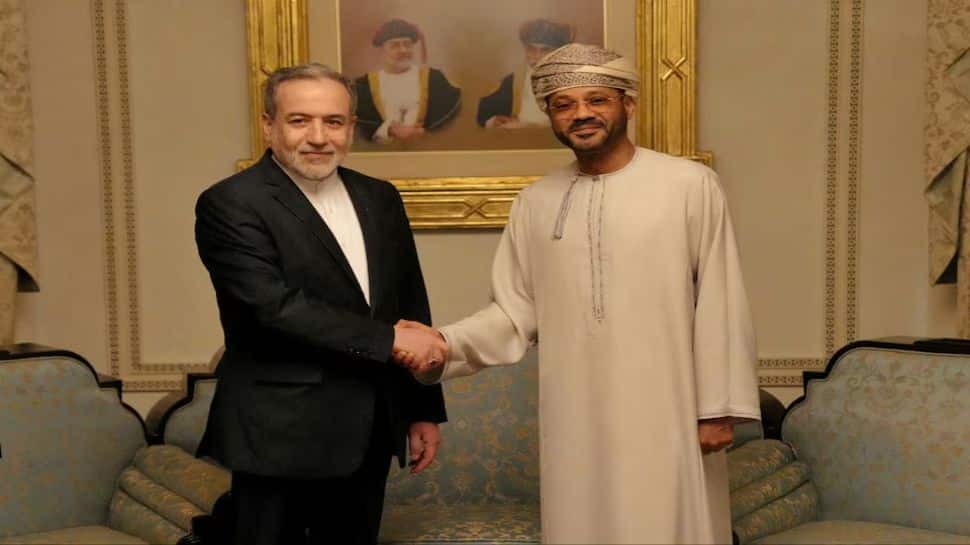
New Delhi: Early Saturday, the Middle East awoke to sirens and explosions as Iran retaliated against Israeli strikes, sending missiles across the Gulf. Cities from Dubai to Doha bore the brunt of Tehran’s attacks. But Oman was untouched, holding its ground.
Analysts say Oman’s unique status comes from its long history of neutral diplomacy, close ties with Iran and location near important shipping routes.
A relationship forged in history
Oman’s connection with Iran goes back over 50 years. During the Dhofar rebellion in the 1970s, Iran deployed thousands of troops to help Sultan Qaboos bin Said suppress Marxist insurgents in Oman. That cooperation created an enduring security bond between Muscat and Tehran, one that survived the seismic 1979 Iranian Revolution.
Even as revolutionary Iran became a source of concern for other Gulf monarchies, Oman maintained its relationship. Over decades, the two countries built trust at institutional and leadership levels. Today, that relationship is deep-rooted. It played an important role in the ongoing regional tensions.
Oman’s neutral diplomatic position
Oman has long earned the nickname “Switzerland of the Middle East”. As a Gulf Cooperation Council (GCC) member, it has pursued a non-interventionist foreign policy, refusing to fully align with Saudi Arabia or other anti-Iran blocs. Muscat has consistently maintained open channels with Iran and the West, a balancing act that allows it to handle conflicts while avoiding attacks.
Oman’s mediation skills are well known. It hosted back-channel talks that contributed to the 2015 Iran nuclear deal and continues to act as a diplomatic bridge between Tehran and Washington, even as missiles fly elsewhere in the Gulf.
A costly target
Attacking Oman would be a risky move for Iran. Muscat is one of the few Gulf states that maintains open communication with Tehran, even during conflicts.
Geography also matters: both countries share oversight of the Strait of Hormuz, the world’s most critical oil chokepoint. Stability in these waters is vital for tanker traffic and international trade.
Economic ties further strengthen the relationship. Projects like the proposed Iran-Oman gas pipeline could turn Oman into a hub for Iranian energy exports, giving Tehran a lifeline to global markets amid sanctions. Tourism, trade and shipping links add to the stakes, making Oman far more valuable alive than targeted in conflict.
Iran’s broader Gulf conflicts
Iran’s disputes with other Gulf states have often been indirect (proxy wars, cyberattacks, maritime skirmishes or political pressure), but Oman has consistently stayed neutral.
Neighbouring countries host large US military bases, support Iran’s regional rivals or participate in conflicts like Yemen and Syria. Oman’s careful diplomacy and neutrality have kept it off the target list.
A policy of peace
Trust is central to Oman’s strategy. Its balanced and peace-oriented foreign policy has earned respect from Iranian leaders. Sultan Qaboos bin Said once summed it up at the 2002 Council of Oman Annual Session, “Our foreign policy is well-known to all; we always take sides with rightness, justice, friendship and peace and call for peaceful coexistence among nations.”
That clarity has served Oman well. Even during escalating strikes and regional turmoil, Muscat is a calm outlier, proving that neutrality and diplomacy can provide protection even in the most volatile of conflicts.


