
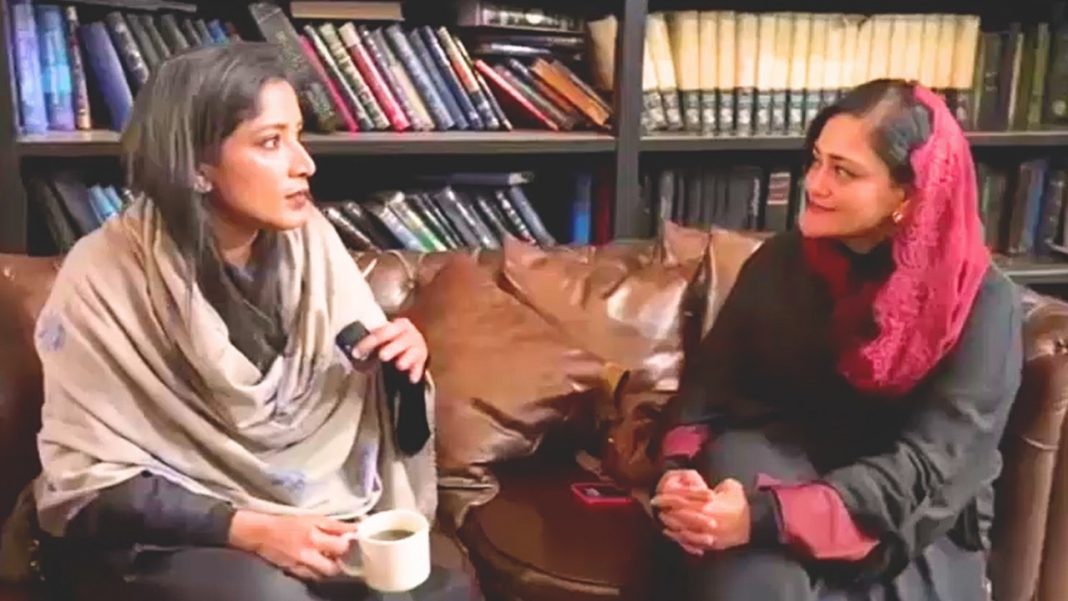
Think cappuccino and chocolate chip cookies in chic, book-lined cafs. A bustling night market pulsating with colour and confectionery. Young revellers spilling onto lively streets.
It is an image that sits in stark contrast to the notion of a sanctioned state.
Only, this is the reality in Iran – witnessed on the streets of its capital, Tehran.
The India Today team was in the country to interview Foreign Minister Abbas Araghchi, who spoke of Iran’s readiness for both war and peace amid rising global fears of a possible US strike.
On the sidelines of the interview, the India Today team, comprising Group Vice-Chairperson and Executive Editor-In-Chief Kalli Purie and Group Foreign Affairs Editor Geeta Mohan, stepped into a Tehran market to glimpse everyday life beyond the geopolitical headlines.
The bazaar was buzzing with Ramzan shoppers. Eateries hummed. Shops overflowed with sweets. A shopkeeper said, “After six o’clock, it gets busy here, everyone wants tea and sweets.” When asked whether the sweets, which resembled jalebis, had an Indian connection or were of Afghan origin, she added, “In Afghanistan they call it jalebi, but in Iran we call it Zoolbia Bamieh.”
“If you see how beautiful every little nook and corner of the streets in Tehran is, it’s because of the emphasis on books and culture. Many people think it is a sanctioned country, so we would not get what we are getting here,” Mohan said, reflecting on her walk through the market.
Later, as she and Kalli Purie sipped freshly brewed cappuccino at a cafe tucked inside the bazaar, Purie pointed out the irony of it all – American staples served in a country long under crippling US sanctions.
“Who would think we would get this in Tehran? This could be anywhere in Europe, the way the coffee shop is done, the people around, the books at the back, the atmosphere, the lights,” Purie said, summing up a visit that revealed a side of Iran far removed from the image many hold of the country.


