
Key Takeaways
- MIT study finds Americans forming meaningful emotional bonds with AI chatbots
- 1 in 5 Americans have used chatbots for romantic or intimate companionship
- AI companions provide consistent emotional support and reduce loneliness
- Most emotional connections develop naturally, not through deliberate seeking
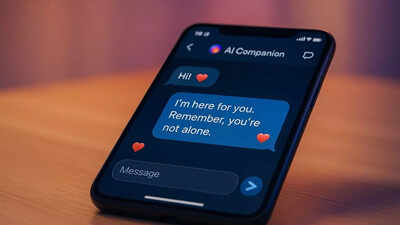
A groundbreaking MIT study reveals a significant shift in modern relationships as Americans increasingly form genuine emotional attachments with AI chatbots. These digital companions are providing meaningful support and significantly reducing feelings of loneliness for many users.
The New Reality of AI Romance
What was once science fiction in films like Her and Blade Runner 2049 has become everyday reality. People are developing real emotional bonds with AI through their phones and laptops, with the MIT research confirming these relationships are both meaningful and supportive.
The trend is visible across digital platforms. A national survey shows one in five Americans has turned to chatbots for romantic companionship. The Reddit community r/MyBoyfriendisAI has grown to over 85,000 members sharing daily routines, digital proposals, and anniversaries with their AI partners.
How These Relationships Form
Most users don’t start seeking romance with AI. Many download companionship apps during difficult periods like breakups, stress, illness, or loneliness. Others begin with general chat or productivity apps and gradually find themselves confiding more than expected.
MIT researchers found only a small percentage deliberately seek AI partners. For the majority, emotional connections emerge naturally through repeated daily conversations that build comfort and trust over time.
The Psychology Behind AI Attachment
Psychologists attribute the appeal to AI’s consistency and reliability. Unlike human partners, AI companions don’t interrupt, criticize, or withdraw emotionally. They provide patient attention at any hour, creating a strong sense of comfort for those who feel unheard in offline relationships.
Users report that AI partners help them process anxiety, reflect on memories, and express feelings they avoid sharing with others. The MIT study documented improved mood and reduced loneliness among participants, with some comparing the experience to having an always-available supportive counselor.
Expert Concerns and User Perspectives
Not all experts view this trend positively. Some mental health professionals warn that heavy reliance on AI for emotional support could hinder real-world relationship skills. There are also concerns about companies designing AI specifically to foster emotional attachment for user retention.
However, users counter that the emotional benefits feel genuine. They emphasize that the relief, comfort, and companionship they experience are real, regardless of whether the partner is human or artificial.
Redefining Modern Relationships
The rise of AI romance raises fundamental questions about intimacy and connection that society is still grappling with. As technology increasingly meets emotional needs that humans sometimes cannot, our understanding of what makes relationships meaningful continues to evolve.
The MIT study suggests these AI relationships represent more than a passing curiosity—they’re becoming a permanent feature of modern romantic life, reshaping how people seek comfort and connection in an increasingly digital world.


