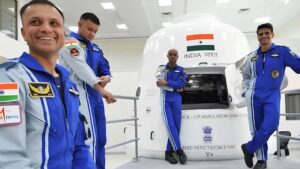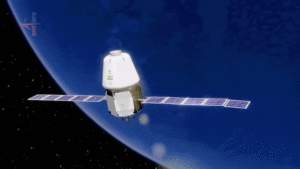
India’s human spaceflight ambitions are entering a new phase as the Indian Space Research Organisation (Isro) begins preparations to select a second batch of astronauts for its flagship human spaceflight program, the Gaganyaan mission.
The move signals a shift from a one-time crew selection to building a sustained human spaceflight programme.
The latest development is also unique, given the Indian space agency is looking to open the astronaut corps to civilians with backgrounds in Science, Technology, Engineering and Mathematics (Stem).
India has an ambitious plan to launch astronauts into space, build a space station and land astronauts on the Moon by 2040. All this will require a sustained pool of astronauts to select from, with sufficient numbers for backup crews in case of any medical, technical, or physical contingencies.
HOW DOES ISRO SELECT GAGANYAAN ASTRONAUTS?
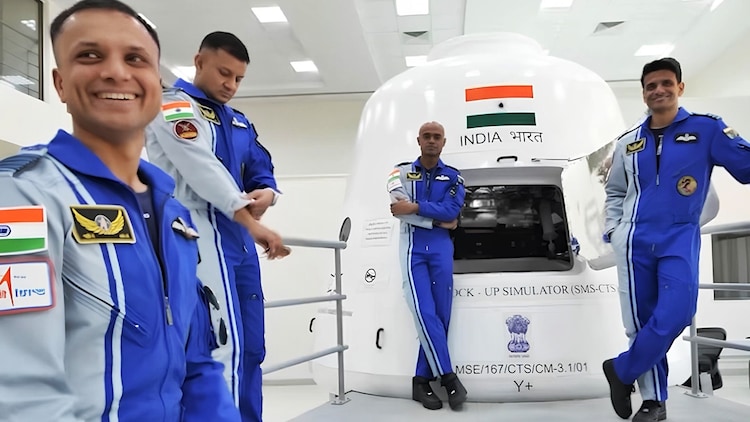
The first batch of astronauts, selected in 2020, followed an extremely stringent selection process.
Candidates were drawn exclusively from among Indian Air Force (IAF) test pilots, each with 800 to 1,000 hours of jet flying experience.
This requirement significantly narrowed the pool, ensuring that only those with high-performance aviation expertise could apply, since India is pushing for the orbit with humans for the first time.
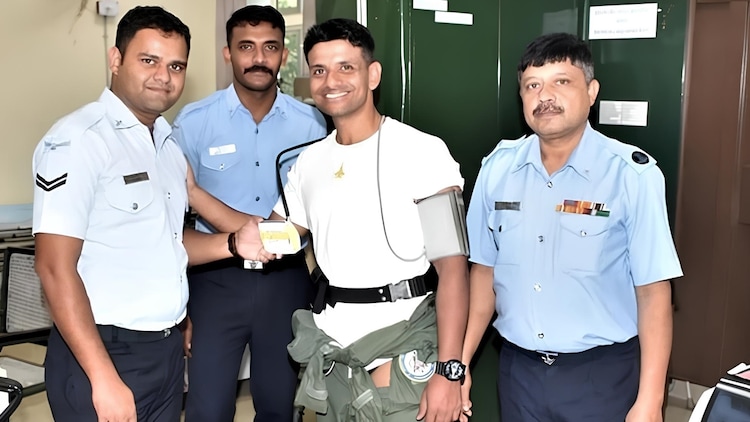
Once shortlisted, candidates underwent multiple rounds of medical evaluation at the Institute of Aerospace Medicine, which assessed their physical fitness under extreme conditions. This was followed by two stages of psychological testing to evaluate mental resilience, decision-making under stress and the ability to function in isolation.
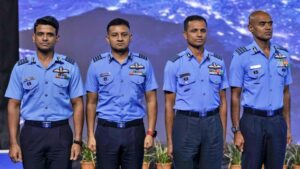
The final four selected astronauts were then sent to Russia for advanced training, where they underwent further testing and mission preparation under the Russian space agency, Roscosmos. These included survival training, zero-gravity simulations and spacecraft systems familiarisation.
Now, nearly seven years after the initial process began, Isro is expanding its approach. According to officials, the second batch is expected to include a mix of military personnel and civilians, a significant departure from the earlier test-pilot-only model.
The proposed pool could consist of around 10 astronauts, including six mission pilots from military aviation backgrounds and four specialists from science, technology, engineering and mathematics (Stem) fields. The idea is to create a broader talent base to support long-term missions and future space station plans.
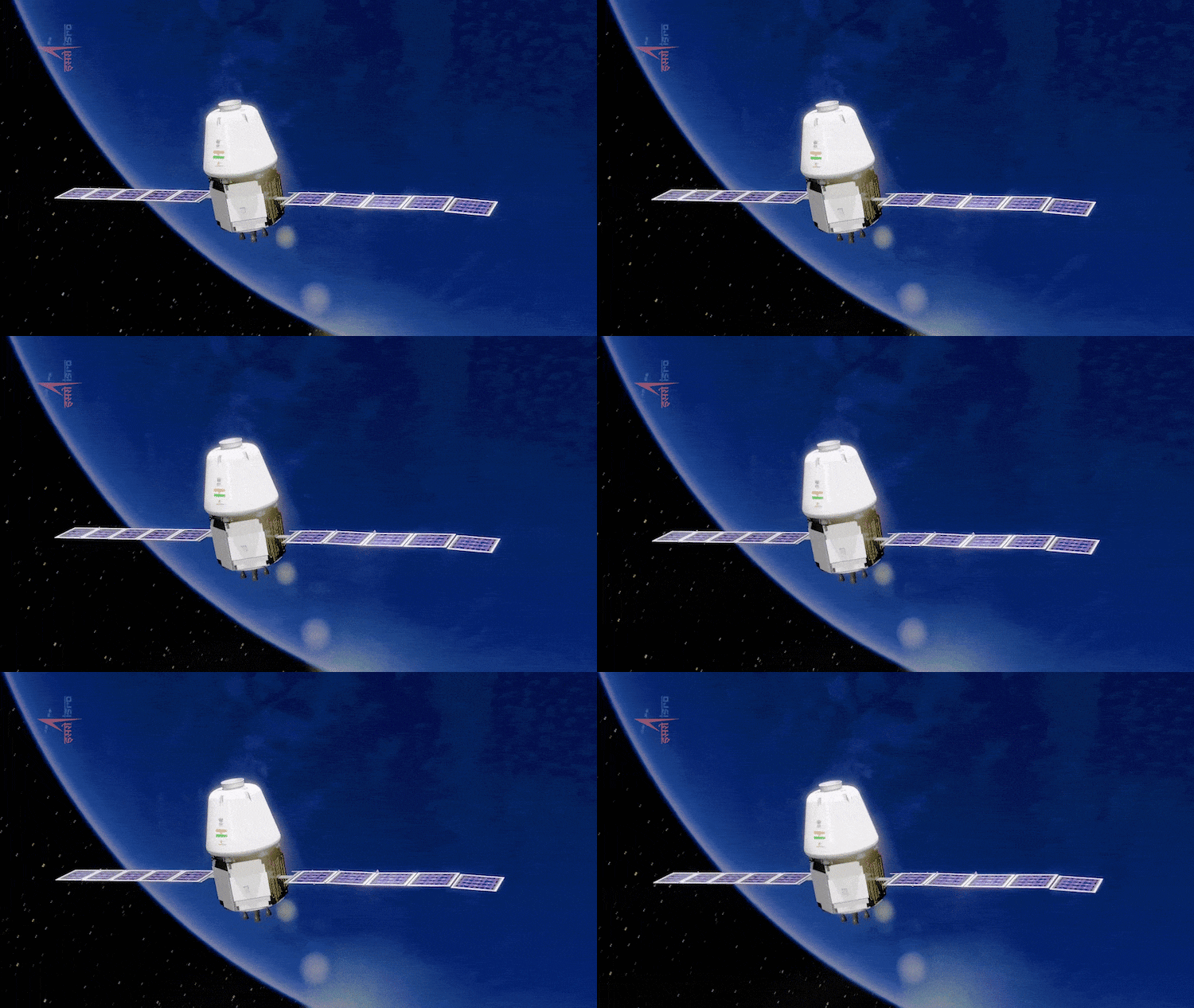
Isro is yet to clarify if the pilots from military aviation background will only be IAF test pilots or if it will be opened for officers in helicopter and transport streams of military aviation as well.
A NEW TEAM TO SELECT FUTURE ASTRONAUTS
A dedicated committee on astronaut selection and management, comprising Isro officials and members of the current astronaut corps, is currently working on the modalities of the new process.
This includes defining eligibility criteria, designing training modules and establishing evaluation frameworks.
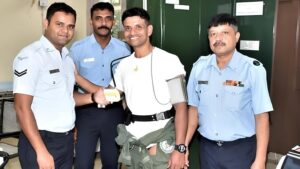
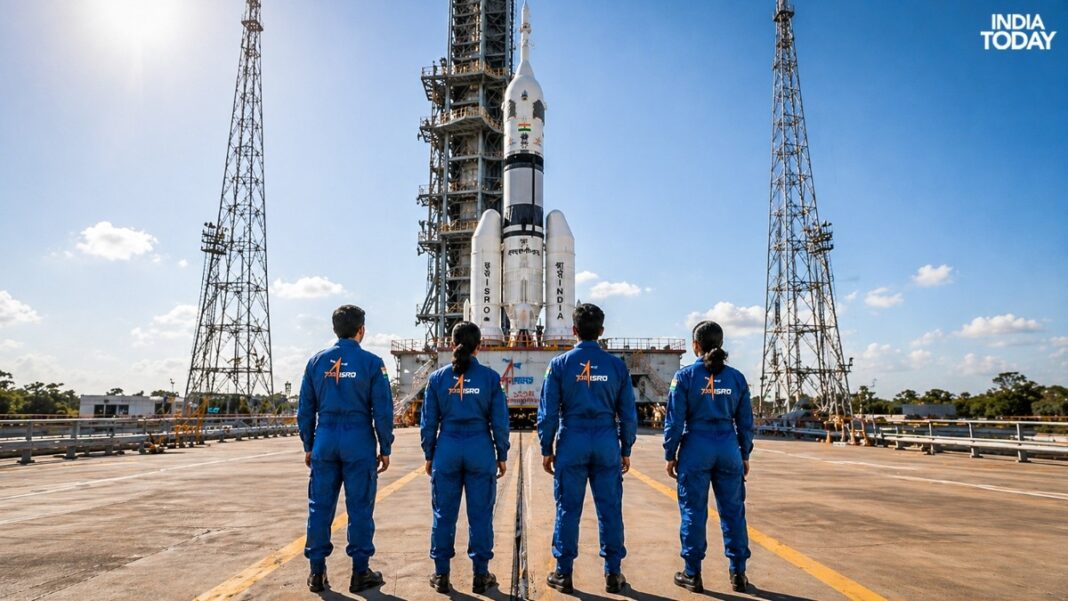
The current batch of astronauts, including Air Commodore P Balakrishnan Nair and Group Captain Shubhanshu Shukla, Angad Pratap, and Ajit Krishnan, have been given different responsibilities like setting up the infrastructure, preparing a training module, refining procedures for the second batch, while they prepare for their own maiden mission, which at the moment is delayed.
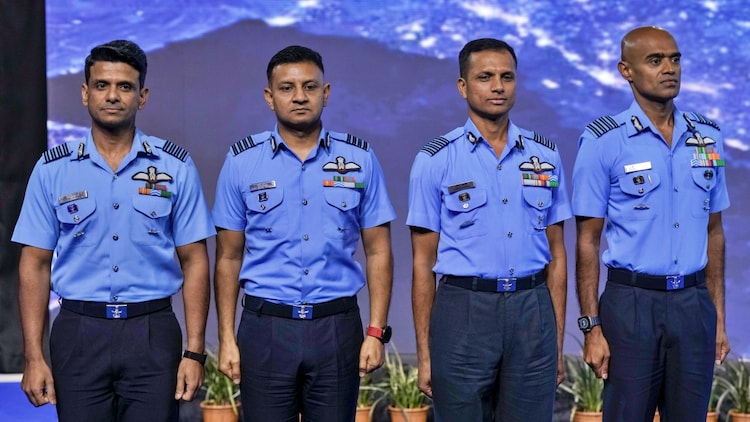
Here is an exclusive story on why India’s Gaganyaan Mission is facing critical delays. Read Here.
ISRO DESIGNING ITS OWN ASTRONAUT SELECTION CRITERIA
One of the key challenges is adapting international models to Indian realities. Space agencies like Nasa and the European Space Agency often require applicants to hold pilot licences, even for civilian roles.
Senior Isro officials who spoke to IndiaToday.in, on conditions of anonymity, acknowledge that obtaining such licences in India can be prohibitively expensive, potentially limiting access for talented candidates.
As a result, the agency is exploring alternative pathways to ensure inclusivity without compromising on quality. “We need to strike a balance between maintaining global standards and making the process accessible, and we are deliberating on how to ensure that the civilians get some sort of flying training,” an official said on condition of anonymity.
Despite these changes, some aspects will remain non-negotiable. Medical and psychological evaluations will continue to be as rigorous as before, regardless of whether candidates come from military or civilian backgrounds.
Officials stress that human spaceflight demands exceptional physical fitness and mental endurance.
INFRASTRUCTURE DEVELOPMENT NEEDS TO RAMP UP
Isro will also need to work out finances, for instance, the pay grade for the astronauts, set up living quarters, training grounds, and protocols that need to be followed, especially if civilians are inducted. All of it has to be fully in place before inducting the new batch.
The infrastructure for the current batch of astronaut trainees is still under development, which means the selection process of the next batch may take time to formally begin.
Officials are hopeful that once the maiden uncrewed mission takes off, the process will gain steam and there will be more applicants.
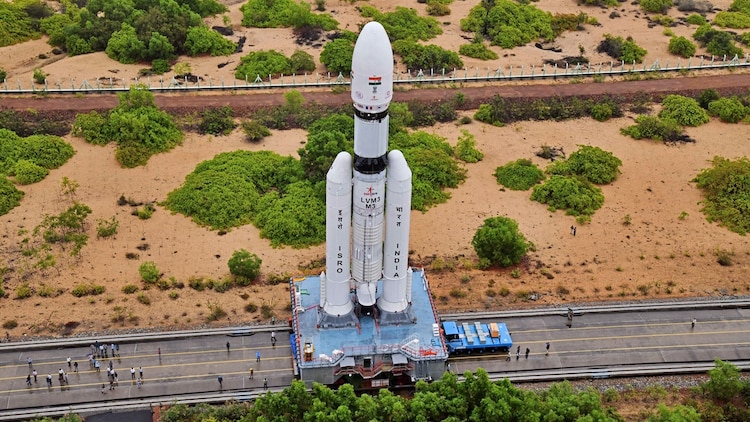
Isro, however, is yet to announce a formal date for the maiden uncrewed launch of the Gaganyaan Mission. Here’s the latest update on the test flight.
As India prepares for its first human spaceflight, the next phase of astronaut selection reflects a broader ambition, not just to reach space, but to build a lasting human presence beyond Earth.