
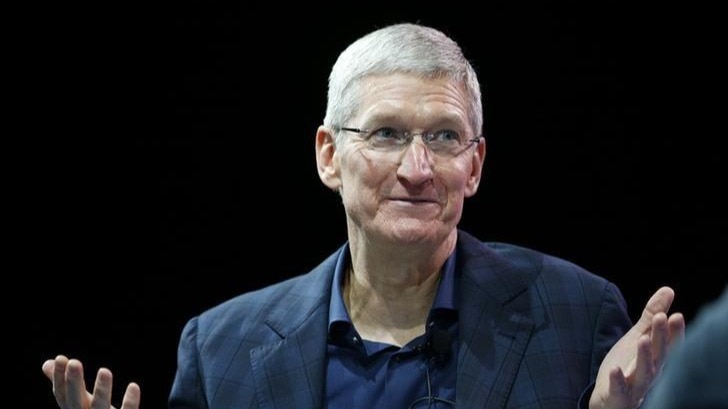
In a major leadership change at Apple, CEO Tim Cook will step down from his role in September, bringing an end to his long run at the top of the company. The development comes at a time when Apple is dealing with pressure around supply chains, global politics, and rising demand linked to AI. While a CEO exit of this scale usually raises questions about continuity, Apple has already made its plan clear. Cook will not be leaving the company completely and will instead move into a new position as executive chairman. This ensures that even after stepping down as CEO, he will continue to remain involved in key decisions and areas where his experience has played an important role over the years.
Cook to continue working with Apple, here is what he will do
Apple has confirmed that Cook will continue to be involved in one of the most critical areas for the company — its global policy engagement. In his new role, he will assist with certain responsibilities, including working with policymakers across different countries. This answers a key question around who would handle Apple’s ties with governments after his exit as CEO.
Cook’s role in dealing with governments has been a major part of his leadership, especially in regions like the United States and China. Over the past year, his actions have also drawn attention. His interactions with the administration of Donald Trump have been widely discussed, including a visit to the White House where he presented a glass plaque mounted on a gold base. He also attended a screening linked to Melania Trump, which led to debate about his political position. Responding to such questions in an interview, Cook said he is “not a political person on either side.”
Who hired Tim Cook? He was initially not interested in joining Apple
Tim Cook’s entry into Apple almost didn’t happen. Back in 1998, he was comfortably placed at Compaq, one of the biggest PC makers at the time, and had little reason to take a risk on a struggling Apple. In fact, when recruiters first approached him, he turned them down more than once.
What changed things was his decision to meet Steve Jobs, not because he wanted the job, but simply out of curiosity. That one meeting flipped everything. Jobs spoke about a future built around consumer products, going against what most tech companies were doing then. Within minutes, Cook found himself rethinking everything. Despite warnings from people around him that leaving Compaq would be a mistake, he chose to trust his instinct. That leap of faith not only defined his own career, but also became a key moment in Apple’s turnaround story.
Over the years, Cook became one of the most important figures at Apple. He first worked on improving the company’s supply chain and operations, helping fix key issues at a difficult time. After becoming CEO, he led Apple through a period of strong growth.
During his tenure, Apple’s market value grew more than twenty times, reaching from $350 billion to around $4 trillion. The company also expanded its product lineup and strengthened its position globally. Cook’s leadership focused on consistency and execution, helping Apple grow steadily over the years.
Apple’s next CEO, John Ternus to face tough challenges
With Cook moving into his new role, attention now turns to John Ternus, who is set to take over as Apple CEO. Ternus currently leads Apple’s hardware division and has spent more than two decades at the company. He has worked on key products including the iPhone, iPad, Mac, Apple Watch, AirPods and Vision Pro.
He will take charge at a time when Apple is dealing with multiple challenges, including supply chain issues, geopolitical pressure, tariffs, and rising demand linked to AI technologies. The company is yet to woo people when it comes to offering a flawless experience in AI, with many still hoping Apple will make a strong comeback in this space that would shake up the tech industry. So, managing these alongside keeping Apple’s product momentum intact will be important and a big challenge for Ternus in the coming years.


