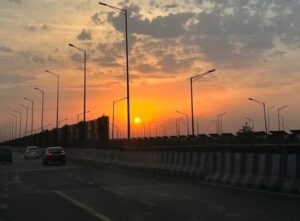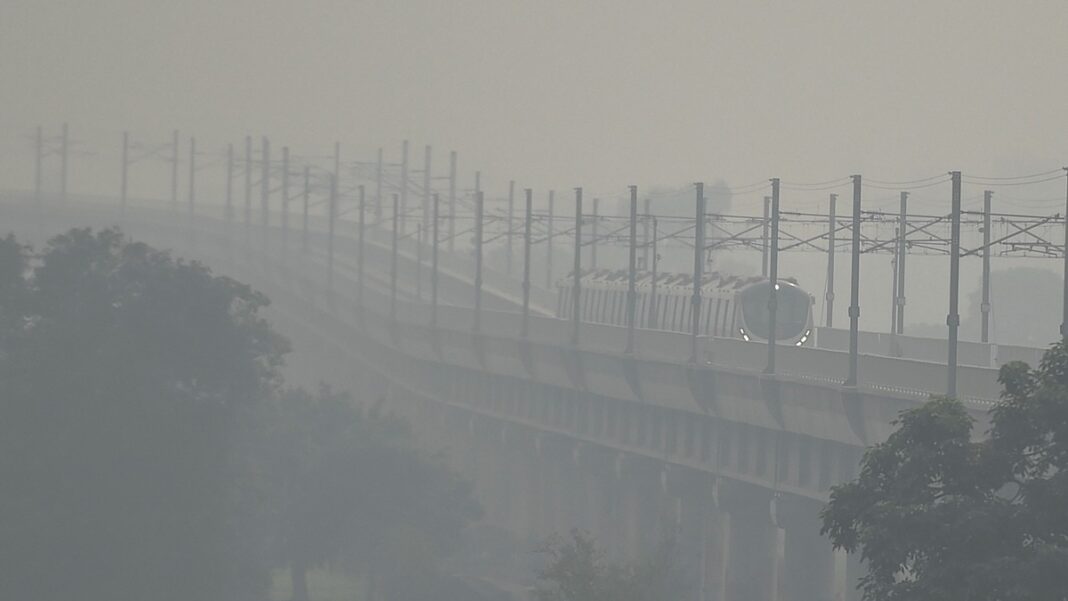
Delhi woke up to an uncommon April morning on Friday, April 17, with visibility limited, and the city covered in haze.
The hazy morning followed the recent calm days and forecasts of hot days ahead, and made the city’s air feel heavy.
The Air Quality Index (AQI) hovered in the “Poor” category, crossing 200 at several monitoring stations, according to official data from the Central Pollution Control Board (CPCB) and the Air Quality Early Warning System.
WHY IS DELHI POLLUTED IN APRIL?
The main culprits behind the morning’s pollution build-up are a mix of local emissions and tricky weather patterns.
Delhi’s usual suspects, including vehicular emissions, road and construction dust, and industrial pollution, kept pumping fine particles (PM2.5 and PM10) into the air. But what trapped them close to the ground was the calm meteorological conditions.
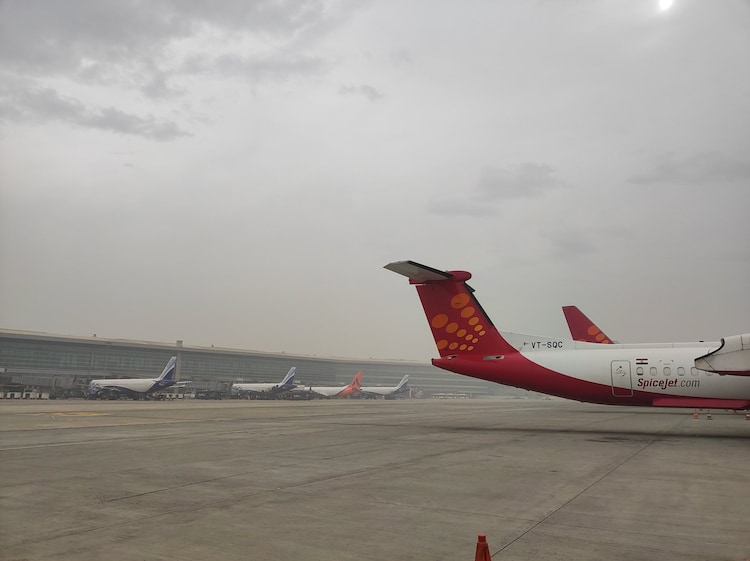
Official forecasts from the India Meteorological Department (IMD) show light winds in the early hours, often dropping below 10 kmph from the northwest or northeast directions. This slow airflow acts like a lid, stopping pollutants from dispersing upward.
Temperatures stayed mild in the morning, with minimums around 20C-22C, while daytime highs are expected to climb to 40C-42C. Low wind speeds combined with these warming trends create stable atmospheric layers that hold smog in place, especially in the landlocked capital where pollutants have nowhere easy to escape.
The episode aligns with the shifting weather. Since the beginning of April, Delhi has seen regular spells of rain and wind and cloudy skies due to western disturbances. Those weather systems are now gone, leaving behind dry conditions and clear skies, providing the perfect conditions for trapping pollutants.
With AQI in the “Poor” range, sensitive groups like children, elderly people, and those with asthma or heart issues may notice coughing, eye irritation, or breathing discomfort during outdoor activities.
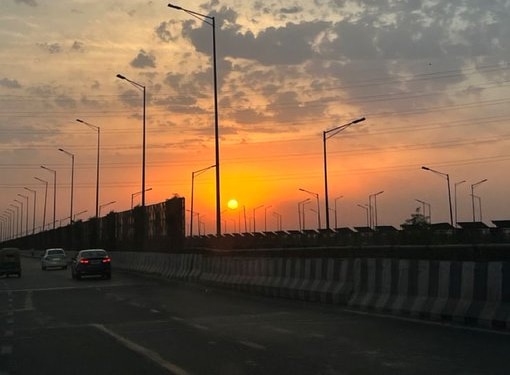
WHAT ARE GRAP 1 RESTRICTIONS?
This spike has prompted authorities to enforce GRAP Stage 1 measures to prevent further worsening over the next couple of days.
The measures would mean more road sweeping and water sprinkling to reduce dust, ensuring dust from construction sites is limited, a complete ban on open burning of waste, and regular checks on vehicle emissions.
Furthermore, regular checks of vehicles will take place at random to see if they are compliant with the vehicular emission standards.
WHAT’S AHEAD?
The silver lining is the forecast of winds expected to pick up slightly later in the day, which could help clear some pollution.
By April 19, forecasts suggest a shift toward “Moderate” AQI levels if winds cooperate and measures are followed strictly.
This recent pollution episode is an appropriate reminder that Delhi’s air pollution problem is not just confined to the winters, but can rear its head at any time, even in April.
Keep an eye out for official updates from the CPCB and the latest AQI readings as hours pass.