Baby birds are tougher than they look, but climate change may be pushing them past their limits.
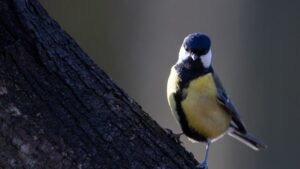
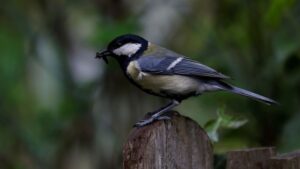
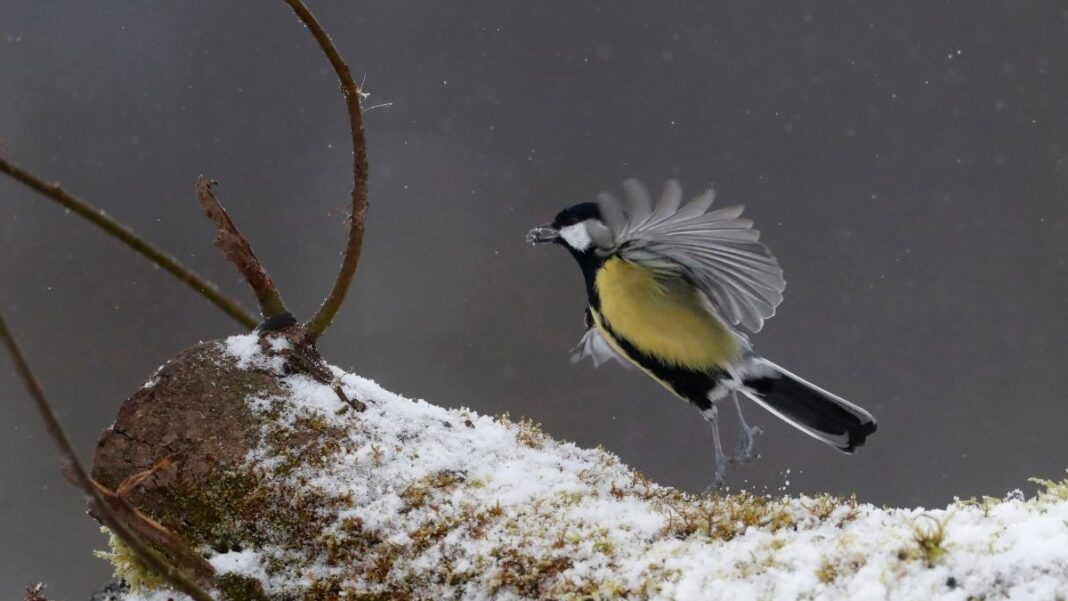
A new study from the University of Oxford has found that extreme cold and heavy rain can stunt growth in great tit chicks, which are small, woodland birds recognisable by their yellow breasts and black stripes, and reduce their chances of surviving into adulthood.
The good news? Breeding early in the season offers some protection.
HOW DID SCIENTISTS STUDY BABY BIRD SURVIVAL?
The research, published in the journal Global Change Biology, draws on an extraordinary dataset: 60 years of records covering more than 83,000 individual great tits living in Oxford’s Wytham Woods, paired with daily historical weather records going back to 1965.

Researchers identified the coldest, wettest and hottest days of each breeding season and tracked how these extremes affected body weight at fledging, the moment a chick leaves the nest. Heavier fledglings survive better. That part is well established.
Heavier fledging simply means the chick weighs more than normal at that moment. In this study, the researchers weighed each chick at 15 days old, which is when their weight typically plateaus before they fly the nest.
WHAT DOES EXTREME WEATHER DO TO BABY BIRDS?
The findings are striking. A cold snap during a chick’s first week of life, before it can even regulate its own body temperature, is particularly damaging.
Newborns divert energy toward staying warm instead of growing. Six consecutive extremely cold days could push fledging weight down by nearly three standard deviations.
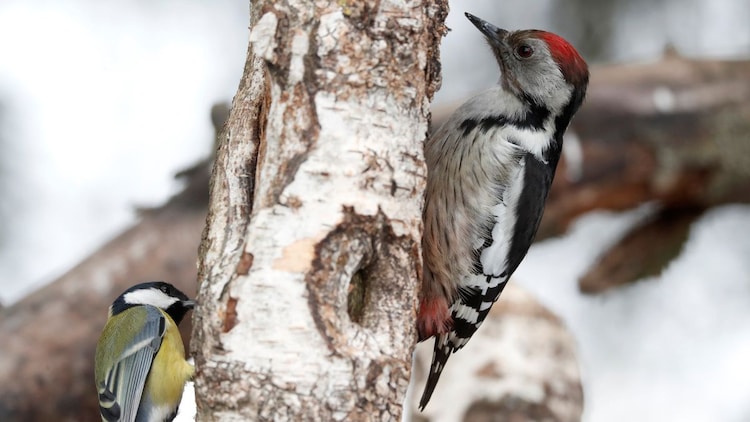
Heavy rain becomes more harmful as chicks grow older, partly because it knocks caterpillars off trees, cutting food supply at a time when nestlings need to eat almost constantly.
When heat and rain hit together during early development, fledging weight can fall by up to 27 per cent.
DOES HEAT ACTUALLY HELP BABY BIRDS GROW?
Surprisingly, moderate warm spells in Oxfordshire appear to benefit chicks rather than harm them.
Nestlings exposed to seven consecutive hot days were predicted to weigh around 4.5 per cent more than those with no heat exposure at all.
Warmer conditions boost insect activity, making caterpillars easier for parents to find, and chicks burn less energy on staying warm.

This is the opposite of what happens in hotter regions like the Mediterranean, where summer temperatures regularly cross 35 degrees Celsius and can become life-threatening for nestlings.
Chicks that experienced warm spells also showed better survival odds in initial models, though the researchers caution that this association largely reflects the broader advantage of being born earlier in the season rather than a direct benefit of heat.
CAN BIRDS ADAPT TO CLIMATE CHANGE?
Great tits in Wytham have already begun breeding earlier in the season to match the earlier emergence of caterpillars in warmer springs. This helps, but it brings a catch: earlier broods now face more cold spells early in the year.
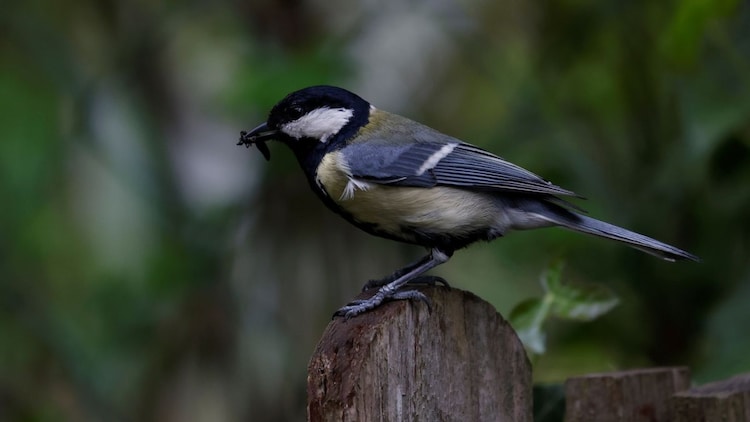
The paper also notes that selection pressure against smaller nestlings has strengthened over time, meaning even small growth deficits caused by cold or rain now carry heavier survival costs than they did decades ago.
Lead researcher Devi Satarkar of Oxford’s Department of Biology warns that as extreme weather grows more frequent and intense, it will become harder for birds to keep pace.