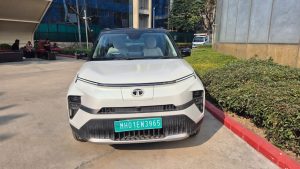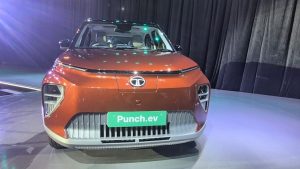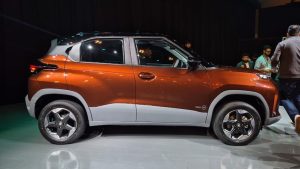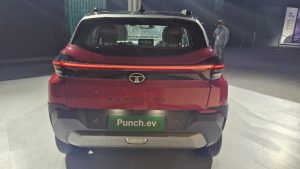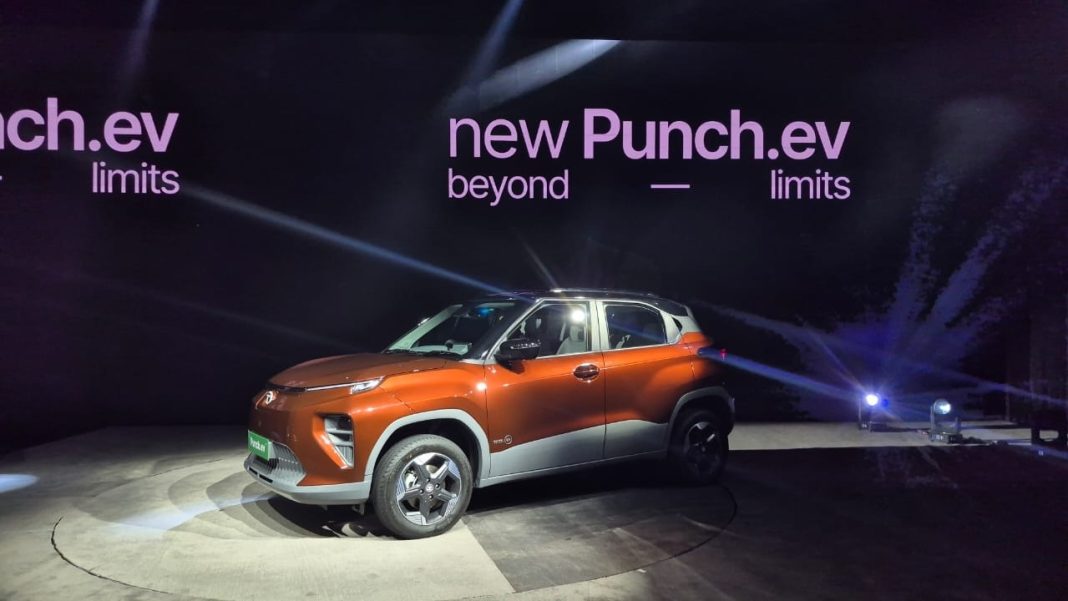
Tata.ev has taken an aggressive and highly strategic approach with the launch of the updated Tata Punch EV facelift, pricing it lower than the outgoing pre-facelift model despite mechanical upgrades and larger battery options.
While the efficiency and range figures are improved, the real story lies in cost engineering, feature rationalisation and drivetrain integration.
Pricing comparison: Old vs new
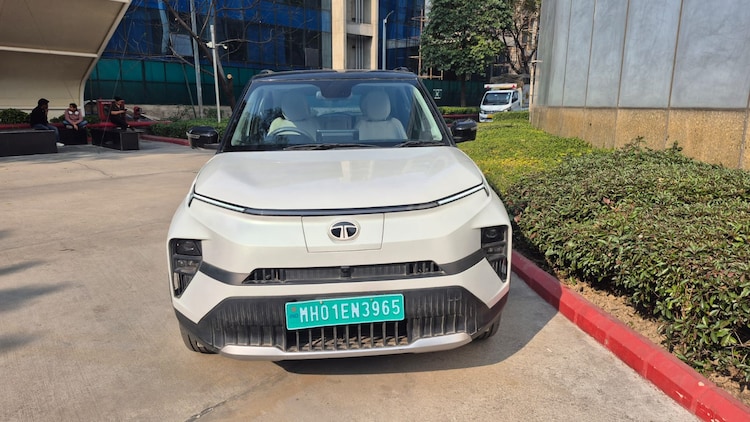
The pre-facelift Punch EV was priced between Rs 9.99 lakh and Rs 14.44 lakh (ex-showroom), depending on battery pack and trim level.
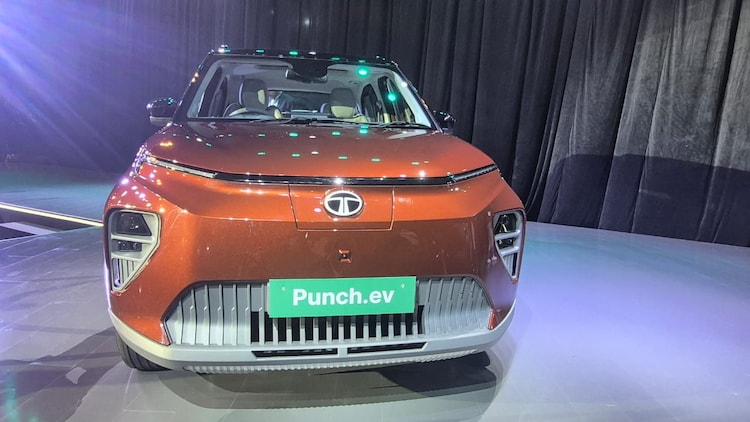
The facelifted model now starts at Rs 9.69 lakh and goes up to Rs 12.59 lakh (ex-showroom) for the top-end variant.
This translates to a price reduction of up to Rs 1.8 lakh for the top-end trim, a significant repositioning in the compact electric SUV space.
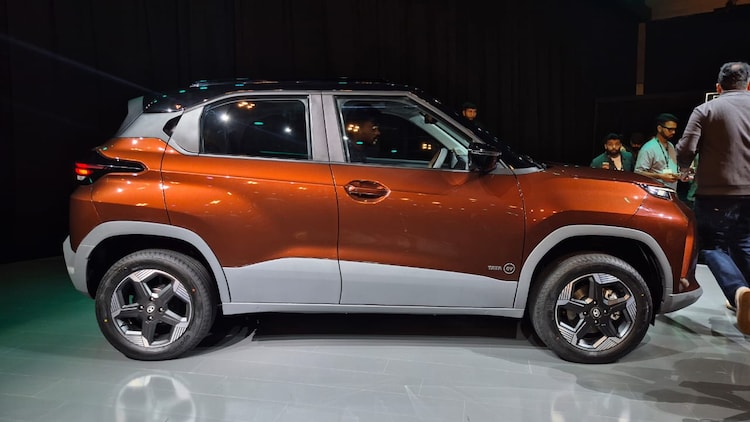
The big shift: 6-in-1 integrated drive unit
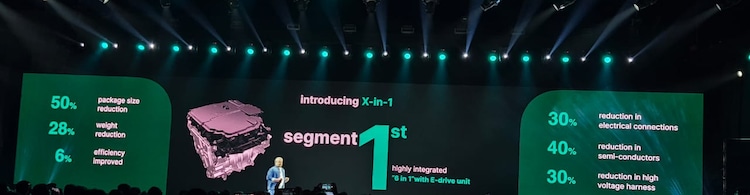
The most important engineering change is the introduction of Tata’s 6-in-1 integrated drive unit.
This new compact module integrates:
- Motor
- Inverter
- Onboard charger
- DC-DC converter
- Power distribution unit
- Vehicle control unit
Why this matters
Earlier systems used multiple standalone components connected via extensive cabling and semiconductor-heavy control modules. By integrating these into a single compact assembly:
- Cabling is reduced
- Semiconductor usage is lower
- Assembly complexity drops
- Packaging becomes more efficient
- Weight reduces
Fewer components mean:
- Lower procurement cost
- Reduced supply chain vulnerability
- Faster production
- Improved economies of scale
In simple terms, Tata has cut the electrical architecture’s complexity, and that saving directly reflects in pricing.
Shift to prismatic cells
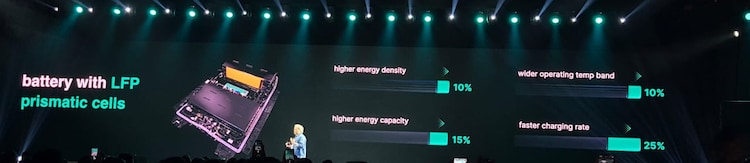
Another crucial change lies within the battery pack itself. Tata has moved from cylindrical cells to prismatic cells in the updated Punch EV.
Prismatic cells are rectangular and allow tighter, more space-efficient packaging within the battery enclosure. Compared to cylindrical cells, they require fewer individual units to achieve the same capacity. Fewer cell casings and connectors mean lower structural material usage and simplified assembly.
This helps Tata offer a 30kWh and the bigger 40kWh battery options while keeping manufacturing costs under control. As battery pack cost remains the single largest contributor to EV pricing, improvements in cell format and packaging efficiency directly support price reduction.
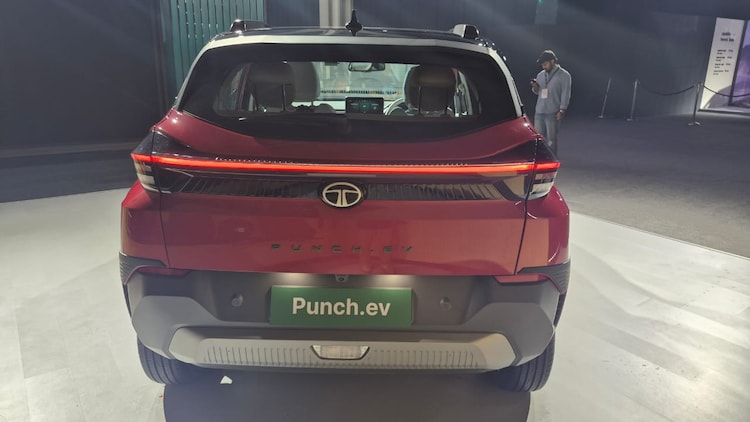
The facelift is less about adding visible upgrades and more about refining the underlying engineering to make the product commercially sharper. It reflects a broader maturation of Tata’s EV strategy, moving from early adoption incentives and feature-driven appeal to scalable, cost-optimised electric mobility.
Global reduction in battery cost
Another important factor underpinning this aggressive pricing is the global decline in lithium-ion battery prices. Over the past few years, increased production scale in markets such as China, improvements in cell chemistry, better energy density, and more efficient raw material sourcing have steadily driven down costs worldwide. As battery packs account for the single largest share of an EV’s manufacturing cost, even a modest reduction in global cell prices can translate into substantial savings at the vehicle level. For Tata.ev, this broader industry trend would have complemented its internal cost-engineering efforts, allowing the company to introduce larger 30kWh and 40kWh battery options while still repositioning the Punch EV at a lower price point.
The Tata Punch EV facelift demonstrates how thoughtful engineering changes can reduce costs without compromising the core experience. Through feature rationalisation, the adoption of a 6-in-1 integrated drive unit, reduced semiconductor dependency and the shift to prismatic battery cells, Tata has successfully lowered prices compared to the pre-facelift model.
The update represents a structural cost reset, one that could play a significant role in accelerating EV adoption in India’s mass-market segment.