

Key Takeaways
- US Congressman Raja Krishnamoorthi reintroduces HIRE Act to double H-1B visas from 65,000 to 130,000
- Legislation removes 20,000 cap on advanced degree holders and boosts STEM education funding
- Proposal comes amid political debate over visa costs and foreign worker hiring
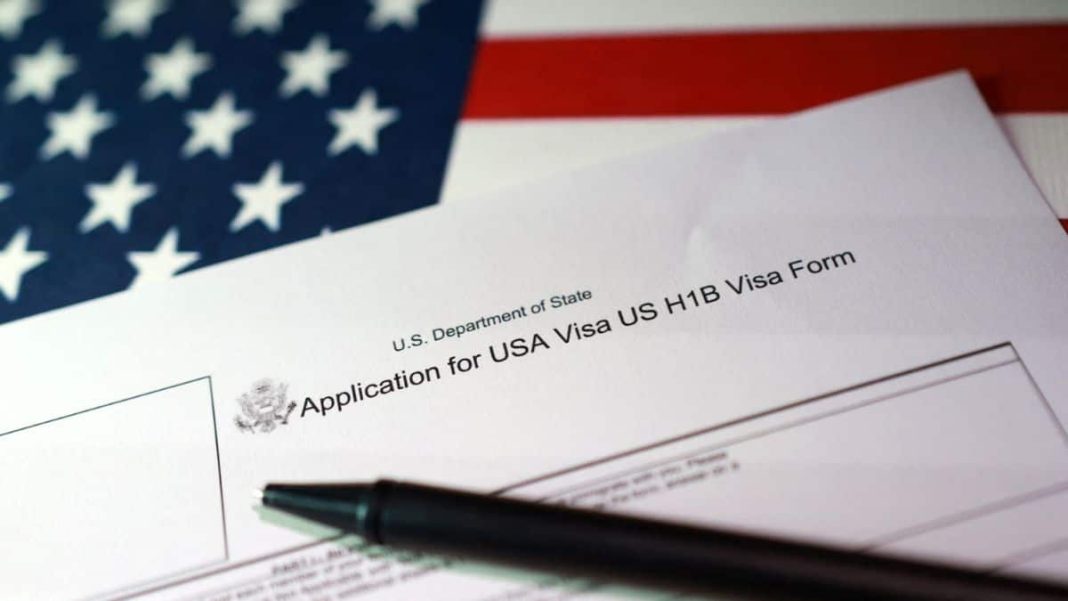
Democratic Congressman Raja Krishnamoorthi has reintroduced legislation that would dramatically expand the H-1B visa program, seeking to double the annual cap from 65,000 to 130,000 visas. The High-Skilled Immigration Reform for Employment (HIRE) Act arrives as immigration policy faces intense scrutiny ahead of the 2024 presidential elections.
Dual-Track Approach to Address Workforce Gaps
The HIRE Act employs a comprehensive strategy to strengthen America’s technological competitiveness. While expanding access to global talent, the legislation simultaneously increases federal investment in STEM education programs across US elementary and secondary schools.
Congressman Krishnamoorthi’s proposal has gained support from ITServe Alliance, the nation’s largest association of IT services organizations. The legislation would eliminate the existing 20,000-visa cap for individuals holding advanced US degrees, providing employers in critical technology sectors with greater access to skilled professionals.
Growing Political Significance
Immigration has emerged as a pivotal election issue, with recent YouGov polling showing 14.6% of registered voters now consider it their top concern – a significant increase from just 2.1% in 2012.
The legislative push comes amid ongoing policy changes. In September, President Trump signed a proclamation increasing the annual fee for companies hiring overseas talent through the H-1B program to $100,000.
Government Concerns About Program Abuse
The US government has expressed concerns about potential misuse of the visa system. An official order stated: “The H-1B nonimmigrant visa program was created to bring temporary workers into the United States to perform additive, high-skilled functions, but it has been deliberately exploited to replace, rather than supplement, American workers with lower-paid, lower-skilled labour.”
The order further noted that “The large-scale replacement of American workers through systemic abuse of the program has undermined both our economic and national security.”