Key Takeaways
- Nearly 7 million Americans across 10 states face freeze warnings overnight
- Temperatures could plunge as low as 25°F, threatening crops and pipes
- The National Weather Service warns of significant agricultural damage
- Residents advised to cover plants and insulate outdoor plumbing
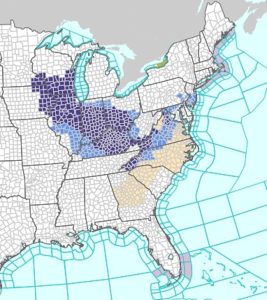
A sudden cold snap has triggered urgent freeze warnings for nearly 7 million Americans across central and eastern US states. The National Weather Service issued alerts forecasting dangerous sub-freezing temperatures as low as 25°F from midnight tonight through Friday morning.
Affected States and Temperature Forecasts
The freeze warning spans 10 states and over 200 counties from Wisconsin to North Carolina. Here are the expected temperature drops:
- Illinois: Central to west central regions including Champaign and Cook County – 27-32°F
- Indiana: Northern, central and southern areas – 28-31°F
- Iowa: Northeast and southeast regions – 25-31°F
- Kentucky: Statewide lows of 29-32°F, with Rowan and Powell counties at highest risk
- Minnesota: Southeast areas could see 25°F
- North Carolina: Western mountains – 27-28°F
- Ohio: Central, southern and southeastern regions around 31°F
- Virginia: Southwest to northwest areas – 25-31°F, with vineyard threats in Culpeper and Orange counties
- West Virginia: Near 31°F statewide
- Wisconsin: East central to southeast regions – 26-34°F
Immediate Threats and Warnings
The NWS explicitly warned: ‘Frost and freeze conditions could kill crops, other sensitive vegetation and possibly damage unprotected outdoor plumbing.’ They added that ‘sensitive outdoor plants may be killed if left uncovered.’
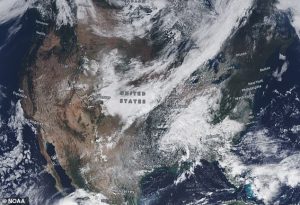
This early-season chill, driven by a Canadian high-pressure system, brings temperatures 20-30 degrees below normal for this time of year. While travel disruptions remain minimal, the Illinois Department of Transportation cautions that black ice could form on rural roads after the freeze.
Protective Measures Recommended
NWS officials urge residents in affected areas to:
- Cover sensitive plants overnight
- Insulate exposed pipes
- Monitor local forecasts for updates
- Watch for potential natural hazards from shifting weather patterns
These emergency alerts aim to reduce agricultural losses and protect vulnerable infrastructure as winter weather patterns begin establishing across parts of the United States.