
The United States will not renew sanctions waivers that allowed the purchase of certain Iranian and Russian oil without penalties, Treasury Secretary Scott Bessent said on Wednesday, signalling a shift in Washington’s energy and sanctions strategy.
Speaking at a White House briefing, Bessent confirmed that the administration would end both exemptions. “We will not be renewing the general licence on Russian oil, and we will not be renewing the general licence on Iranian oil. That was oil that was on the water prior to March 11. So all that has been used,” he said.
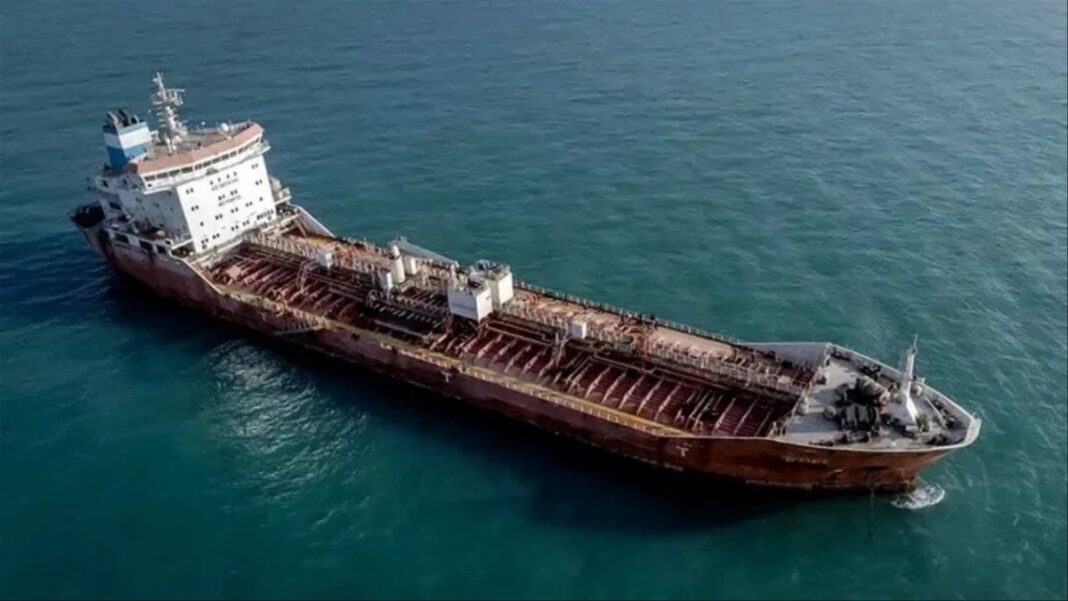
The decision follows earlier indications that the US would let a 30-day waiver on Iranian oil shipments expire this week and had already allowed a similar waiver for Russian oil to lapse over the weekend. These waivers had permitted limited transactions involving oil cargoes already at sea, providing temporary relief to global markets.
The move marks the end of efforts by the Trump administration to use such waivers to ease global supply constraints and lower soaring energy prices. The Iranian waiver, issued on March 20, enabled approximately 140 million barrels of oil to reach global markets, helping stabilise supply during the ongoing conflict. That waiver is set to expire on April 19.
Bessent reiterated that no further relief is under consideration. “Not the Iranians,” he told The Associated Press. “We have the blockade, and there’s no oil coming out.” He added that Iran may soon face production shutdowns, warning, “In the next two, three days, they’re going to have to start shuttering production, which will be very bad for their wells.”
The announcement comes amid heightened global tensions due to the US-Israeli war in Iran and disruptions in energy markets caused by the closure of the Strait of Hormuz. Oil prices had previously surged above $100 per barrel, prompting the initial issuance of waivers in March to stabilise markets.
Although the Treasury Department had briefly renewed the Russian oil waiver earlier, Bessent explained that decision was influenced by appeals from vulnerable nations. During meetings at the World Bank and International Monetary Fund, he said, “More than 10 of the most vulnerable and poorest countries came to me and said, ‘Can you help?’”
He clarified that the extension was a one-time measure. “It was for those vulnerable and poor countries. But I wouldn’t imagine that we’d have another extension. I think the Russian oil on the water has been largely sucked up,” Bessent said.
With both waivers now ending, the US is tightening its sanctions regime on Iranian and Russian oil, even as global energy markets remain under pressure.


