
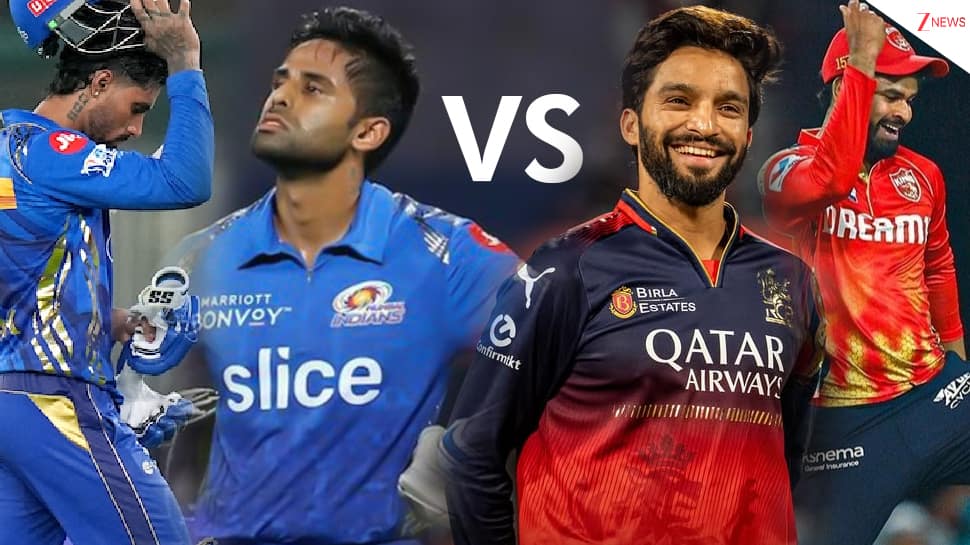
Are Shreyas Iyer and Rajat Patidar genuinely better T20 options than Suryakumar Yadav and Tilak Varma for India? As of April 2026, the answer remains firmly tilted in favour of Suryakumar and Tilak. However, this is no longer a one-sided debate. IPL 2026, shifting roles, and evolving team dynamics have created a genuine selection headache for India’s think tank. This is not just about numbers anymore. It is about role clarity, match impact, leadership value, and adaptability in modern T20 cricket.
Why this debate is dominating Indian cricket right now
India’s T20 setup is in a transitional phase following the 2026 T20 World Cup. While the core remains intact, emerging performances in IPL 2026 and domestic cricket have pushed selectors to reconsider combinations.
- Iyer is leading India in upcoming bilateral series like the Ireland tour
- Patidar is producing extraordinary strike rates in IPL 2026
- Suryakumar is battling a rare slump as captain
- Tilak continues to deliver consistency quietly but effectively
The result: a four-way contest for arguably two middle-order spots.
T20I performance: the strongest argument still lies with SKY and Tilak
At the international level, the separation is still quite clear.
- Suryakumar Yadav: 3,272 runs, average 36.36, strike rate 162.95
- Tilak Varma: 1,390 runs, average 44.84, strike rate 145.55
- Shreyas Iyer: 1,104 runs, average 30.67, strike rate 136.13
- Rajat Patidar: Yet to debut in T20Is
Suryakumar remains India’s most dynamic T20 batter. His ability to access unconventional scoring zones makes him irreplaceable in a format built on innovation.
Tilak, on the other hand, offers something equally valuable but different. He is India’s stabiliser in chaos. A batter who can anchor without slowing the game.
His recent run of 312 T20I runs without dismissal underlines not just form, but temperament.
Editorial insight: In high-pressure T20 internationals, proven output still outweighs potential or IPL form.
Suryakumar Yadav vs Shreyas Iyer: impact vs leadership
This is where the debate becomes nuanced.
- Iyer’s strongest case: leadership and structure
- Led Kolkata Knight Riders to an IPL title
- Took Punjab Kings to a final
- Won the Syed Mushtaq Ali Trophy with Mumbai
- Calm, tactically sharp, and flexible
Iyer is arguably India’s best T20 captaincy option outside the current leadership group.
Suryakumar’s edge: unmatched batting ceiling
Even with his recent dip, Suryakumar’s peak remains unmatched in Indian T20 cricket.
However, the numbers since he became captain in 2024 are concerning:
- Average dropped from 43.40 to 25.03
- Strike rate dipped from 167.70 to 154.96
- 20 consecutive innings without a fifty
- A poor 2025 where his average fell to 14.35
And yet, India won the Asia Cup 2025 and the T20 World Cup 2026 under his captaincy.
This creates a rare paradox: a struggling batter leading a winning team.
Tactical factors behind SKY’s dip
- Constant shuffling in batting positions (No. 3 to No. 5)
- Ultra-aggressive template under coach Gautam Gambhir
- Visible struggles against high pace and quality spin
If India separates captaincy from batting roles, Iyer becomes a serious contender. But purely as a batter, Suryakumar still offers more match-winning value.
Tilak Varma vs Rajat Patidar: the closest contest
This is where the conversation gets genuinely competitive.
Rajat Patidar: the IPL 2026 phenomenon
Patidar has been nothing short of extraordinary:
Average: 65.00
Strike rate: 234.3
Dominating attacks with fearless intent
Leading Royal Challengers Bengaluru, he has combined leadership with elite hitting.
Tilak Varma: the consistency king
Tilak’s case is built on reliability:
- 340+ runs in four consecutive IPL seasons (2022–2025)
- T20I average of 44.84
- Left-handed balance in a right-heavy lineup
- Ability to play both anchor and aggressor
He also holds a unique record, becoming the first Indian male to score three successive T20 centuries across formats during his peak run.
The key difference
- Patidar is explosive but untested internationally
- Tilak is consistent and proven under pressure
Editorial insight: India rarely replaces reliability with volatility unless the upside is overwhelming. Patidar is close, but not there yet.
IPL performance (2022–2026): form vs consistency
A five-season analysis adds important context:
- Suryakumar Yadav: 717 runs in 2025, 605 in 2023, elite strike rates consistently above 165
- Tilak Varma: The only player among the four with 340+ runs in four straight seasons
- Shreyas Iyer: Career-best 604 runs in 2025 at SR 175.1 after injury setback
- Rajat Patidar: Explosive 2026 (SR 214.3), but relatively inconsistent before
Domestic T20s: where Patidar and Tilak push ahead
In domestic cricket, the narrative shifts slightly.
Tilak Varma: Average 41.28, record-breaking performances including 151 off 67 in SMAT
- Rajat Patidar: Strike rate 158.26, 428-run season leading Madhya Pradesh to final
- Shreyas Iyer: SMAT-winning captain, tactical leader
- Suryakumar Yadav: Limited appearances but impactful
Patidar’s unbeaten 81 in the 2024 SMAT final nearly turned the game against Mumbai, highlighting his ability to perform in big matches.
Selection reality: what Indian team management is prioritising
India’s T20 selection philosophy currently revolves around:
- High strike rates with controlled risk
- Defined batting roles
- Flexibility against spin and pace
- Proven international temperament
- Current hierarchy
First-choice: Suryakumar Yadav, Tilak Varma
Leadership backup: Shreyas Iyer
Form contender: Rajat Patidar
Final verdict: not better yet, but pressure is real
Shreyas Iyer and Rajat Patidar are not better T20 picks than Suryakumar Yadav and Tilak Varma at this moment.
But the margin is shrinking fast.
- If Suryakumar’s slump continues, India may rethink his role
- If Iyer’s leadership delivers consistently, he becomes hard to ignore
- If Patidar sustains his IPL 2026 form, selection will become inevitable
For now, India’s T20 middle order still runs on the proven engine of SKY and Tilak. But the challengers are no longer knocking. They are pushing the door open.


