Supermoon is coming: Why the Moon will look bigger in December
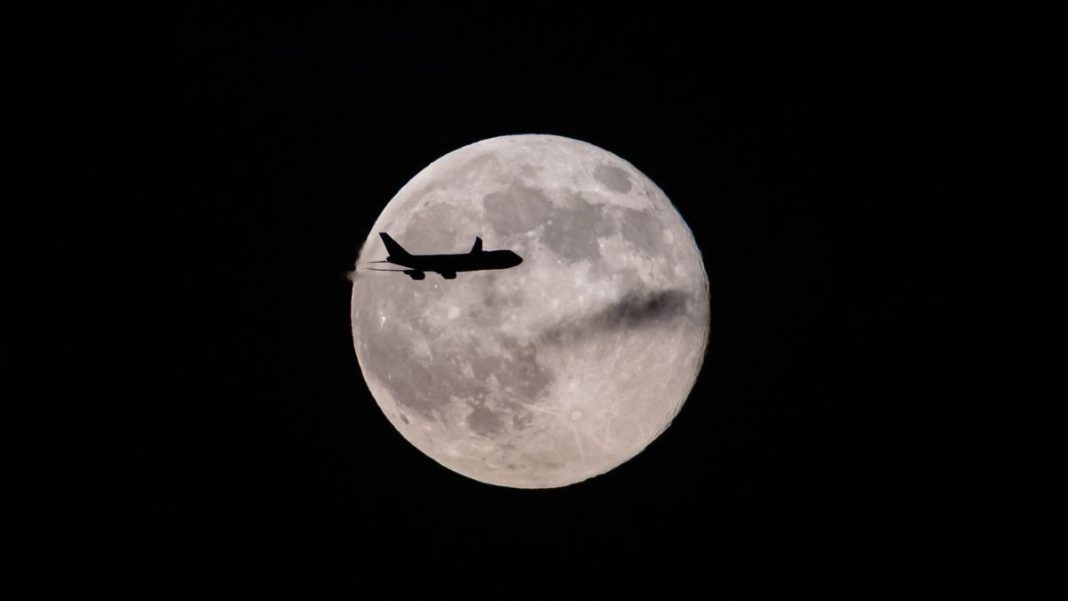
The final supermoon of 2025, known as the Cold Moon, will light up the December sky, appearing up to 14% larger and 30% brighter than the faintest Moon of the year.
Key Takeaways
- Peak Illumination: The supermoon will be 100% illuminated on December 5 at 4:44 am.
- Best Viewing: Watch just after moonrise for the “Moon illusion” effect, making it appear largest.
- Next Event: The next supermoon is expected in January 2026.
What is a Supermoon?
A supermoon occurs when a full Moon reaches its perigee—the closest point to Earth in its elliptical orbit, roughly 363,000 km away. While not an official astronomical term, it’s widely used for any full Moon that comes within 90% of this closest approach.
The December event, also called the Long Nights Moon or Moon Before Yule, is the second-biggest and second-brightest of the year, following November’s Beaver Moon.

Why the Moon Will Look Bigger and Brighter
The Moon’s elliptical orbit means its distance from Earth varies. At perigee, it appears larger and brighter. The Cold Moon will cast about 30% more light on Earth than the dimmest Moon.
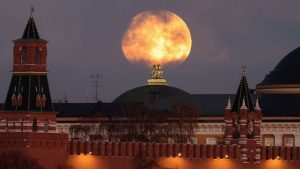
For the most dramatic view, look just after moonrise. The “Moon illusion” makes the satellite appear enormous near the horizon.

Other Effects and Traditional Names
The supermoon’s gravitational pull will cause higher-than-usual tides. Its early rise also means dark skies will remain for viewing the peak of the Geminids meteor shower later.
According to The Old Farmer’s Almanac, the December full moon carries many traditional names reflecting the winter season: Long Nights Moon, Frost Exploding Trees Moon, Hoar Frost Moon, Moon of the Popping Trees, Winter Maker Moon, Little Spirit Moon, and Snow Moon.
The next supermoon is scheduled for January 2026, with a gap until November 2026.