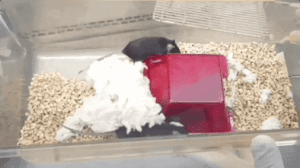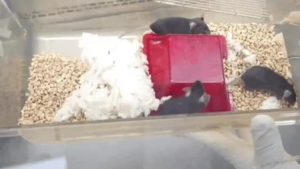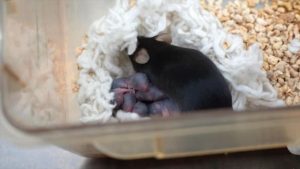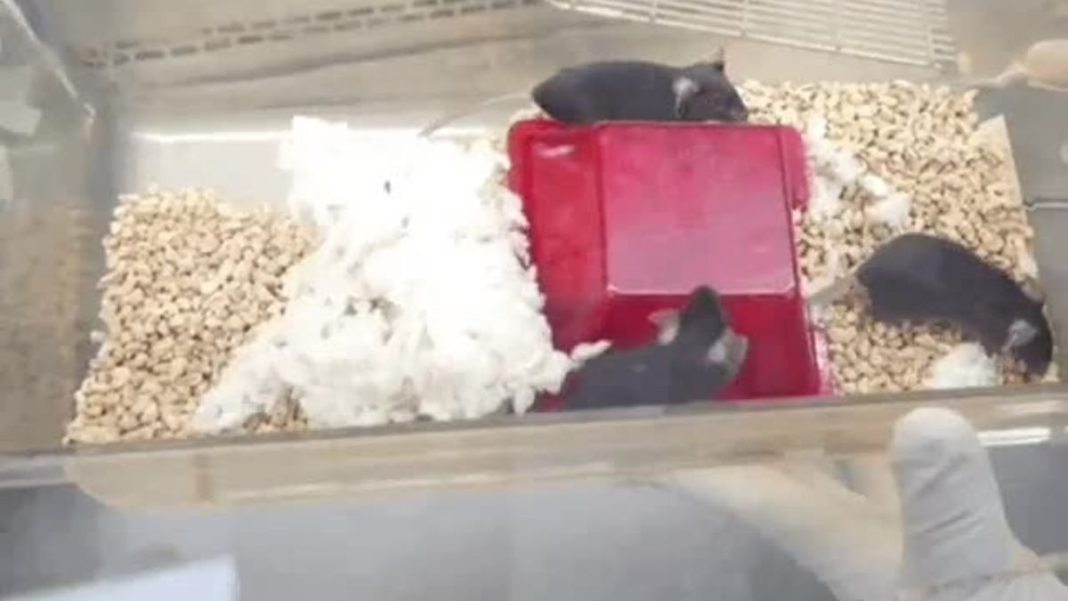
A brave little mouse that spent two weeks floating aboard China’s Tiangong Space Station has given birth to a whopping 28 pups across three healthy litters since returning to Earth, leaving scientists buzzing about what short space trips might do for mammalian families.
The adventure started with the Shenzhou-21 mission on October 31, 2025, when four mice blasted off to become China’s first small mammals in orbit on its homegrown station, according to the China National Space Administration (CNSA).
After roughly two weeks of microgravity experiments, they touched down safely on November 14, Xinhua News reported.
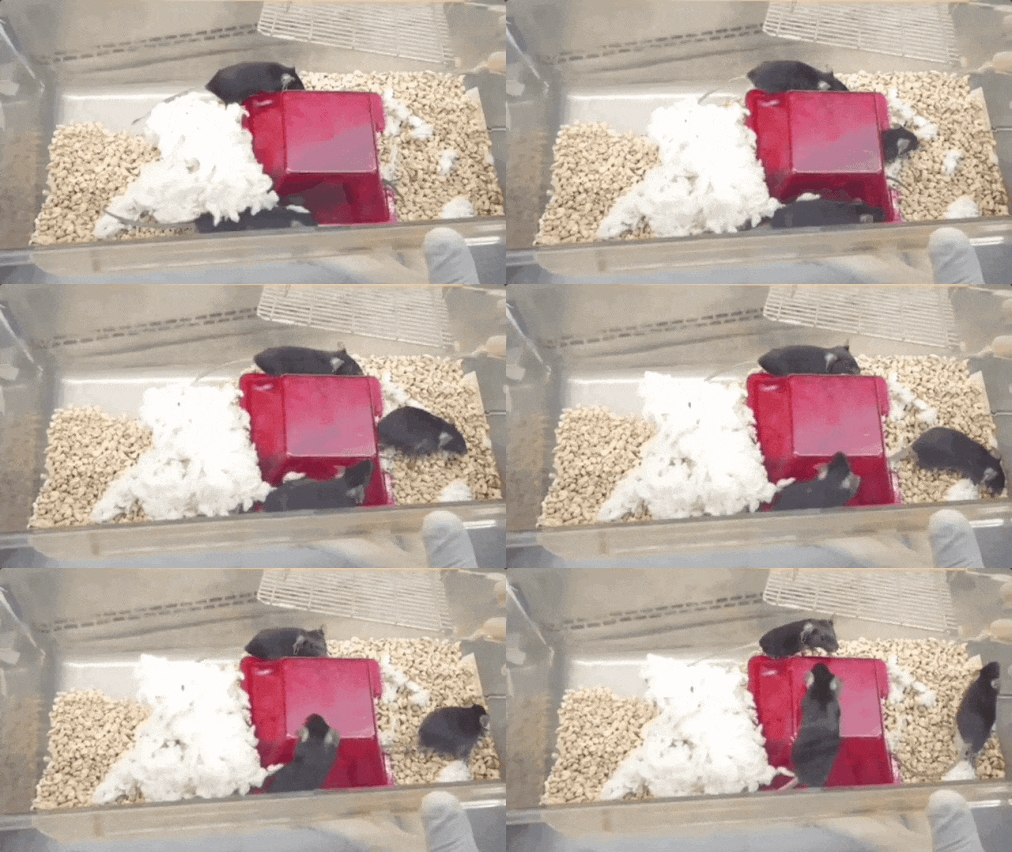
One female wasted no time: she conceived soon after landing and delivered her first litter of nine pups on December 10.
She kept going strong, producing a second litter of 10 pups, followed by a third in February 2026 with another nine.
Add them up, and you get 28 pups in total, far more than the usual five to seven per litter for mice on solid ground.
HOW DID THE MOUSE BIRTH SO MANY PUPS?
Most of the pups were born vigorous, with the mother nursing as expected and no obvious space-related problems.
While early reports on the first litter noted some normal losses, the surviving pups thrived, and the later litters showed even stronger outcomes.
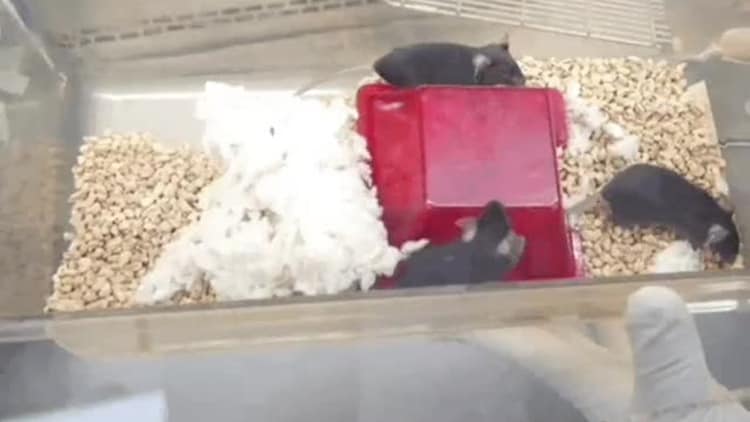
These bigger-than-average broods have researchers wondering if the brief orbital stress triggered some kind of reproductive rebound once back under gravity.
HOW WELL DO SPACE MOUSE PUPS ADAPT TO EARTH?
The real eye-opener is how adaptation improves litter by litter. The first set needed extra time to handle gravity, scamper about, and settle in.
The second litter jumped in with more confidence from day one. By the third, the pups moved and behaved just like any Earth-born mice.
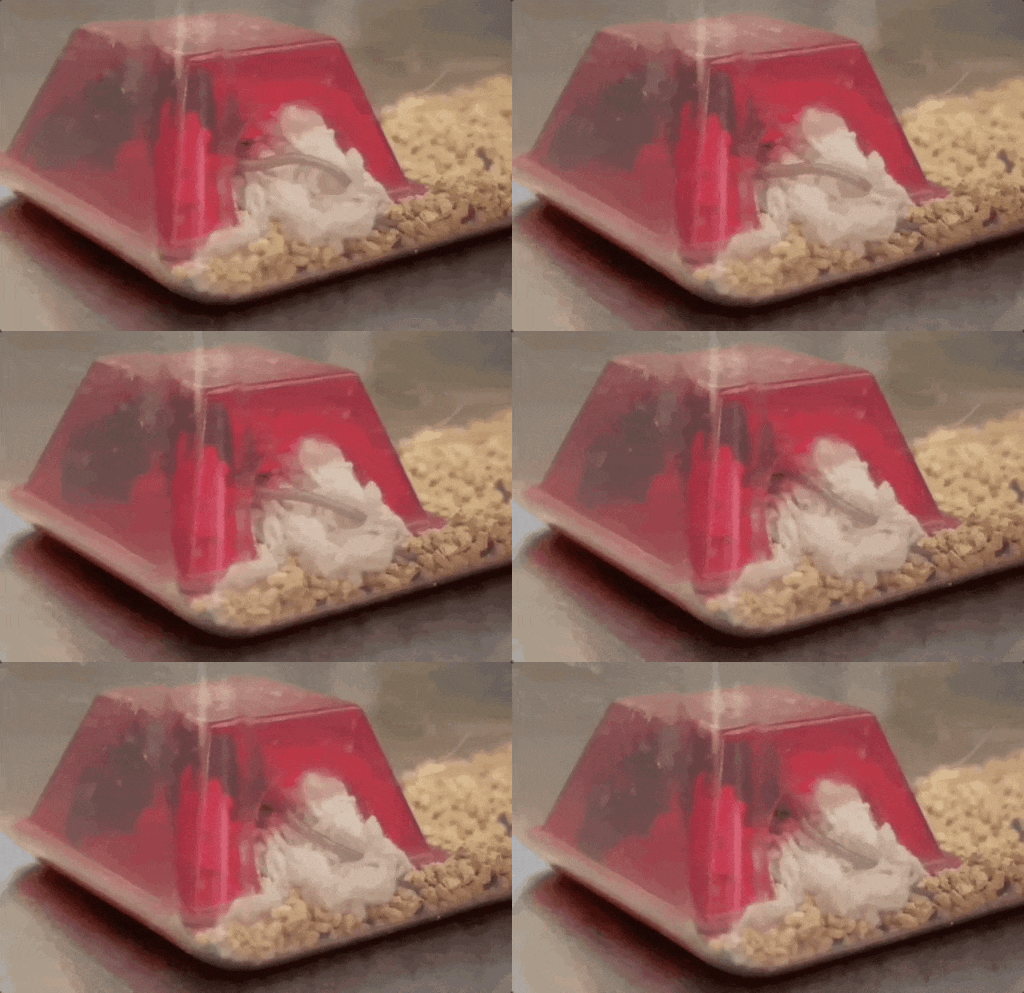
Each group readjusts quicker, suggesting that whatever effects microgravity had are wearing off over successive births and giving clues about mammalian recovery from space.
WHAT COMES NEXT FOR SPACE MOUSE EXPERIMENTS?
This isn’t the end of the road. Chinese scientists are gearing up for longer missions, planning to send mice aloft for six months or beyond to mirror human astronaut durations.
They will monitor everything from body changes and behaviour to reproduction across generations.
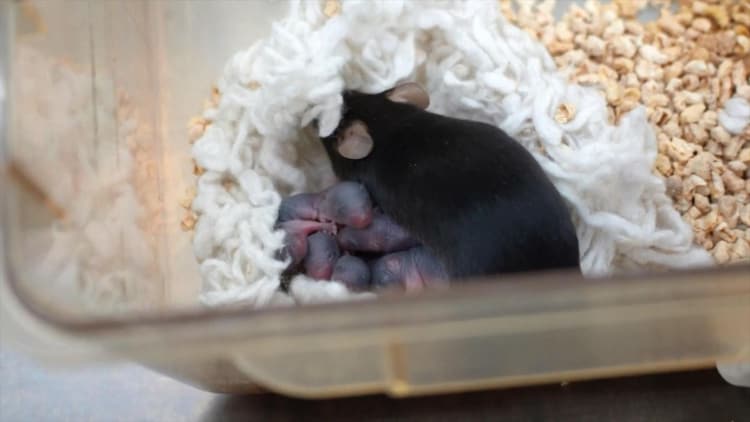
One tough mouse has already handed over a goldmine of data on whether space travel harms, or perhaps even enhances, family-making down the line.
From orbit to 28 bouncing pups, this story shows mammals might handle short space jaunts better than we thought, opening exciting doors for future explorers dreaming of life far from home.