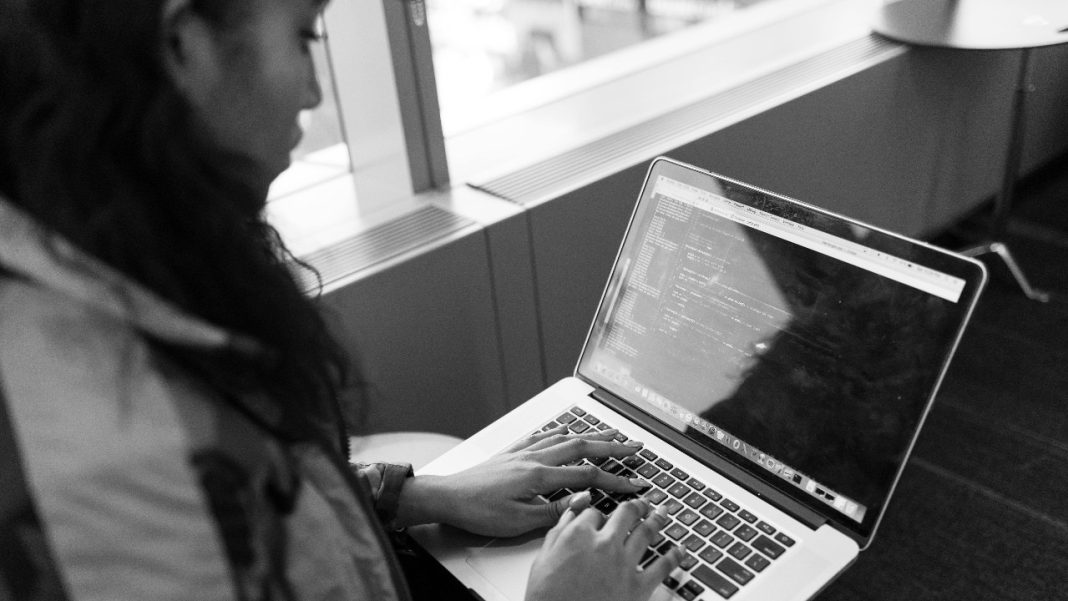
Long before an artificial intelligence system flags a violent video or filters explicit content from your feed, a human being has already watched it, frame by frame.
In small towns and rural India, thousands of women spend hours each day labelling some of the internet’s darkest material: graphic violence, sexual abuse, hate speech, and exploitation. Their decisions quietly determine what billions of users across the world see, or don’t see, online.
Their role is to train AI systems to recognise harm. For global tech companies building safer platforms, this hidden workforce is indispensable.
But the cost is rarely acknowledged. The images linger long after shifts end. Sleep is disrupted. Emotional numbness becomes a shield. Mental health support is limited, even as exposure to disturbing content continues daily.
The world sees cleaner feeds. What it doesn’t see are the women absorbing the trauma, so machines can learn what to block.
WHO ARE THE WOMEN BEHIND THE SCREENS?
Many of these workers live in rural parts of states such as Jharkhand and Uttar Pradesh. Often in their twenties or early thirties, they are recruited through outsourcing firms or data service providers promising respectable, home-based digital employment.
The jobs are marketed as flexible and empowering, an opportunity for women to earn an income without leaving their communities.
In regions where formal employment options are scarce, the appeal is understandable. Even modest pay can support families, fund education, or provide a degree of independence.
Yet the reality of the work rarely matches the initial pitch.
As reported by The Guardian, many women hired as AI content moderators say they are required to review hundreds, sometimes up to 800, images and short videos each day, making rapid judgments that help train algorithms to detect violence, abuse and other harmful content.
Algorithms identify potentially harmful content, but humans must make the final judgment. Each click trains the AI further, sharpening its ability to distinguish between acceptable and prohibited material.
This labour is essential. Without it, artificial intelligence would struggle to interpret context, nuance, or cultural differences. But the people performing it remain largely invisible.
WHAT DOES WATCHING ABUSE FOR HOURS EACH DAY DO TO A PERSON?
At first, many workers describe shock and revulsion. Violent assaults, graphic injuries, and sexual exploitation can be deeply disturbing. Over time, however, a different sensation sets in.
The images stop shocking them, not because they are unaffected, but because they feel numb. Some report nightmares and anxiety. Others speak of intrusive memories that surface during daily routines or quiet moments at home.
The psychological burden mirrors findings from research into content moderation globally: repeated exposure to traumatic material can lead to symptoms similar to post-traumatic stress. Yet unlike emergency responders or medical professionals, these workers often lack structured mental health support.
In some cases, counselling is minimal or inconsistently offered. Concerns raised about emotional strain may be dismissed as an unavoidable aspect of the job. The message, implicit or explicit, is that resilience is expected.
WHY IS THIS WORK SO POORLY UNDERSTOOD AND SO POORLY PROTECTED?
Artificial intelligence is often described as automated and autonomous. The language itself obscures the reality that AI systems depend heavily on human judgment.
Content moderators and data annotators occupy a grey zone in labour regulation. Many are contract workers without long-term job security. Employment agreements may not fully explain the nature of the material they will encounter until training begins.
Legal recognition of psychological harm in such digital roles remains limited. Unlike physical workplace injuries, emotional trauma can be harder to prove and easier to overlook.
At the same time, global tech companies benefit from outsourcing these tasks to regions where labour costs are lower and regulatory scrutiny may be less intense. The result is a global supply chain of digital labour that shields end users from harm while transferring emotional risk onto distant workers.

HOW DO HUMANS IN THE LOOP REFLECT THIS HIDDEN REALITY?
Humans in the Loop, the debut feature by Aranya Sahay, brings this concealed world into sharp focus.
Set in Jharkhand, the film follows Nehma, a young woman who joins a local data lab to support her family. As she trains AI systems by labelling online content, she confronts not only disturbing material but also moral conflicts and social pressures within her community.
The title itself refers to a fundamental concept in machine learning: humans remain embedded within automated systems, correcting and guiding them. The film challenges the myth of AI neutrality by showing how deeply human experiences, biases, and emotional labour shape technological outcomes.
Like the real women described above, Nehma’s work is both empowering and destabilising. She gains income and exposure to a global industry, yet carries the psychological weight of what she must witness. The film underscores a central paradox: AI may appear seamless and futuristic, but it is sustained by vulnerable human lives.
WHAT IS THE HUMAN COST OF TRAINING THE MACHINES?
The rapid expansion of artificial intelligence depends on massive volumes of labelled data. Each moderation decision refines an algorithm’s understanding of harm, sexuality, violence, or hate speech. The cleaner and safer online spaces become, the more invisible the workers behind them remain.
For many Indian women in rural communities, the trade-off is stark. The job offers financial opportunity in places where few alternatives exist. Yet the emotional consequences can be profound, affecting sleep, mental health, and relationships.
As AI systems become more sophisticated, the demand for such labour is unlikely to disappear. The question is whether recognition, regulation, and support will catch up.
CAN WE BUILD ETHICAL AI WITHOUT PROTECTING THE HUMANS IN IT?
The story of India’s female AI moderators forces a difficult reckoning. Artificial intelligence is not solely a product of code and computation. It is built on human perception, on people who absorb the worst of the internet so that machines can learn to filter it.
Acknowledging their role means confronting uncomfortable truths about global tech supply chains and the unequal distribution of psychological risk. Fair wages, transparent contracts, and meaningful mental health support are not optional add-ons; they are ethical necessities.
Behind every “smart” system stands a person who taught it what harm looks like. If AI is to serve humanity responsibly, the humans in the loop must no longer remain unseen.