

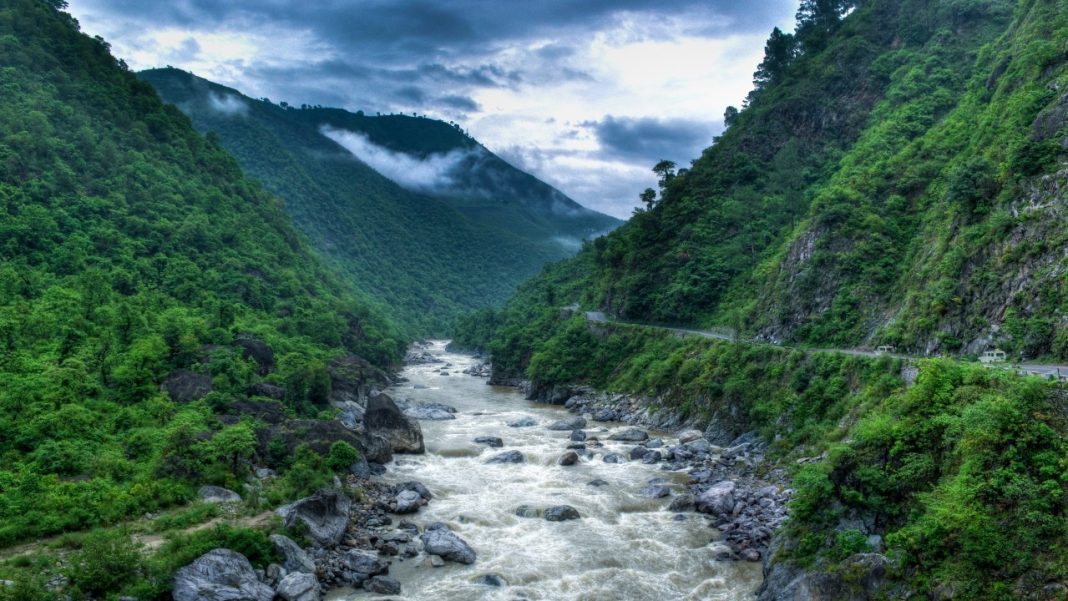
The river known as the ‘Sorrow of Bihar’ is the Kosi River. It has earned this title because of its frequent and destructive floods that impact millions of people in Bihar almost every year.
Flowing down from the Himalayas through Nepal into India, the Kosi is one of the most unpredictable rivers in the country.
WHY IS THE KOSI RIVER CALLED THE SORROW OF BIHAR?
The Kosi is infamous for changing its course. Over the past 200 years, it has shifted its path westward by over 100 kilometres. This shifting riverbed leads to sudden flooding, washing away villages, crops and infrastructure.
Because of repeated flood devastation, loss of life, and displacement of lakhs of people, locals began referring to it as the ‘Sorrow of Bihar’.
WHERE DOES THE KOSI RIVER ORIGINATE?
The Kosi originates in the Himalayas of Tibet and Nepal. It is formed by the confluence of three rivers — Sun Kosi, Arun and Tamur — which together are sometimes called the Sapta Kosi system.
After entering Bihar, the river flows through several districts before joining the Ganga in Katihar district.
MAJOR FLOODS AND IMPACT
One of the most severe floods occurred in 2008 after an embankment breach near the Nepal border. The river shifted to an older channel, affecting nearly 30 lakh people across Bihar.
Flood control measures like embankments and the Kosi Barrage have been constructed, but the river’s heavy sediment load and strong current make management extremely challenging.
A RIVER OF BOTH FERTILITY AND FEAR
While the Kosi causes destruction, it also deposits fertile alluvial soil, which benefits agriculture in north Bihar. Farmers depend on this soil for cultivation.
So, the river remains both a lifeline and a recurring threat, shaping Bihar’s economy, geography and history.