

10.1 C
Delhi
Thursday, January 15, 2026

Why HIV Remains Incurable After 40+ Years of Research

Key Takeaways

  • HIV remains incurable after 40+ years despite massive scientific investment
  • The virus integrates into human DNA and hides in dormant reservoirs
  • Current treatment requires lifelong antiretroviral therapy
  • Global prevention efforts are showing promising results in reducing infections

More than four decades after its discovery, HIV has transitioned from a death sentence to a manageable chronic condition, yet a complete cure remains elusive. Despite unprecedented global scientific efforts, only a handful of people have ever been declared cured – and those cases involved risky bone marrow transplants for cancer treatment, not medical interventions.

The Elusive HIV Cure: Why Treatment Isn’t Enough

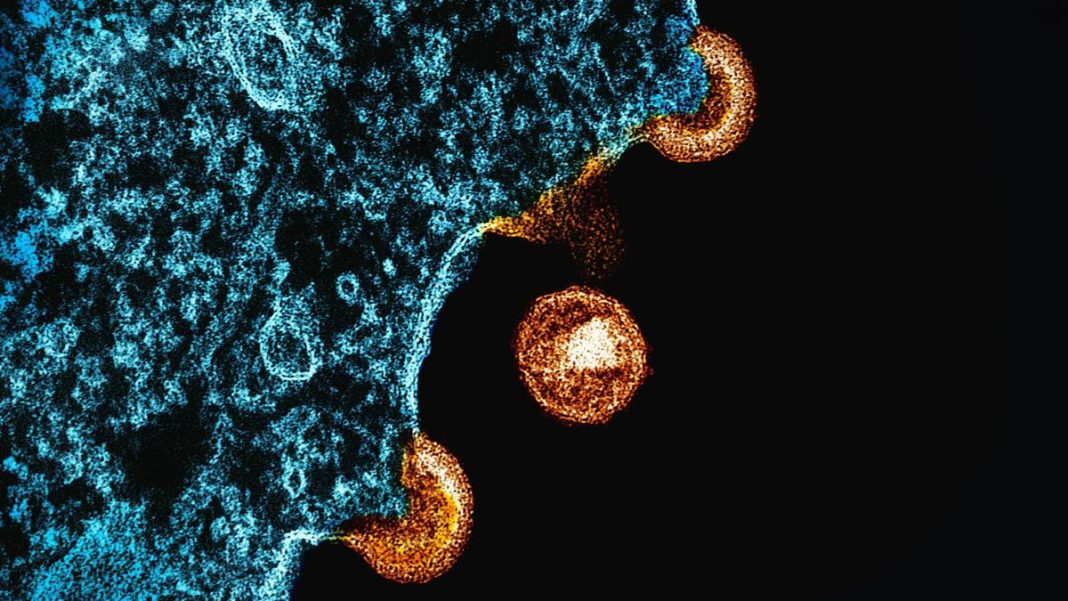
Since French virologists Françoise Barré-Sinoussi and Luc Montagnier first isolated the retrovirus in 1983, HIV has proven exceptionally resilient. Unlike ordinary viruses, HIV integrates its genetic material into human DNA and can enter dormant states, creating hidden reservoirs that current medications cannot reach.

Today, survival depends on strict, uninterrupted antiretroviral therapy. Any lapse risks viral rebound and potential drug resistance, creating both physical side effects and psychological burdens for the estimated 91.4 million people who have ever been infected.

HIV’s Unique Defense Mechanisms

Two properties make HIV particularly difficult to eliminate:

1. Genomic Integration: As a retrovirus, HIV converts its RNA to DNA and integrates permanently into the host’s genome. The viral DNA becomes indistinguishable from the person’s own genetic material.

2. Viral Latency: After integration, HIV can enter a dormant state where infected cells carry the virus but produce no new particles. This hidden reservoir remains invisible to the immune system and unaffected by medications.

These factors combine to create what scientists call a “moving target” – the virus constantly changes while hiding inside long-lived cells. When treatment stops, dormant cells reactivate, restarting the infection cycle.

Reasons for Optimism in the HIV Battle

Despite the challenges, significant progress has been made. Expanded testing, earlier diagnosis, and improved treatment access have transformed HIV management. Modern antiretroviral therapy not only maintains health but reduces viral levels to the point where transmission becomes virtually impossible.

Global infection rates are declining annually as prevention efforts narrow transmission paths. While science hasn’t conquered HIV with a cure, humanity’s collective will and sustained public health initiatives are gradually rendering the virus powerless through awareness and prevention.


Latest

WHO Backs Ozempic, Mounjaro in First Obesity Treatment Guidelines

The WHO issues first guidelines endorsing GLP-1 drugs for obesity, calling for integrated care and urgent action on global access and equity.

CBD for Dogs: Study Finds Link to Reduced Aggression

New research on 47,000 dogs suggests CBD may calm aggressive behaviour, but experts warn it's not a licensed veterinary medicine.

Indian Scientists Discover Oral Cancer Gene in Women – Breakthrough Study

Groundbreaking research identifies CASP8 as key driver gene for oral cancer in Indian women, enabling personalized treatment approaches.

Primate Ancestors Explain Human Alcohol Preference, Research Shows

Discover how 50 million years of primate evolution wired our brains for alcohol consumption through fermented fruit seeking behavior.

Antibiotic Crisis: Common Drugs Fail Against Routine Infections in India

ICMR report reveals 75% resistance to key antibiotics for pneumonia and sepsis, with ICU superbugs showing 91% resistance to last-line treatments.

Topics

Iran Threat to Close Strait of Hormuz Risks Global Oil Price Spike

Iran's threat to shut the vital Strait of Hormuz, a channel for 20% of world oil, could disrupt supplies and raise energy prices amid tensions with the West.

India’s Oil Strategy Shifts as US Sanctions Hit Russia and Venezuela

Facing dual sanctions pressure, India pivots oil imports to the Middle East and accelerates de-dollarization payments to secure its energy needs.

Bill Gates Foundation Begins Wind-Down, Announces Major Layoffs

The $75.2 billion Bill & Melinda Gates Foundation starts a 25-year shutdown plan, cutting 8% of staff. Explore the impact on global philanthropy.

Kashmiri Parents Seek Govt Help to Evacuate Kids from Iran Unrest

Families from J&K appeal to India for urgent evacuation of students stranded in Iran amid protests. Officials are monitoring the situation.

Kuwait Launches Real-Time Lease Registration Alerts on Sahel App

Kuwait residents now get instant phone notifications when rental contracts are officially registered, enhancing transparency and tenant protection.

Akmal Urges Rizwan to Leave BBL, Focus on Pakistan Duty

Former Pakistan star Kamran Akmal calls for Mohammad Rizwan to return from poor BBL form and prepare for the crucial South Africa series.

NZ Beat India by 6 Wickets as Mitchell, Latham Centuries Level Series

Daryl Mitchell and Tom Latham hit centuries as New Zealand chased 350 to beat India in the 2nd ODI, tying the series 1-1 ahead of the Rajkot decider.

McKinsey Makes AI Tool Mandatory in Job Interviews for Hiring

McKinsey now requires candidates to use its 'Lilli' AI tool during interviews. Failure to use it could lead to rejection, highlighting a major shift in hiring skills.
spot_img

Related Articles

Popular Categories

spot_imgspot_img