
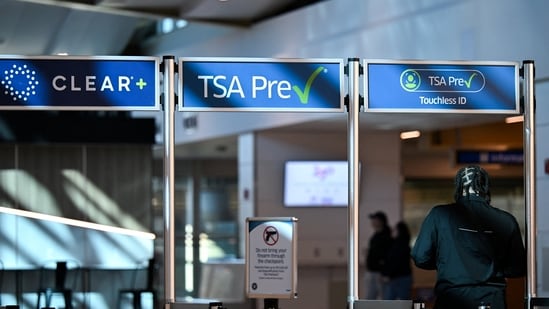
Airports across the United States woke up to a major change on Sunday morning. At 6:00 AM ET on February 22, 2026, the US Department of Homeland Security (DHS) paused both TSA PreCheck and Global Entry, shutting down the fast-track security programs for the first time ever. The move affects more than 20 million travelers who rely on these services to get through airports more quickly.
The suspension comes during a partial government shutdown and on a day when a major blizzard is battering the Northeast, leading to thousands of flight cancellations. For many Americans heading to the airport, this has already turned travel into a difficult experience.
TSA PreCheck remains operational despite earlier suspension notice
According to the reports of the USA Today, later updates clarified that TSA PreCheck lanes were not immediately shutting down.
“At this time, TSA PreCheck remains operational with no change for the traveling public. As staffing constraints arise, TSA will evaluate on a case by case basis and adjust operations accordingly,” said a Transportation Security Administration spokesperson in a statement.
“Courtesy escorts, such as those for Members of Congress, have been suspended to allow officers to focus on the mission of securing America’s skies” he told USA Today.
Despite the earlier DHS announcement, TSA officers at John F. Kennedy International Airport in New York continued separating PreCheck and non-PreCheck passengers on Sunday morning. Travelers in the Trusted Traveler Program were still allowed to use metal detectors instead of full-body scanners.
Senior TSA official Adam Stahl had earlier warned on social media that a prolonged funding lapse could lead to disruptions for travelers, “including delays, longer wait times and cancelled flights.”
Why TSA PreCheck is suspended
According to Filmogaz, The current shutdown began on February 14, 2026, after disagreements in Washington over funding for DHS and its Immigration and Customs Enforcement (ICE) agency. The dispute followed the deaths of two people during a federal immigration enforcement action in Minneapolis.
Because of the funding lapse, essential workers at TSA, FEMA and the Coast Guard are working without pay, though they must continue their duties. About 95% of TSA’s roughly 61,000 staff are considered essential and remain on the job.
While ICE has been central to the funding fight, it faces less disruption because it secured funding through 2029 under last year’s spending law. Instead, agencies like the TSA are feeling the biggest effects.
“This is the third time that Democrat politicians have shut down this department during the 119th Congress. Shutdowns have serious real-world consequences, not just for the men and women of DHS and their families who go without a paycheck, but it endangers our national security”, said DHS Secretary Kristi Noem.
Senior TSA official Adam Stahl had earlier warned on social media that a prolonged funding lapse could lead to disruptions for travelers, “including delays, longer wait times and cancelled flights.”
What this means for TSA PreCheck and global entry members
More than 20 million travelers are enrolled in TSA PreCheck, which costs between $76.75 and $85 for five years. Global Entry, which costs $120 for five years has more than 12 million members. Together, DHS trusted-traveler programs cover over 40 million vetted passengers.
If the suspension is ultimately enforced nationwide, it would mark the first known official halt of these expedited benefits. In past shutdowns, enrollment was disrupted and lines grew longer but lanes and kiosks remained open.
For now, TSA PreCheck remains operational but travelers are being warned that staffing shortages could still cause longer lines and delays.
Here is what travelers can do
- Arrive at least 3 hours before domestic flights, 4 hours for international trips.
- Check your flight status as many Sunday and Monday flights are already canceled.
- Contact your airline for fee-free rebooking, as many carriers have issued travel waivers.
- Confirm your flight before heading to JFK, LaGuardia (LGA), or Newark (EWR) airports.


