Key Takeaways
- Archaeologists discovered 30+ ancient artifacts in Turkey, including a unique statue depicting a deceased individual
- The finds challenge previous assumptions about Neolithic societies’ consciousness and organization
- Evidence suggests hunter-gatherers built permanent settlements before developing agriculture
Ancient statues and artifacts discovered in southeast Turkey are rewriting our understanding of prehistoric human history. The findings from Gobeklitepe and Karahantepe archaeological sites reveal sophisticated Neolithic societies that transitioned to settled life over 11,000 years ago.
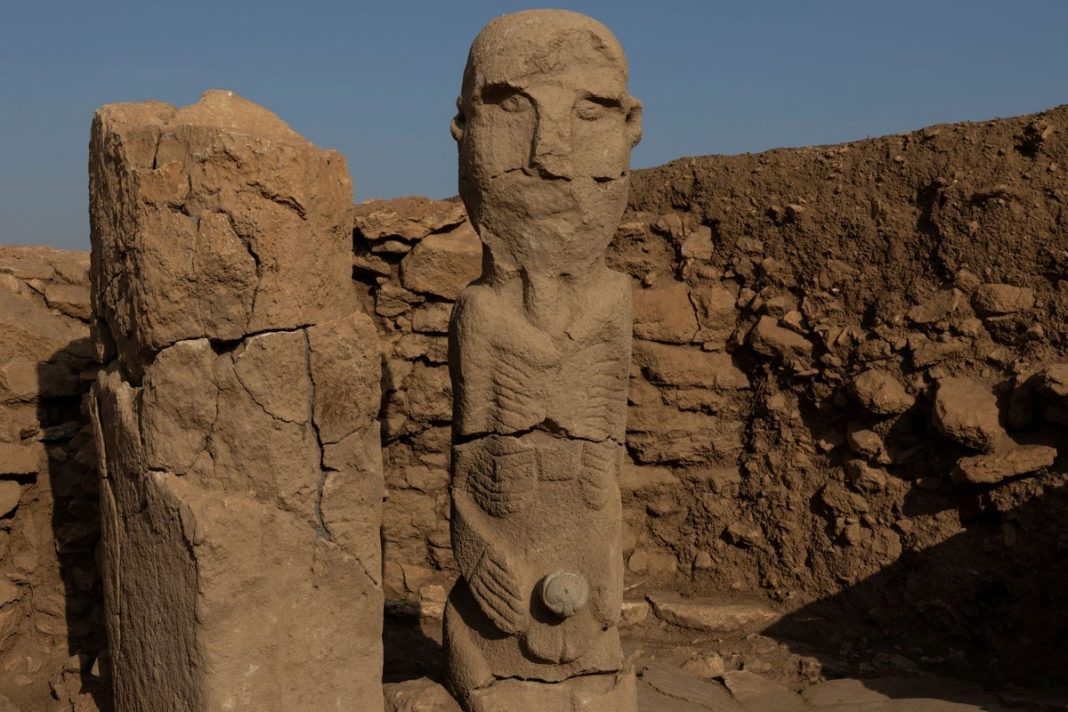
Among the most significant discoveries is a statue with facial features resembling a deceased person, providing unprecedented insights into early death rituals and symbolic expression. This was among approximately 30 artifacts uncovered, including human and animal statues, figurines, vessels, and jewelry.
“What makes these archaeological sites unique is the way they reshape our knowledge of Neolithic history, as well as the transition to settled life,” Culture and Tourism Minister Mehmet Nuri Ersoy said.

Revolutionary Insights into Prehistoric Consciousness
The Stone Mounds project, encompassing 12 Neolithic sites in Sanliurfa province, demonstrates that early humans possessed advanced levels of consciousness regarding belief systems, rituals, and social organization. These findings contradict previous assumptions about prehistoric cognitive development.
Gobeklitepe alone is expected to attract approximately 800,000 visitors this year, highlighting growing public recognition of these sites’ historical significance.
World’s Oldest Gathering Structures
The ministry-led project dates back to 9,500 BC, with Gobeklitepe and Karahantepe containing the world’s earliest known structures designed for communal gatherings and ritual performances.
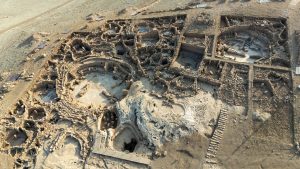
The sites feature remarkable oval-shaped monumental structures measuring up to 28 meters in diameter, surrounded by T-shaped limestone pillars that represent human forms. Some pillars display intricate animal reliefs, showcasing advanced craftsmanship.
Groundbreaking Artistic Discovery
Recent excavations at Karahantepe revealed a T-shaped pillar featuring the first known human face depiction on such structures. This artistic representation marks a significant milestone in understanding prehistoric symbolic expression.
“From nutrition to architecture, from the symbolic world to the rituals, the vast diversity of evidence obtained here bring us incredibly close to prehistoric societies,” said Necmi Karul, the head of excavations, describing the builders of the structures as skilled craftsmen.
The project challenges conventional archaeological theory that settled life began with agriculture and animal husbandry. Evidence indicates these sophisticated structures were built by hunter-gatherers who had already established permanent settlements, fundamentally reshaping our understanding of human civilization’s development.