Key Takeaways
- AI-generated ‘ideal’ bodies are predominantly young, white, and hyper-muscular.
- 300 images from three AI platforms showed minimal racial and age diversity.
- Researchers warn AI is amplifying harmful Western body standards.
Artificial intelligence platforms overwhelmingly generate ‘ideal’ human bodies as young, white, and extremely fit, according to a new scientific study. Researchers found AI images reinforce narrow beauty standards with minimal diversity in race, age, or body type.
Scientists from the University of Toronto analyzed 300 AI-generated images of male and female bodies from three platforms: Midjourney, DALL-E, and Stable Diffusion. The results revealed a clear pattern of uniformity across all generated images.
The AI-Defined ‘Perfect’ Body
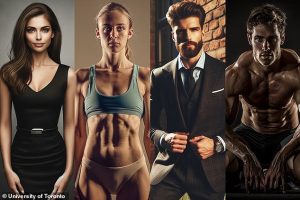
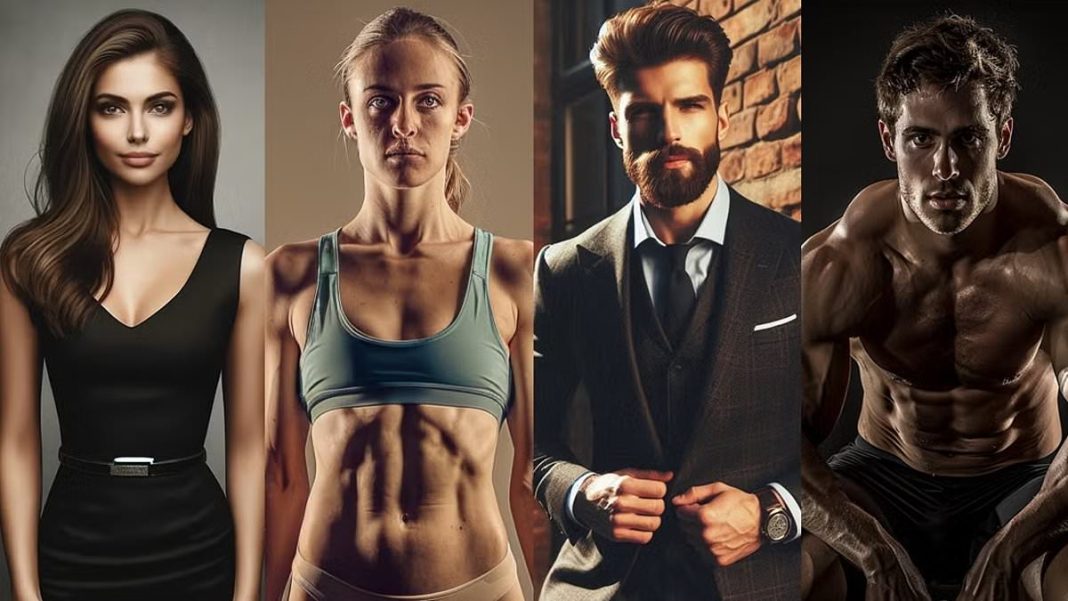
According to the AI systems, the ideal woman is young, blonde, facially attractive, and wears revealing clothing. The ideal man is shirtless, young, has black hair, and is hyper-muscular. Both genders were depicted with low body fat and no visible cellulite or fat rolls.
‘In a systematic coding of 300 AI-generated images, we found that AI reinforces the fit ideal,’ said Dr Delaney Thibodeau, lead author of the study published in Psychology of Popular Media.
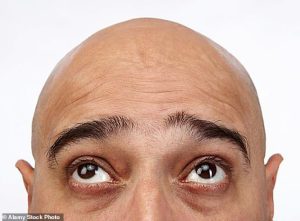
The analysis showed 66.7% of male images and 62.5% of female images depicted white people, while nearly all showed young individuals. Notably, ‘male adults in the images were never bald,’ the researchers noted.
Diversity Concerns in AI Generation
The study highlighted significant diversity gaps in AI-generated content. ‘Racial and age diversity were minimal,’ Dr Thibodeau added. None of the 300 images depicted people with visible disabilities.
‘Female images were more often dressed in bathing suits and revealing apparel, while male images appeared shirtless more frequently,’ the researchers observed.
Professor Catherine Sabiston, co-author of the study, emphasized: ‘Our findings underscore the need to investigate how emerging technologies replicate and amplify existing body ideals and exclusionary norms.’
Historical Context of Body Ideals
Body beauty standards have evolved significantly over decades. The study included a historical comparison showing how ideals shifted from the voluptuous 1950s hourglass figure to the thin ‘heroin chic’ of the 1990s, to today’s preference for muscular, toned bodies.
Researchers recommend a human-centered approach in AI design that considers factors like gender, race, disability and age. ‘Otherwise, we continue to perpetuate harmful, inflexible and rigid imagery of what athletes should look like,’ Professor Sabiston warned.
The findings suggest current AI algorithms need better diversity training to avoid reinforcing harmful body stereotypes that could impact body image and self-perception worldwide.