A new conservation story has emerged out of one of India’s premier college institutions.
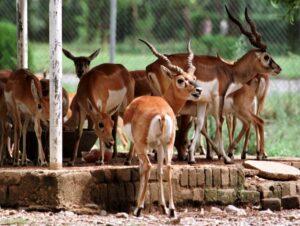
The Indian Institute of Technology Madras (IIT-M) has seen its blackbuck population surge from just 12 in 2021 to 77 in 2026. This remarkable comeback shows what thoughtful conservation can achieve even in the middle of a busy city like Chennai.
WHAT ARE BLACKBUCKS?
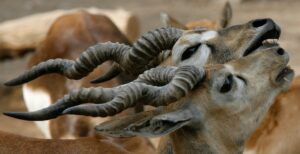
Blackbucks (Antilope cervicapra), also known as Indian antelopes, are medium-sized graceful animals famous for the males’ long, spiralling horns that can reach over 70 cm. These horns, twisted in a V-shape with ridges, help males defend territory and attract mates.

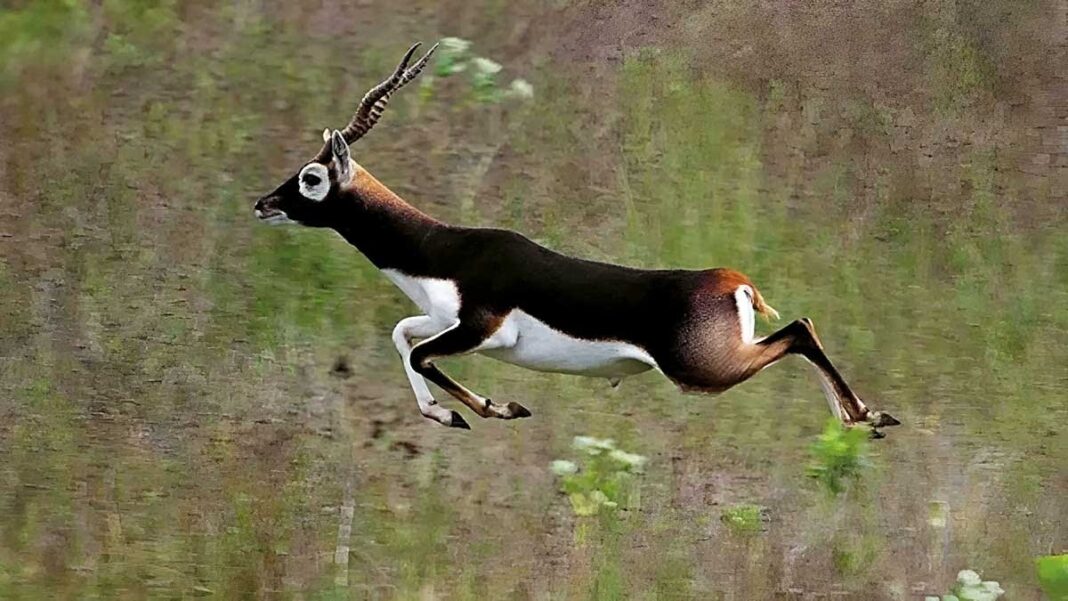
Females are usually hornless and have a reddish-yellow coat, while adult males turn a deep black-and-white. They stand about 74–84 cm at the shoulder and are among India’s fastest land animals, sprinting up to 80 kmph with powerful leaps to escape danger.
These antelopes thrive in open grasslands and lightly wooded areas with short grasses for grazing. They are primarily herbivores that feed on fresh grasses, forbs, and occasionally browse on shrubs or crop shoots. Active during the day, they need reliable water sources and prefer open spaces where they can spot predators easily.
NEAR EXTINCTION TO RECOVERY
In the past, IIT-M’s campus, linked to the Guindy National Park ecosystem, supported hundreds of these animals, but numbers fell sharply due to habitat loss and other pressures, dropping below 20 by the early 2000s.
Recent conservation revived the population through habitat-friendly steps like restoring open grasslands by removing unnecessary fences to give them ideal grazing and breeding space.
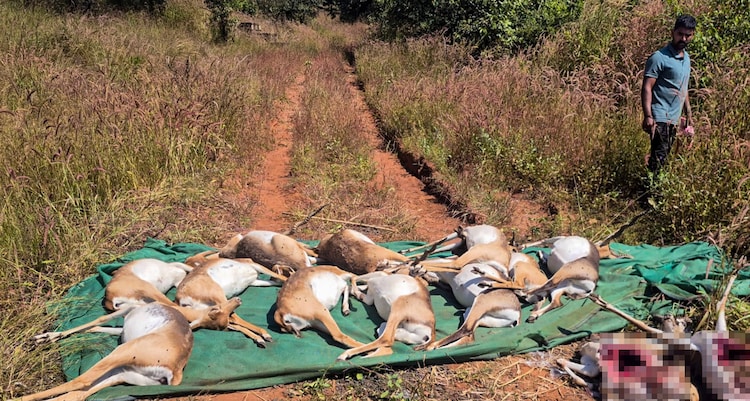
Steps also included stricter speed limits to protect them from vehicles, while controlling stray dogs, a major threat to fawns as the dogs tend to prey upon them.
The results are now apparent as the actions collectively have reaped results, helping the herd grow safely.
The success at IIT-M highlights the blackbuck’s role in grassland ecosystems as grazers that help maintain vegetation balance.
Their return brings joy to students and staff who now regularly spot herds grazing peacefully near academic areas and open fields. It’s a rare sight in the face of India’s rapidly growing infrastructural development that has led to natural grasslands to slowly disappear.

But as this development illustrates, conservation offers hope.
With continued protection of their preferred open habitats, water access, and safety from disturbances, blackbucks can thrive alongside humans. This revival proves that small, consistent efforts can support these beautiful, speedy antelopes and preserve biodiversity right in our urban spaces.