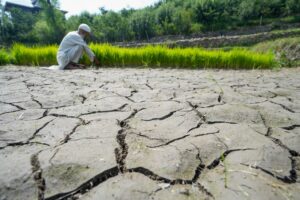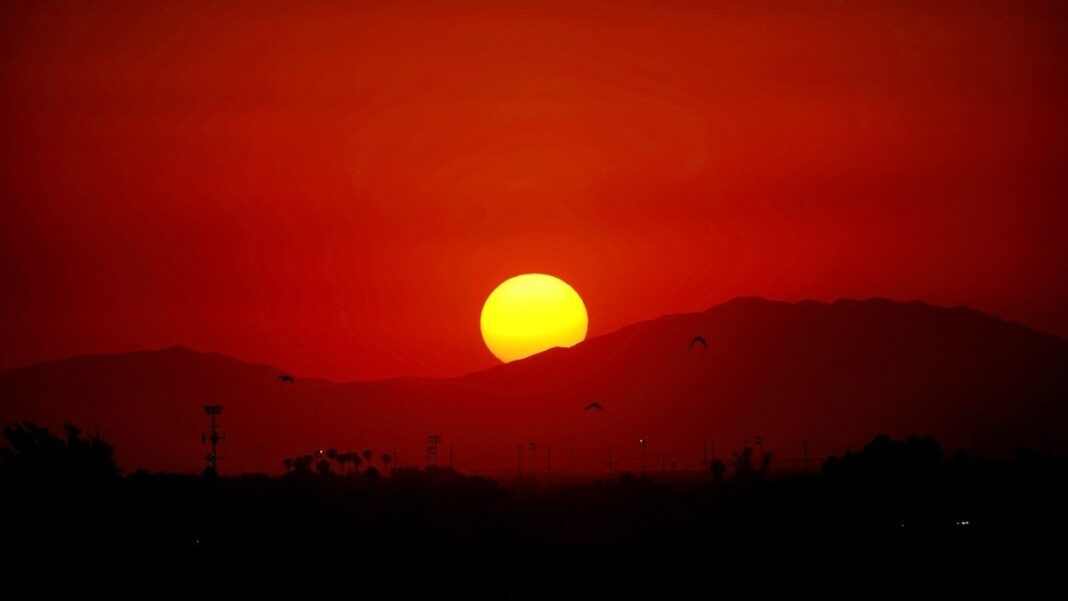
Like many parts of the world, India is not immune to misleading claims about climate change. Social media often spread oversimplified or incorrect narratives that can confuse public understanding of a complex issue.
A recent viral post on X claimed that India has warmed far less than other countries, heating up at just 0.5–1°C a decade, while the rest of the world saw 1–1.5°C per decade in annual mean temperatures.

The post also suggested that India was largely spared from significant warming.
But when looked at closely, with a watchful eye, the claim does not hold up against official records.
WHAT DOES THE DATA SAY?
According to the India Meteorological Department (IMD), India’s annual mean temperature has risen by about 0.9°C from 1901 to 2024.
Warming was slower in the early 20th century but picked up speed after the 1990s. The past decade, from 2015 to 2024, was the warmest on record, with an average anomaly of +0.31°C above the 1991-2020 baseline.
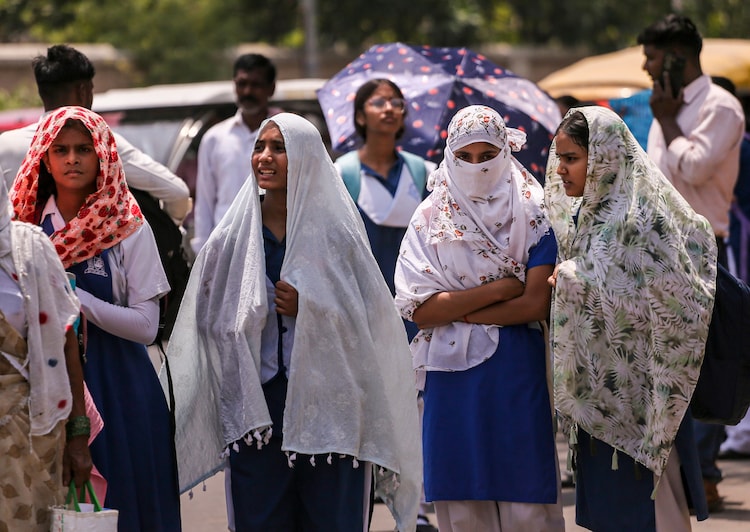
In 2024, India recorded its hottest year since 1901. In 2024, the annual mean temperature stood at 25.75°C, which was above the long-term average by 0.65°C, surpassing the previous record from 2016.
Even the nighttime temperatures rose even more sharply, by 0.90°C above normal.
Furthermore, in a global context, the long-term warming rate is much lower than the post suggested.
Copernicus ERA5 data show roughly 0.21°C per decade since 1979, rising to about 0.27°C per decade in the most recent 30 years.
No major scientific dataset reports widespread national or global decadal increases of 1–1.5°C. That is because such a rate would have caused far more extreme total warming than observed, and had brought disasters beyond human comprehension.

India’s overall warming trend is also aligned with the global pattern of recent warming, though some regional factors like aerosols can moderate mean temperatures in certain areas.
What stands out in India is the clear rise in extreme heat, longer heatwaves, and hotter nights, which affect daily life far more than small shifts in the yearly averages.
All of these factors have been experienced by millions of Indians as recently as last week.
INDIA IS HIGHLY VULNERABLE TO CLIMATE CHANGE
Even with measured mean warming that is sometimes less dramatic than in high-latitude regions, India ranks among the more climate-vulnerable countries.
The Notre Dame Global Adaptation Initiative (ND-GAIN) gives India a vulnerability score of 0.485, placing it as the 59th most vulnerable nation.
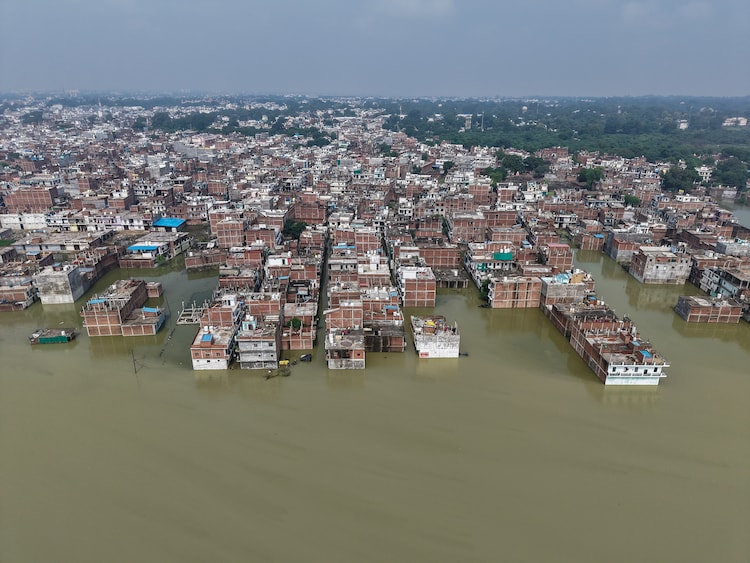
High population density, heavy dependence on rain-fed farming, extensive coastlines, and major rivers fed by melting Himalayan glaciers all add to potential risks posed to India by a warming planet.
The Germanwatch Climate Risk Index has also ranked India among the top 10 countries most affected by extreme weather events over recent decades, from 1995 to 2024, due to intensified heatwaves, floods, droughts, and cyclones.
Every year, rising heat reduces labour productivity, affects incomes, households, infrastructure and strains health systems, while erratic monsoons threaten food security and put thousands at risk.
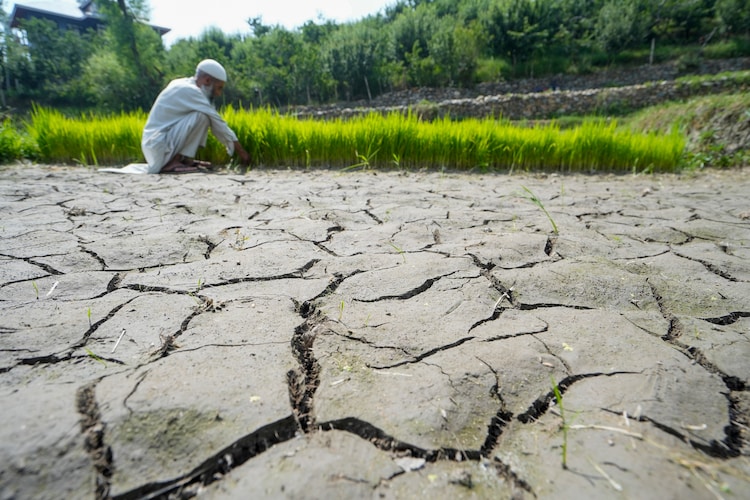
These realities might not garner social media likes and shares, but they are realistic, grounded-in-science, and worrying prospects for hundreds of millions of farmers, urban workers, and coastal communities.
But it’s not all doom and gloom.
India has made significant progress in expanding renewables, increasing total forest area, and recovering populations of tigers, lions, and rhinos.

Yet primary natural forest loss continues in some regions, and development pressures add to the challenges.
The bottom line is that in addressing climate change, a good place to start is by admitting that accurate information is essential.
There’s no treatment without a credible, accurate diagnosis.
Better data literacy helps Indians separate facts from exaggeration and supports practical steps for adaptation and emission reductions in a warming world.
A world that needs us and our empathy and understanding and action to save it.