
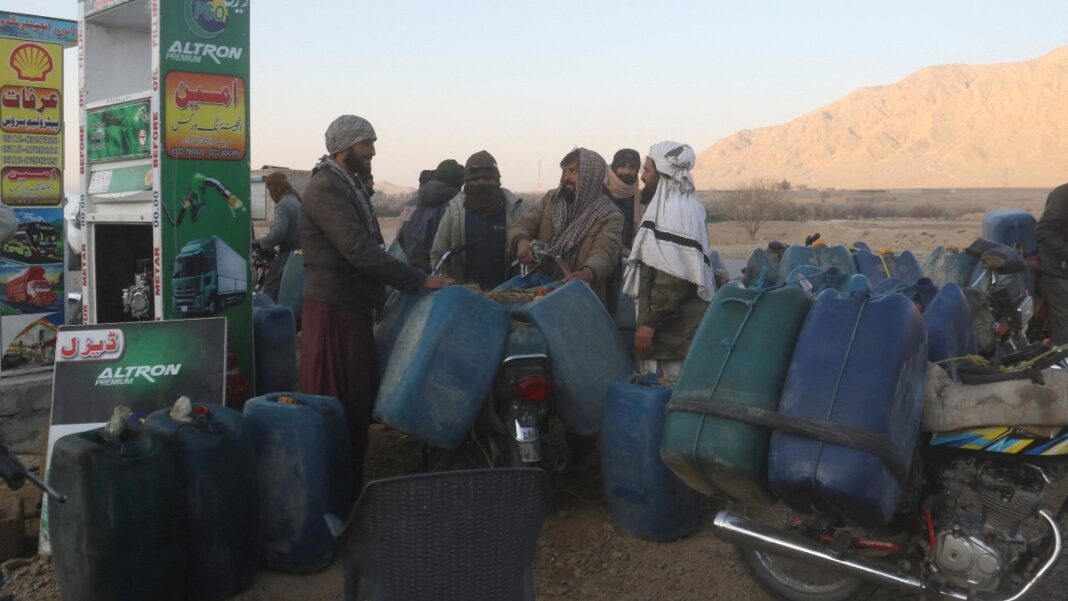
What Pakistan said and what Pakistan showed are now two very different stories — and it took a Facebook post by Robert Kiyosaki, US entrepreneur and author of Rich Dad Poor Dad, to bring that gap into clearer perspective. As oil routes tighten and prices rise amid Middle East conflict, the gap between what officials say and what people in Pakistan are actually facing on the ground is becoming harder to ignore.
Robert Kiyosaki flagged the remarks by Petroleum Minister, Ali Pervaiz Malik, who admitted that the country does not even have a day’s worth of strategic petroleum reserves.
What made the statement sting even more was how different the tone had been just days earlier. In a previous press conference, the same minister had said Pakistan’s fuel supply was “secure and stable.” He claimed the country’s position was comparatively stronger than many others, including India, which he said was struggling with long queues at petrol pumps and widespread shortages. He praised the government’s “proactive measures” for ensuring energy security and insisted everything was under control.
But Robert Kiyosaki literally showed the mirror.
After the disruption in the Strait of Hormuz triggered by the Iran conflict, fuel prices in Pakistan soared. In early April 2026, petrol jumped from around PKR 321 to PKR 458 per litre, which was a 43 per cent increase in a month. Diesel rose even more sharply, from PKR 335 to PKR 520, a 55 per cent hike.
Massive protests broke out across the country. Businesses warned of collapsing supply chains, and the opposition labelled it a national emergency.
INDIA’S QUIET STABILITY
Across the border, the picture looked very different. Despite the same global oil shock and crude prices climbing above $120 per barrel, petrol and diesel rates in India stayed largely unchanged across major cities.
According to Robert Kiyosaki, India survived COVID pandemic, Russia’s war in Ukraine and now the Iran conflict without dramatic price hikes to absorb the shock.
He argued India has built strategic petroleum reserves that, as even Pakistani officials acknowledged, allow emergency supplies to be released with “one signature” — enough for 60-70 days when combined with commercial stocks. India has also widened its oil supply network, leaning on Russia as a key source while bringing back shipments from Venezuela in 2026.
As one of the world’s largest refining hubs, India absorbed the shock internally. It also adjusted export duties on fuels to protect domestic supply.
ROBERT KIYOSAKI SHOWS MIRROR TO PAKISTAN
When Malik said, “We are not India,” the authors says, he was right — but not in the way he may have intended.
Pakistan produces almost no domestic oil and depends heavily on imports routed through vulnerable Gulf shipping lanes. It has limited foreign exchange reserves and operates under tight IMF constraints. When the Strait of Hormuz faced disruption, there was no cushion.
Meanwhile, the government quietly set up a task force on April 22 to explore building strategic reserves — with recommendations due by May 8 — a step many should have been taken years ago.
Robert Kiyosaki’s post cut through the noise and reflected what the numbers already showed. One minister offered two very different narratives in the same week. One set of numbers told the clearer story: Pakistan saw fuel prices surge by more than 50 per cent, while India held the line.
The war did not create this gap. It simply exposed it.


