

Israel Insists It Calls Shots in Gaza Despite Truce
Key Takeaways
- Israel maintains full security control over Gaza despite US-brokered ceasefire
- Netanyahu asserts right to approve international forces and conduct strikes
- Egyptian technical team enters Gaza to search for remaining 13 hostage bodies
- Hamas resists disarmament while crackdown continues on rival groups
Israel has declared it will maintain ultimate security control over Gaza despite agreeing to a US-brokered ceasefire that includes deploying an international security force. Prime Minister Benjamin Netanyahu emphasized that Israel alone would determine security operations and which countries could participate in the truce monitoring.
“We Control Our Security”
Prime Minister Netanyahu told ministers in Jerusalem that Israel remains an independent state that doesn’t seek approval for its security decisions. “We will defend ourselves by our own means and we will continue to determine our fate,” he stated during Sunday’s government meeting.
“Israel is an independent state. We will defend ourselves by our own means and we will continue to determine our fate. We do not seek anyone’s approval for this. We control our security.” – Benjamin Netanyahu
Government spokeswoman Shosh Bedrosian reinforced the message, stating Netanyahu had made clear that “Israel will have overall security control of the Gaza Strip” and that the process would happen “the easy way or the hard way.”
Egyptian Team Enters for Hostage Recovery
An Egyptian convoy entered Gaza with heavy machinery to accelerate the search for deceased Israeli hostages that Hamas claims are lost in the rubble. The technical team, personally approved by Netanyahu, operates beyond the IDF’s Yellow Line position but consists solely of civilian personnel.
Hamas insists it’s serious about returning the remaining 13 hostage bodies, including 10 Israelis kidnapped during the October 7, 2023 attack, one Israeli missing since 2014, and two foreign workers. However, the group warns locating bodies in Gaza’s devastation presents challenges.
Ceasefire Terms and Tensions
The US-brokered agreement envisions an international force, primarily from Arab or Muslim countries, securing Gaza as Israeli forces withdraw. However, Israel opposes any Turkish involvement and maintains veto power over participating nations.
Despite the ceasefire, Israel has conducted at least two strikes since the agreement, including one targeting an Islamic Jihad militant as US Secretary of State Marco Rubio departed Jerusalem.
Humanitarian Crisis Continues
While Israel has withdrawn to the “Yellow Line,” it controls over half of Gaza’s territory and approves all UN aid convoys. Aid agencies report insufficient humanitarian access to address famine conditions affecting families.
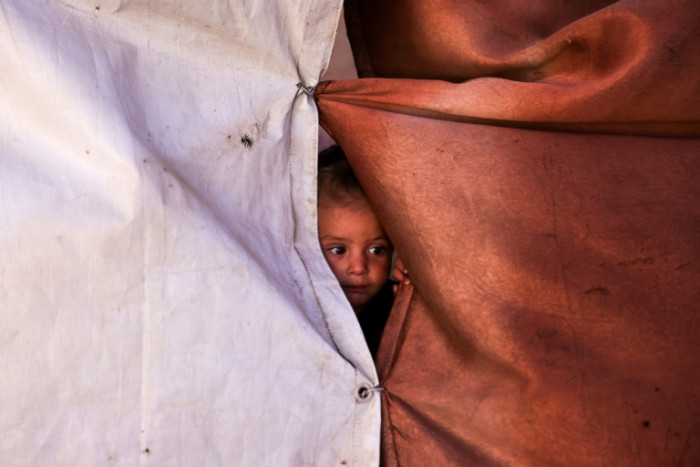
AFP journalists documented the plight of 62-year-old Hiam Muqdad’s family in Gaza City, living in tents beside their ruined home. “When they said there was a truce, oh my God, a tear of joy and a tear of sadness fell from my eye,” Muqdad told AFP. “The child’s dream is gone.”
Hamas Resistance to Disarmament
Hamas lead negotiator Khalil Al-Hayya stated the group’s weapons are “linked to the presence of the occupation and aggression,” suggesting disarmament would only follow complete Israeli withdrawal. The militant group has launched a crackdown on rival Palestinian armed factions while resisting immediate disarmament demands.
US officials remain optimistic the ceasefire will hold if Hamas agrees to disarm and transfer governance, with Rubio noting the stabilization force aims to eventually demilitarize all of Gaza.