

Key Takeaways
- Vibe coding enables non-tech professionals to build applications through conversational AI
- Google CEO Sundar Pichai calls it the “next great equaliser” in technology careers
- HR, accounting professionals already creating functional apps with AI tools
- Current limitations exist for security-critical systems, but rapid improvements expected
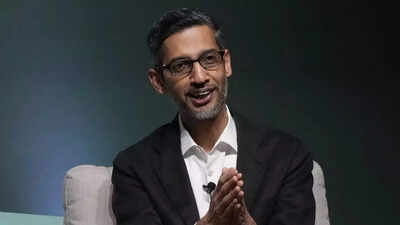
Google CEO Sundar Pichai has identified vibe coding as a transformative force that could democratize technology careers for non-technical graduates. This AI-assisted approach allows individuals to build functional applications through simple conversational prompts rather than traditional programming languages.
The Rise of AI-Assisted Coding
In a recent Google for Developers podcast interview, Pichai emphasized how AI coding tools are dismantling traditional barriers to software development. “It feels so delightful to be a coder in this moment,” he remarked, noting the technology makes coding accessible regardless of educational background.
The shift is already transforming workplaces across industries. HR professionals, accountants and other non-technical workers are leveraging tools like ChatGPT, Gemini, Claude, and Replit to create functional applications.
Workplace Transformation Underway
Pichai explained that vibe coding enables employees to move beyond verbal descriptions and actually demonstrate working prototypes. At Google, he noted a sharp increase in employees submitting their first code modifications.
The CEO practices what he preaches, personally using Cursor and Replit to build custom webpages. The trend extends across Silicon Valley, with Meta’s product managers creating prototypes for Mark Zuckerberg. Microsoft and Amazon also encourage AI-assisted coding, with AI usage becoming a performance evaluation factor.
Limitations and Future Outlook
Pichai tempered optimism with practical caution, acknowledging vibe coding remains inappropriate for large, security-critical codebases where precision is paramount. Mission-critical systems still require rigorous developer oversight.
However, his long-term outlook remains decidedly optimistic. He emphasized current capabilities represent merely the starting point. “It’s both amazing to see, and it’s the worst it’ll ever be,” Pichai told the podcast, expressing excitement about future innovations from developers worldwide.


