

Key Takeaways
- Apple may outsource entry-level M-series chip production to Intel starting 2027
- Intel’s 18AP process would power chips for MacBook Air and lower-end iPads
- Potential annual supply of 15-20 million units once production stabilizes
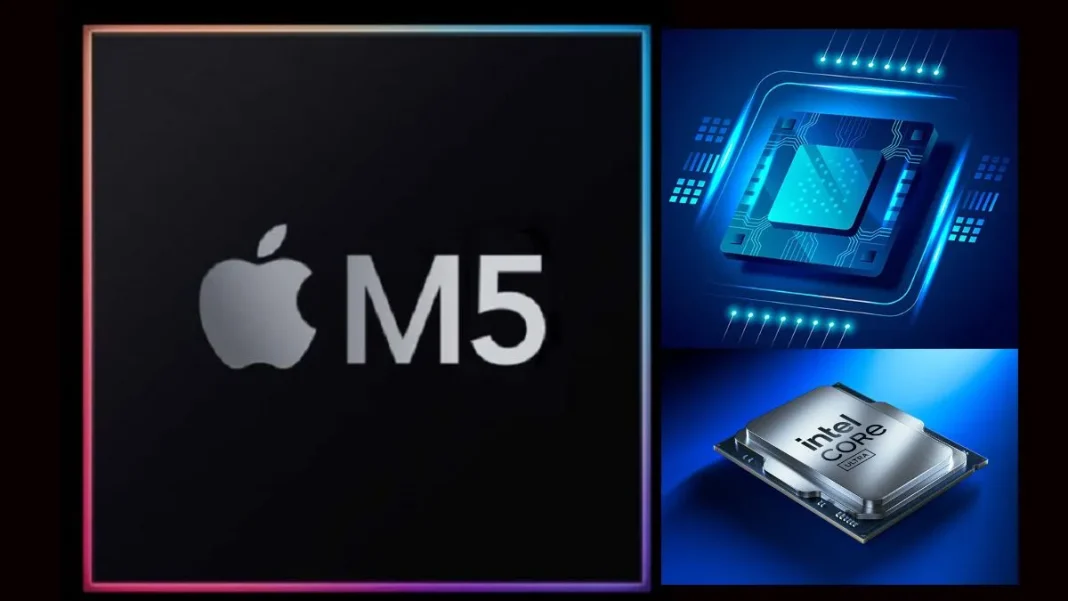
Apple is reportedly planning a major shift in its chip manufacturing strategy, with Intel potentially producing entry-level M-series processors from 2027 onward. According to analyst Ming-Chi Kuo, the two companies have already signed a non-disclosure agreement granting Intel access to Apple’s 18AP process development kit.
Intel’s Entry Into Apple’s Chip Supply Chain
This would mark Apple’s most significant outsourcing move since transitioning from Intel processors to its own Apple Silicon in 2020. Currently, all M-series chips including M1, M2, and M3 families are exclusively manufactured by TSMC.
Kuo revealed on X that Intel is preparing for volume production of Apple’s lowest-tier M-series processors destined for products like MacBook Air and entry-level iPads. While not the most premium chips, these represent a substantial portion of Apple’s high-volume consumer sales.
Production Timeline and Capacity
Intel plans to manufacture these chips using its future 18AP process node. The design kit versions 1.0 and 1.1 are expected to be completed by early 2026, enabling mass production to begin the following year. Once the process stabilizes, Intel could supply Apple with 15-20 million units annually.
Strategic Shift in Apple’s Manufacturing
This potential move represents a notable reversal for Apple, which had dramatically shifted to ARM-based Apple Silicon in 2020, delivering significant performance and battery efficiency improvements across Mac devices. The partial return to Intel signals Apple’s growing need to diversify production beyond TSMC amid increasing global foundry competition.
Intel’s Foundry Ambitions
Intel’s 18AP node is part of the company’s broader strategy to compete with TSMC and Samsung in chip manufacturing. Still under development, the technology could reach mass production by mid to late 2027. Apple’s potential partnership would provide a major boost to Intel’s foundry business and could reshape chipmaking dynamics for the coming decade.


