

India’s Batting Collapse Exposes BCCI’s Domestic Cricket Contradictions
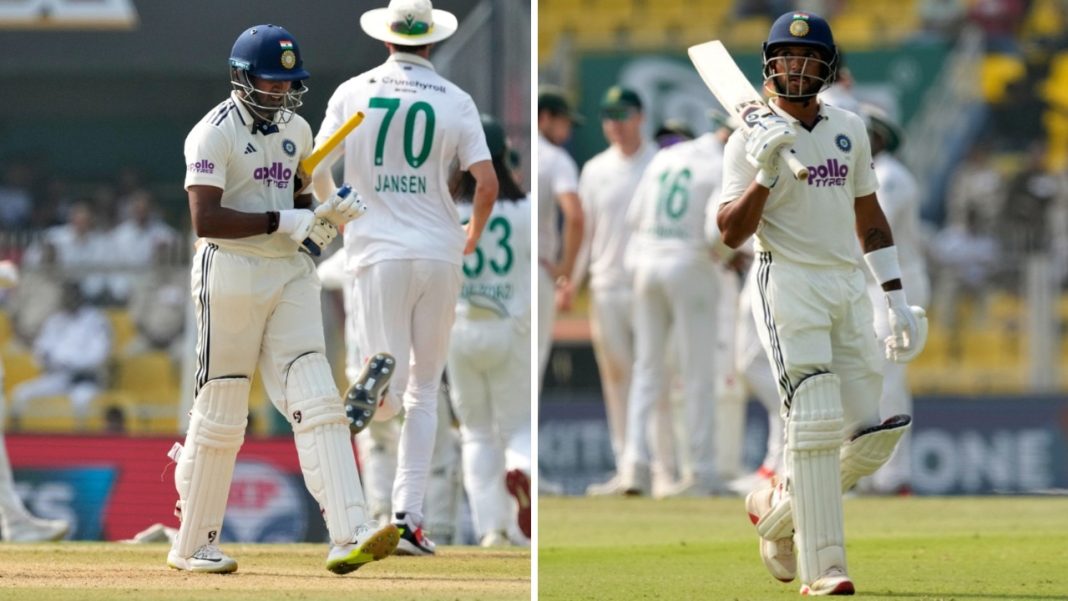
India’s dramatic batting collapse in Guwahati has raised serious questions about the BCCI’s selection philosophy and commitment to domestic cricket. On a batting-friendly surface described as a ‘road’ by Kuldeep Yadav, India folded for 201, handing South Africa control of the Test and potentially the series.
Key Takeaways
- India collapsed to 201 on a batting-friendly pitch in Guwahati
- Selection priorities questioned despite BCCI’s domestic cricket promises
- Experienced domestic performers continue to be overlooked
- Team balance skewed heavily toward youth over experience
The Domestic Disconnect
While the BCCI consistently emphasizes the importance of Ranji Trophy cricket, selection patterns tell a different story. Established domestic performers with impressive first-class records remain on the sidelines while less experienced players get opportunities.
The statistics highlight this selection paradox:
- Sai Sudharsan: 38 FC matches, average 39.41
- Dhruv Jurel: 31 matches, average 55.71
- Karun Nair: 125 matches, average 50.41
- Sarfaraz Khan: 60 matches, average 63.15
Despite their consistent domestic performances, players like Nair and Sarfaraz continue waiting for Test opportunities that once would have been automatic for such records.
Tactical Meltdown in Guwahati
The partnership between Washington Sundar and Kuldeep Yadav demonstrated proper Test match batting – patience, clarity and occupying the crease. Their 62-run stand across 35 overs highlighted what the top order lacked.
Instead, India lost three wickets in 13 balls through poor decision-making. Sudharsan repeated previous dismissal patterns, Jurel fell to a baited short ball before tea, and Rishabh Pant’s charge down the track ignored match situation demands.
Experience Versus Youth Debate
Test cricket demands temperament and resilience that often comes with experience. India’s current selection approach appears heavily weighted toward future-building at the expense of proven domestic performers.
The question remains: would seasoned campaigners like Nair or Sarfaraz have made similar errors? Their career records suggest otherwise, built on years of grinding first-class cricket that teaches survival and adaptation.
Way Forward for Indian Cricket
India, as a cricketing powerhouse, cannot afford to sacrifice current results for uncertain future gains. The team needs the right blend of youth and experience rather than treating Test cricket as an extended development project.
Talent identification is crucial, but temperament remains the decisive factor in Test match success. The Guwahati collapse suggests India may be overlooking this fundamental truth in their selection strategy.