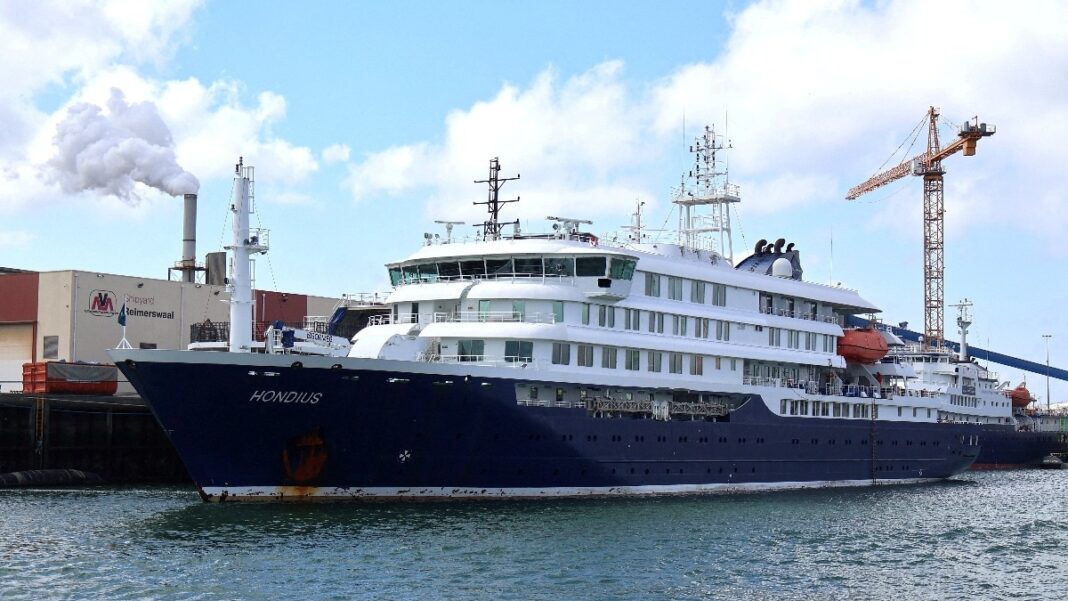
Three passengers are dead and several others are seriously ill after a suspected hantavirus outbreak aboard the MV Hondius, a cruise ship sailing in the Atlantic Ocean.
The World Health Organisation (WHO) has confirmed one case and is investigating five others, putting a rare but devastating virus under the microscope.
The development raises the obvious question. What is hantavirus, and should we be worried?

WHAT IS HANTAVIRUS?
Hantavirus is a family of viruses carried by rodents and passed to humans primarily through contact with infected animals’ faeces, saliva, or urine.
Early symptoms include fever, headache, muscle aches, nausea, and fatigue. But the virus can rapidly turn lethal, causing the lungs to fill with fluid and trigger internal bleeding.
There are two main forms of the disease.
In the Americas, the predominant concern is Hantavirus Pulmonary Syndrome (HPS), which attacks the respiratory system.

In Europe and Asia, the virus more commonly causes haemorrhagic fever with renal syndrome, which affects the kidneys, with a case fatality rate ranging from less than 1% to 15%.
HPS is considerably deadlier, putting about 38% of people who develop respiratory symptoms at the risk of death, according to the CDC, and the mortality rate could be higher in elderly or immunocompromised patients.
DOES HANTAVIRUS HAVE A CURE?
One of the most alarming facts about hantavirus is that there is no specific treatment.
Patients who contract the virus mostly just receive supportive care, which includes rest, hydration, and treatment of symptoms.
Those with severe breathing difficulties may need to be intubated. In the most critical cases, patients are placed on machines that oxygenate the blood externally.

The incubation period adds another layer of danger.
From the time the virus is first inhaled, symptoms typically appear within two to three weeks, though the window can stretch from one to eight weeks.
SHOULD INDIA BE WORRIED?
India is not considered a high-risk country for hantavirus, but it is not immune either.
Scientific evidence of the virus has existed in India for decades, and a multi-institutional study confirmed 28 cases of infection among patients with chronic renal disease, warehouse workers, and rodent trappers in Tamil Nadu.
People who live and work in proximity with rodents face the greatest risk. For most Indians, the immediate threat from the cruise ship outbreak is negligible, but experts say the virus is likely underdiagnosed, and greater awareness among doctors remains essential.
Person-to-person transmission of hantavirus is extremely rare, and experts have only observed it in outbreaks in Argentina and Chile.
The virus nonetheless made global headlines in March 2025 when the wife of Oscar-winning actor Gene Hackman died from a hantavirus-linked respiratory illness.
Now, with an active cluster aboard a ship carrying tourists from multiple countries, passengers who have since dispersed, health authorities are watching closely to see whether more cases emerge in the days and weeks ahead.