
9.1 C
Delhi
Friday, January 16, 2026

Chernobyl Fungus Eats Radiation, Could Shield Moon Bases

Key Takeaways

  • A black fungus from Chernobyl feeds on radiation, turning gamma rays into energy.
  • NASA is testing it as a lightweight shield for moon and Mars bases.
  • Wolves and frogs in the Exclusion Zone have evolved genetic protections against cancer.

Scientists have discovered a life form thriving on the deadly radiation left by the Chernobyl nuclear disaster. A black fungus not only survives but grows faster and moves towards radiation, offering potential breakthroughs for space exploration and medicine.

The fungus, Cladosporium sphaerospermum, was found growing on the walls of the abandoned reactor. Research shows specific strains can convert dangerous gamma rays into chemical energy, a process scientists call ‘radiosynthesis’.

From Chernobyl Walls to Space Shields

The key to the fungus’s ability is melanin, the same pigment found in human skin. While melanin usually blocks UV rays, in this fungus, it transforms gamma radiation into usable energy at the atomic level.

This discovery has captured NASA’s attention. On the International Space Station, the fungus grew 21 times faster when exposed to space radiation and effectively blocked it. Scientists are now developing ‘fungal bricks’ as lightweight, superior alternatives to lead for shielding moon and Mars bases.

The material could also help clean up nuclear waste sites on Earth.

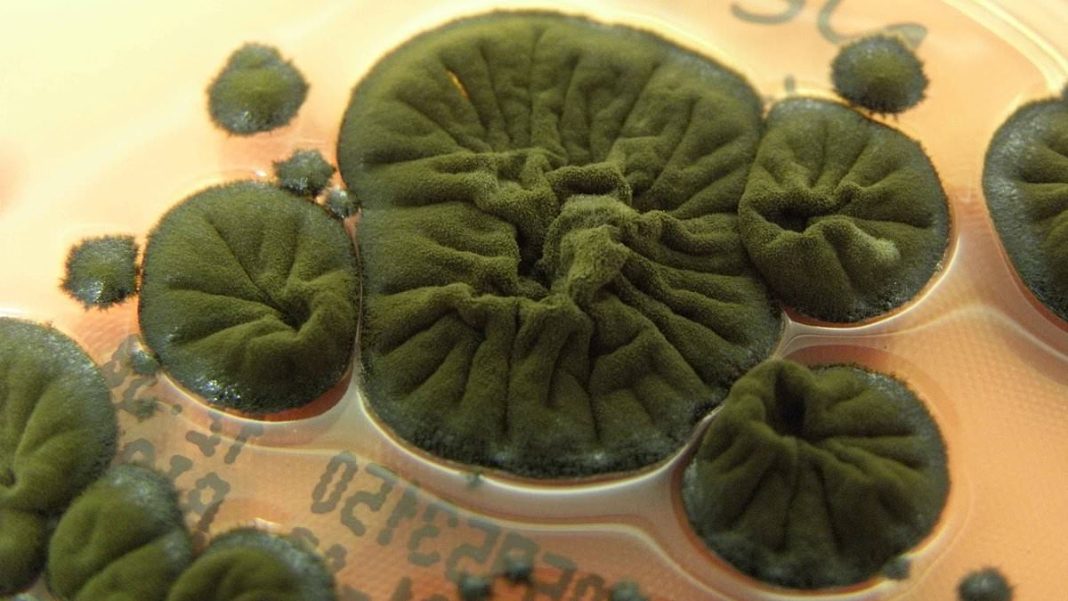
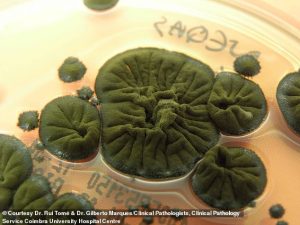
A dark green mold known as Cladosporium sphaerospermum has been found to feed on nuclear radiation, making it a potential building material for future moon bases

The Chernobyl Exclusion Zone: A Living Laboratory

The 1986 Chernobyl disaster created the largest uncontrolled release of radioactive material in history. The resulting 30-mile Exclusion Zone, though largely deserted by humans, has become an unexpected haven for wildlife.

This environment has forced rapid evolution. Studies reveal that wolves living in the zone have developed genetic mutations that appear to grant them resilience to cancer. Researchers from Princeton University, led by evolutionary biologist Cara Love, collected blood samples and used GPS collars with dosimeters to study these wolves in 2014.

The hope is that understanding these animal adaptations could lead to identifying protective genetic mutations in humans.

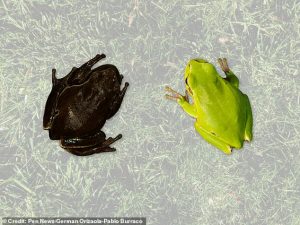
The frogs around the Chernobyl Exclusion Zone have become darker due to their bodies blocking out deadly radiation
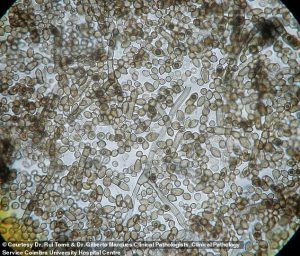
C. sphaerospermum under a microscope. The fungus has been found to turn dangerous gamma rays into energy

Melanin’s Protective Power

The story of adaptation extends to amphibians. Chernobyl’s tree frogs have evolved darker skin due to increased melanin. This change not only protects them but is passed to healthier offspring, creating a generational shield against radiation.

From a radiation-eating fungus to cancer-resistant wolves, life in Chernobyl is demonstrating remarkable resilience. These discoveries are turning a site of tragedy into a source of potential solutions for space travel, medicine, and environmental cleanup.

Latest

ISRO Grounds PSLV After Second Consecutive Launch Failure

PSLV launches halted after January 2026 failure destroys 16 satellites. Investigation begins as ISRO's 2026 schedule faces major delays.

KID Capsule Survives ISRO PSLV Rocket Failure, Transmits Data

Spanish Orbital Paradigm's experimental KID capsule became the lone survivor of a failed ISRO launch, transmitting crucial re-entry data after the PSLV malfunctioned.

Flash Fog in Delhi: Science Behind the Sudden Zero-Visibility Event

Understand how a sudden 'flash fog' engulfed Delhi-NCR in minutes on Makar Sankranti 2026, its causes, dangers, and why meteorologists warn it may happen again.

Mysterious Dying Star Creates Colourful Cosmic Shockwave

Astronomers are puzzled by a white dwarf star ejecting gas and creating a vibrant, long-lasting shockwave in space, defying current scientific explanations.

PSLV-C62 Failure: Why 16 Satellites Were Lost After Launch

An ex-ISRO engineer explains the third-stage anomaly that caused the PSLV-C62 mission to fail, detailing the fate of its 16 satellites including the Anvesha Earth observatory.

Topics

Delhi AQI Hits 354: Air Quality ‘Very Poor’ Amid Fog and Cold Wave

Delhi's air quality deteriorates to 'very poor' with AQI at 354. IMD predicts dense fog and cold wave conditions for North India. Get the latest updates.

India’s Scramjet Success: Why Fighter Jets Still Use Conventional Engines

India joins the hypersonic club with scramjet tech. We explain why this breakthrough won't power fighter jets yet and what it means for missiles and space travel.

Mustafizur Rahman Visa Row: A Strategic Signal in India-Bangladesh Ties

How India's visa denial to a Bangladeshi cricketer reflects a broader, more assertive foreign policy under S. Jaishankar and impacts bilateral relations.

15 Hindus Killed in Bangladesh in 45 Days, Rights Group Reports

A rights group reports escalating violence against Hindus in Bangladesh, with 15 killed in 45 days. Urgent government action and legal reforms are demanded.

Why Pakistan is Trapped Between Saudi Arabia and UAE Rivalry

Analysis of how Saudi-UAE competition for influence leaves Pakistan in a diplomatic bind, impacting its economy and regional stability.

Trump’s Greenland Push Tests NATO Unity Ahead of Election

Donald Trump's serious interest in buying Greenland highlights a transactional foreign policy that could fracture NATO at a critical time for global security.

Trump’s Greenland Purchase Interest Sparks Diplomatic Row with Denmark

US President confirms interest in buying Greenland, but Denmark and Greenland firmly reject the idea. Explore the strategic reasons and the criticism behind the move.

Machado Meets Trump, Gifts Nobel Replica in Venezuela Power Play

Barred Venezuelan opposition leader María Corina Machado's strategic meeting with Donald Trump aims to maintain pressure on Maduro ahead of the July election.
spot_img

Related Articles

Popular Categories

spot_imgspot_img