

Key Takeaways
- Scientists successfully transplanted the first human kidney converted to universal blood type O
- The enzyme-based technique eliminates blood-type compatibility barriers in organ transplantation
- Initial human trial showed promising results with minimal immune rejection
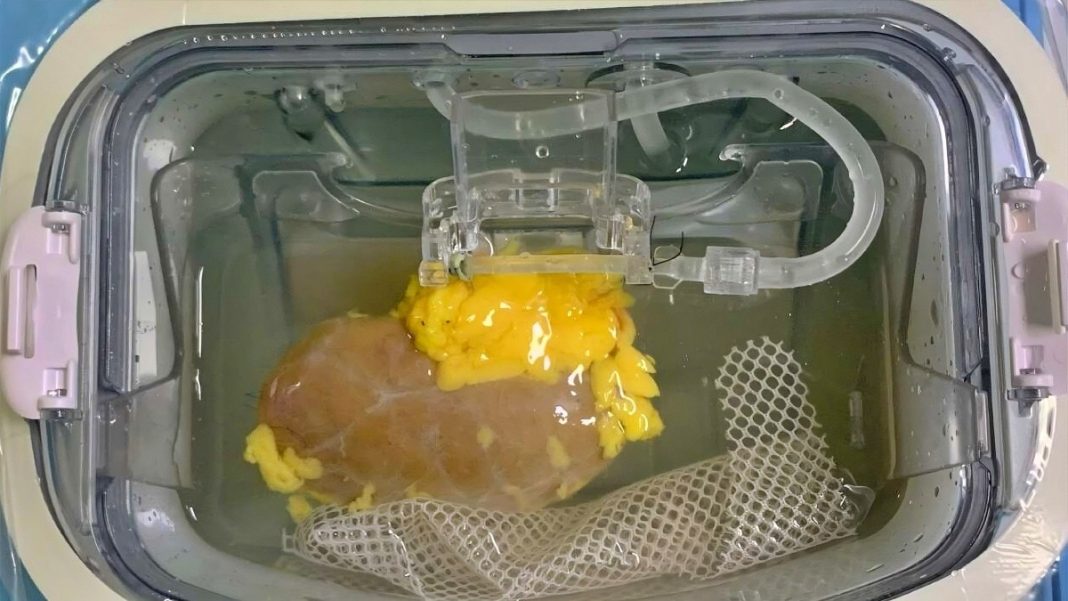
In a medical breakthrough, researchers have successfully transplanted a human kidney converted from blood type A to universal type O for the first time. This landmark achievement could revolutionize organ transplantation by removing one of medicine’s biggest barriers – blood type compatibility.
How the Universal Kidney Conversion Works
The innovation centers on two special enzymes discovered in 2019 by University of British Columbia chemist Dr. Stephen Withers and his colleague Dr. Jayachandran Kizhakkedathu. These enzymes function as molecular scissors that remove the sugar molecules defining blood type A, revealing the neutral type O surface underneath.
Essentially, this modification makes the organ appear universally compatible to any recipient’s immune system – changing the organ rather than the patient.
Human Trial Results and Findings
In the first human test, researchers transplanted an enzyme-converted kidney into a brain-dead recipient with family consent. For two days, the kidney functioned normally with no signs of hyperacute rejection – the severe immune response that typically destroys incompatible organs within minutes.
Although some blood-type markers resurfaced on the third day, triggering only a mild immune reaction, researchers noted the immune system appeared to begin tolerating the organ, indicating promising potential for the technique.
Addressing Critical Donor Shortages
The implications are substantial for addressing organ donor shortages. Patients with type O blood constitute over half of global kidney waitlists but can only receive organs from type O donors. These universally compatible kidneys are rare and often allocated to other recipients, forcing type O patients to wait two to four years longer than others – with many dying before receiving a transplant.
Converting donor organs to type O could dramatically expand the donor pool, significantly reduce waiting times, and save thousands of lives annually.
International Collaboration and Future Development
This breakthrough follows years of international collaboration between UBC, West China Hospital in Chengdu, and Vancouver-based biotech company Avivo Biomedical, which will now lead clinical development.
“This is what it looks like when years of fundamental research finally reach the patient’s bedside,” said Dr. Withers. “The potential to make every donor organ universal could transform transplant medicine forever”.