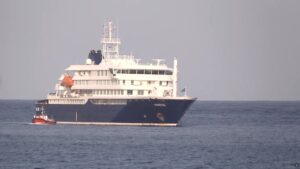
A luxury cruise ship is stranded off the coast of West Africa, three passengers are dead, and nearly 150 people remain trapped on board.
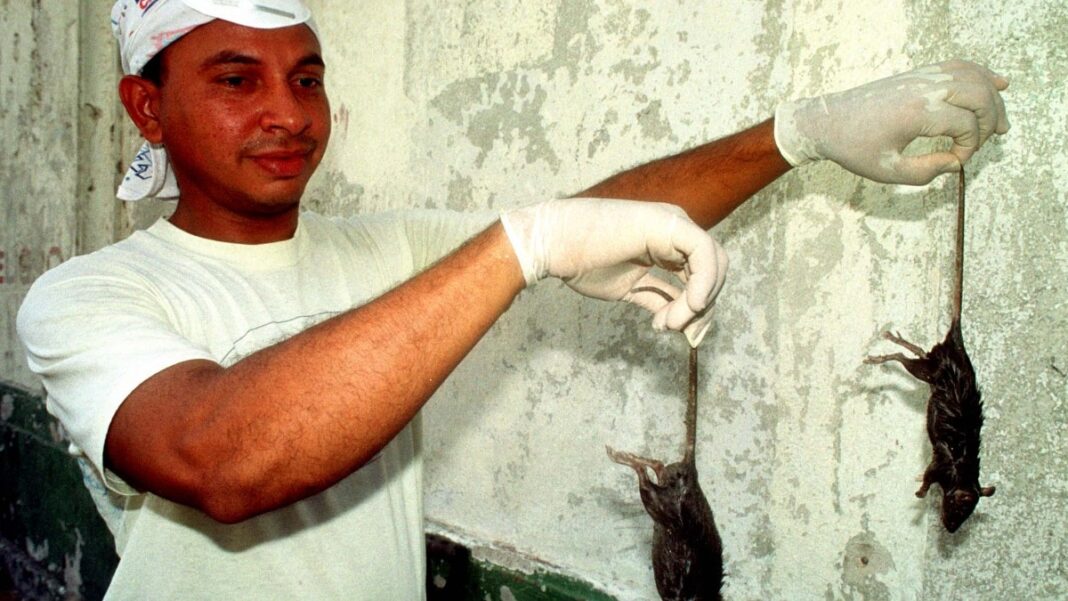
The culprit is hantavirus, a rare but deadly infection spread by rodents that somehow found its way onto a ship in the middle of the Atlantic Ocean.
But as alarming as the situation aboard the cruise ship is, scientists say it is not just a story about one ship or one virus.
Instead, it is the latest chapter in a much older and far more widespread problem. It’s about diseases that begin in animals and end up in humans. These diseases are called zoonotic diseases, and they have been shaping, and ending, human lives for centuries.

WHAT ARE ZOONOTIC DISEASES?
Zoonotic diseases are infections that originate in animals and find their way to humans.
Hantavirus is one of them as it is a group of rodent-borne viruses typically transmitted through contact with contaminated environments, including inhalation of small dust particles contaminated with rodent urine, droppings, or saliva.
In other words, you don’t need to be bitten by a rat. Simply breathing in dust from a space where infected rodents have been can be enough to get sick.
And once infected, the odds are not reassuring.

In the Americas, hantavirus pulmonary syndrome (HPS) has a reported case fatality rate of approximately 30 to 40%, highlighting the seriousness of infection once symptomatic, according to the Centers for Disease Control and Prevention.
The infamous coronavirus that brought the world to a standstill in 2020 is also believed to have originated from animals.
HOW DO ZOONOTIC DISEASES SPREAD?
For most zoonotic diseases, the chain of transmission runs from animal to human but not from human to human.
Hantavirus follows this rule.
The transmission can happen in many ways. A bite, a scratch, contact with an infected animal’s waste, or simply breathing in contaminated air.
Wherever humans and animals share space, the conditions for a zoonotic spillover exist.

Unlike respiratory viruses such as influenza or COVID-19, hantaviruses are not typically spread from person-to-person.
However, direct human transmission has been documented for one hantavirus, the Andes virus, under conditions of prolonged, close contact. The Andes virus is endemic to Argentina, where the cruise ship departed three weeks ago.
That detail alone has scientists paying close attention to the developing situation aboard the ship.
“This incident highlights how zoonotic viruses can emerge in confined or highly connected settings such as cruise ships,” said Emma Thomson from the University of Glasgow Centre for Virus Research. “The key concern in this situation is the possible involvement of Andes virus, which is the only hantavirus known to transmit between humans, particularly in close-contact settings.”
This new cluster outbreak aboard the cruise ship has triggered wider concerns about how zoonotic threats can surface in everyday settings.
As Prof Scott C Weaver of The University of Texas Medical Branch said: “This incident is not indicative of a widespread travel risk, but it is a clear example of how zoonotic viruses that come from wildlife exposure can surface in confined or connected settings.”

LATEST UPDATES ON HANTAVIRUS OUTBREAK
The situation aboard the MV Hondius is evolving rapidly.
Specialised aircraft are en route to evacuate two symptomatic crew members. They both, one British and one Dutch, will be taken to a hospital in the Netherlands, after which the ship is expected to set sail for Spain’s Canary Islands, either Gran Canaria or Tenerife, a journey of roughly three days.
Spain’s health ministry confirmed that upon the ship’s arrival, the “crew and passengers will be duly examined, cared for, and transferred to their respective countries.”
The WHO has also raised a new and significant concern about possible human-to-human transmission on board, Maria Van Kerkhove, the director of epidemic and pandemic preparedness and prevention at the WHO, told reporters.
As a precaution, all remaining passengers have been instructed to stay in their cabins. The WHO maintains that the overall risk to the wider public remains low.