

Key Takeaways
- Chimpanzees make rational decisions by weighing evidence quality, similar to humans
- They update their choices when presented with stronger new evidence
- Study reveals advanced cognitive abilities in our closest living relatives
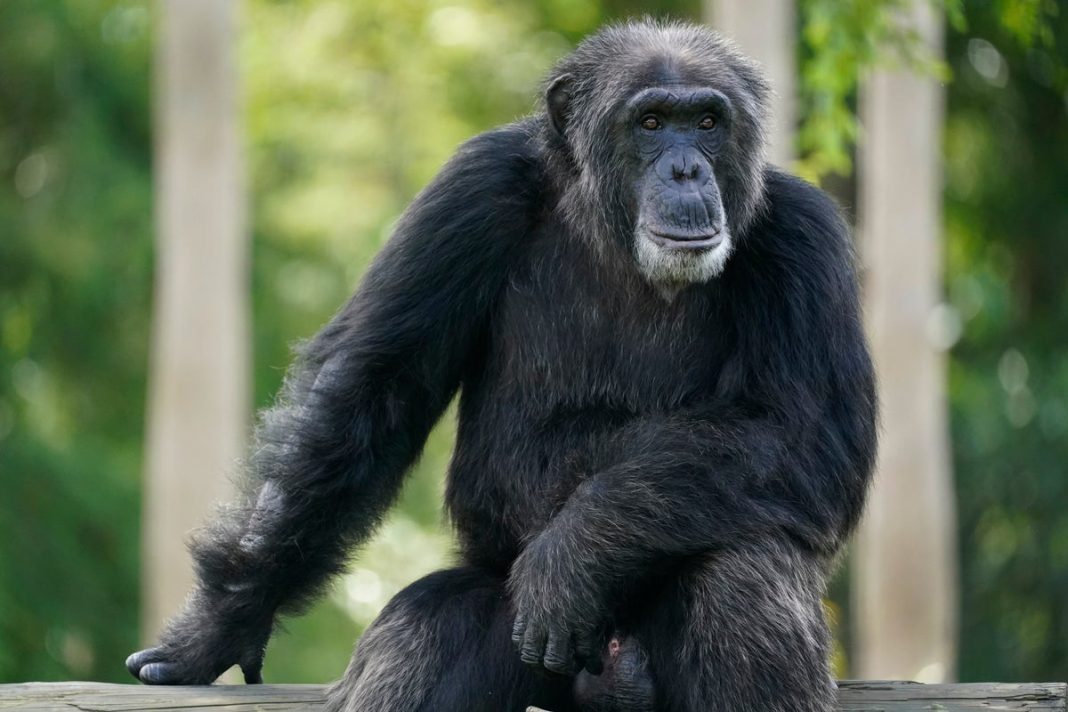
Chimpanzees possess human-like rational decision-making abilities, critically assessing evidence quality before making choices, according to groundbreaking research published in Science journal. The study demonstrates that our closest living relatives can update their conclusions when presented with stronger evidence.
Experimental Design
Researchers presented chimpanzees with two boxes, one containing food. They provided initial evidence about the treat’s location through methods like shaking the box to produce sound or directly revealing contents. After the primates made their initial choice, scientists introduced new evidence to test their decision-making flexibility.
Evidence-Based Decision Making
The findings revealed chimpanzees stick with their original choice when initial evidence remains stronger. However, they readily switch boxes when presented with more compelling new evidence. Crucially, the primates recognized when clues were misleading – such as discovering a box contained only a food picture – and understood the initial evidence was invalid.
Expert Insights
Dr Esther Herrmann, senior author from the University of Portsmouth, stated: “Our findings reveal that humans aren’t the only ones who make rational decisions based on evidence – chimpanzees, our closest living relatives, also weigh the strength and quality of the evidence before making decisions.”
Professor Josep Call from the University of St Andrews, co-author of the international study involving Utrecht University and UC Berkeley, added: “This study opens a new avenue of research into the psychological mechanisms underlying decision-making in chimpanzees.
“Together with previous work on bargaining games, it contributes to portray chimpanzees as rational decision-makers.”