

5.1 C
Delhi
Friday, January 16, 2026

Solar Storm at 3.24 Million Kmph Triggers Global Auroras and Satellite Alerts

Key Takeaways

  • Solar winds at 3.24 million kmph triggered major geomagnetic storms and global auroras
  • Three consecutive CMEs created a “Cannibal CME” that amplified the storm’s intensity
  • Storm levels reached G3 (Strong) with potential for G4-G5 conditions
  • Auroras visible across 48 US states and as far south as Gulf of Mexico
  • No major infrastructure damage reported, but satellites and GPS systems monitored

Earth experienced a spectacular celestial event as solar winds traveling at 3.24 million kilometers per hour collided with our planet’s magnetic field. The impact triggered intense geomagnetic storms and created breathtaking auroral displays visible across much of the world.

Storm Intensity and Warnings

Over the past 48 hours, three powerful coronal mass ejections (CMEs) struck Earth in rapid succession. Space weather monitors recorded storm levels fluctuating between G1 (Minor) and G3 (Strong) categories, with solar wind speeds exceeding 900 km/s.

The US National Oceanic and Atmospheric Administration (NOAA) issued warnings for continued geomagnetic activity, noting potential for severe G4-class storms through November 13. The UK Met Office escalated concerns with an extreme G5 watch, indicating conditions could briefly reach the highest disturbance levels.

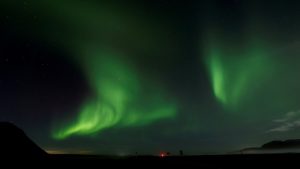
Northern Lights, also called aurora borealis, illuminate the night sky near the town of Thorlakshofn. (Photo: Reuters)

Global Aurora Display

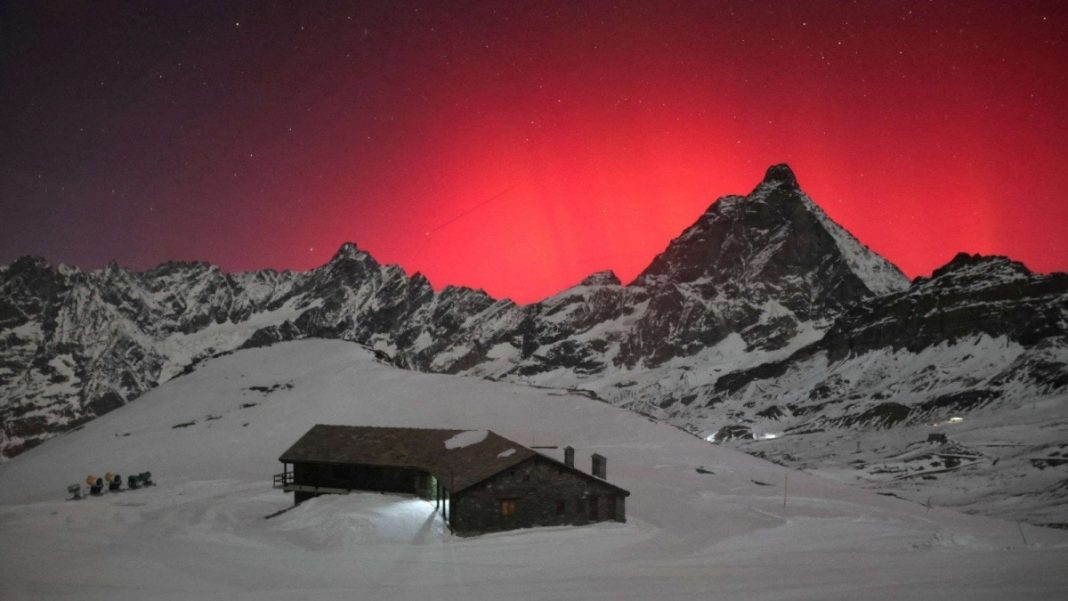
The geomagnetic storms produced one of the most extensive aurora displays in recent memory. The Northern Lights illuminated skies across almost the entire North American continent, with vivid ribbons of pink, green, and violet light visible from the Arctic Circle to the Gulf of Mexico.

Observers reported sightings in at least 48 US states, with only Hawaii and cloud-covered Oregon missing the celestial spectacle. The event demonstrated the widespread impact of solar activity on Earth’s atmosphere.

Cannibal CME Phenomenon

Researchers attribute the intense solar activity to back-to-back CMEs that erupted from the Sun and collided en route to Earth on November 11. The merging eruptions formed what scientists call a “Cannibal CME” – a fast-moving magnetic cloud that consumes slower-moving solar material ahead of it.

This collision amplified the storm’s potency when it reached Earth’s magnetic shield, creating both the dramatic light show and potential technological disruptions.

Infrastructure Impacts

While geomagnetic storms of this magnitude can disrupt power grids, GPS systems, and satellites, no major outages have been reported so far. Engineers are closely monitoring satellite health and high-frequency communication systems as the solar wind continues to rage.

Forecasters caution that both the auroral displays and magnetic turbulence may continue for another day or two. The event highlights Earth’s magnetic resilience while demonstrating the ongoing need for space weather monitoring and preparedness.

Latest

ISRO Grounds PSLV After Second Consecutive Launch Failure

PSLV launches halted after January 2026 failure destroys 16 satellites. Investigation begins as ISRO's 2026 schedule faces major delays.

KID Capsule Survives ISRO PSLV Rocket Failure, Transmits Data

Spanish Orbital Paradigm's experimental KID capsule became the lone survivor of a failed ISRO launch, transmitting crucial re-entry data after the PSLV malfunctioned.

Flash Fog in Delhi: Science Behind the Sudden Zero-Visibility Event

Understand how a sudden 'flash fog' engulfed Delhi-NCR in minutes on Makar Sankranti 2026, its causes, dangers, and why meteorologists warn it may happen again.

Mysterious Dying Star Creates Colourful Cosmic Shockwave

Astronomers are puzzled by a white dwarf star ejecting gas and creating a vibrant, long-lasting shockwave in space, defying current scientific explanations.

PSLV-C62 Failure: Why 16 Satellites Were Lost After Launch

An ex-ISRO engineer explains the third-stage anomaly that caused the PSLV-C62 mission to fail, detailing the fate of its 16 satellites including the Anvesha Earth observatory.

Topics

Trump’s Greenland Purchase Interest Sparks Diplomatic Row with Denmark

US President confirms interest in buying Greenland, but Denmark and Greenland firmly reject the idea. Explore the strategic reasons and the criticism behind the move.

Machado Meets Trump, Gifts Nobel Replica in Venezuela Power Play

Barred Venezuelan opposition leader María Corina Machado's strategic meeting with Donald Trump aims to maintain pressure on Maduro ahead of the July election.

Princess Leila Pahlavi: The Shah’s Daughter Who Died Alone in Exile

The tragic story of Iranian Princess Leila Pahlavi, who fled the 1979 revolution and died by suicide at 31, revealing the human cost of political upheaval.

Zomato’s Viral Job: Rs 25 Lakh Salary for 1-3 Years Experience in Bengaluru

A Zomato job listing offering Rs 25 lakh salary, Rs 20 lakh ESOP, and daily food credits for a role needing just 1-3 years experience goes viral, sparking debate.

India to Evacuate Citizens from Iran; First Flight from Tehran Tomorrow

MEA prepares evacuation flights for Indians in Iran amid Iran-Israel conflict. First flight from Tehran to Delhi scheduled. Embassy issues urgent travel advisory.

Australia Social Media Ban: 5 Million Kids’ Accounts Deleted in a Month

Australia's new social media ban leads to removal of nearly 5 million under-14 accounts. Learn about the law, enforcement, and the debate it has sparked.

Rising Memory Chip Prices Threaten Profits for Apple, HP, Dell

Morgan Stanley warns investors as increasing DRAM and NAND flash costs squeeze margins for major tech hardware companies, reversing a years-long tailwind.

Mumbai Markets Closed for BMC Elections, Zerodha CEO Calls It Poor Planning

Zerodha CEO Nithin Kamath criticises weekday market closure for Mumbai elections, highlighting economic costs and missed trading opportunities as Asian markets rally.
spot_img

Related Articles

Popular Categories

spot_imgspot_img
