For The First Time, New Labour Codes Bring Gig & Platform Workers Into Social Security Net
India’s gig and platform workers will now receive social security benefits under the new labour codes, marking a historic shift for millions in the unorganized sector.
Key Takeaways
- Gig and platform workers now eligible for life, health, maternity, and provident fund benefits
- Aggregators must contribute 1-2% of annual turnover to social security funds
- Both central and state governments to frame specific social security schemes
- Operating costs for platforms expected to rise by Rs 2-3 per order
The Code on Social Security, 2020 formally recognizes “aggregator,” “gig worker,” and “platform worker” as new categories eligible for social security coverage. This extends protection to workers who were previously excluded from traditional employment benefits.
What Social Security Benefits Include
Workers will be entitled to comprehensive coverage including accident and disability insurance, life and health cover, maternity support, old-age protection, crèche facilities, and skill development programs. The government is establishing dedicated social security funds specifically for unorganized, gig, and platform workers.
Aggregator Contributions
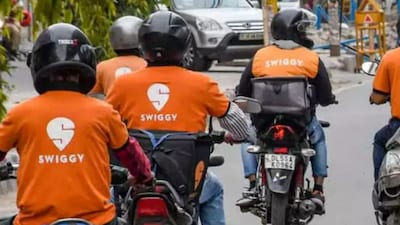
Platform companies like Swiggy, Ola, and Eternal will contribute 1-2% of their annual turnover toward these social security schemes, with contributions capped at 5% of payments made to workers.
“This is a significant attempt to extend structured social protection to workers who have historically been outside the net, while maintaining the legal distinction between gig work and traditional employment,” said Veena Gopalakrishnan, Partner – Labour and Employment at Trilegal.
Implementation Challenges
Experts note that gig workers won’t automatically qualify for benefits under existing EPF and ESI schemes. The real test will be in how central and state governments frame the implementing rules.
Rajashree Karnik Sarna of Grant Thornton Bharat explained that schemes may be funded by central and state governments, beneficiaries, employers, or even corporate social responsibility funds.
Financial Impact on Platforms
Brokerage analysts project the new requirements could increase operating costs by Rs 2-3 per order. For larger players, this translates to an additional Rs 150-200 crore in GMV-related costs.
Morgan Stanley estimates the impact at 4-10% of adjusted EBITDA across food delivery, quick commerce, and online service categories. Elara Securities warns of potential short-term demand softness as customers adjust to higher prices.
Currently, companies like Eternal (Zomato + Blinkit) and Swiggy already allocate approximately 1% of revenue toward partner benefits including accident and health insurance.