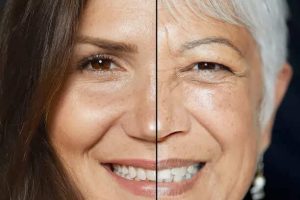
Most people start worrying about their skin when they see the first fine line that will not disappear or pigmentation that refuses to fade. But by the time those signs show up, the groundwork has already been laid years earlier. Skin does not suddenly age at 40. It responds to what you have been doing since 22. Dr. Abhishek Pilani, Founder: Assure Clinic, MD Dermatology, Hair Transplant & Restoration Specialist, shares insights on how you should take care of your skin as you age.
Your 20s are deceptive. Skin is firm, elastic, and forgiving. You can skip sleep, forget sunscreen, survive on caffeine, and your face still bounces back. Collagen levels are high, cell turnover is fast, and the skin barrier is strong. That resilience often creates a false sense of invincibility. The problem? Sun exposure, pollution, stress, and lifestyle damage are cumulative. They do not shout, they whisper. And they add up.
Daily sunscreen is not a cosmetic recommendation; it is long-term insurance. Ultraviolet exposure is responsible for most of the premature aging, uneven tone, fine lines, dullness, and loss of firmness. The pigmentation many people struggle with in their late 30s often began as unprotected sun exposure in their 20s.
The habit you build early makes a visible difference later.
The 20s are also about protecting your skin barrier. Over-exfoliating, constantly switching products, or chasing trends can weaken skin rather than improve it. Gentle cleansing, consistent hydration, and minimal but effective routines tend to outperform complicated regimens in the long run.
By the time you enter your 30s, the changes are subtle but real. Collagen production starts slowing down. Recovery from breakouts takes longer. Skin may look slightly less radiant, especially under stress. This is not the time for panic, it’s the time for strategy.
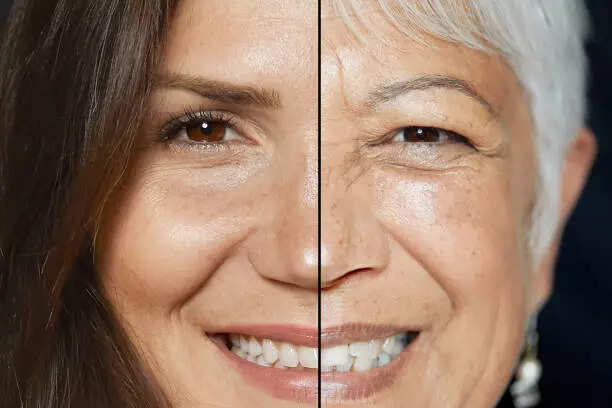
Introducing antioxidants like vitamin C can help counter environmental stress. Retinoids, when used correctly, support collagen and refine texture over time. Hydration becomes more intentional, not just for glow but for maintaining elasticity. Preventive dermatology in your 30s isn’t about dramatic procedures; it’s about maintaining what you already have.
Lifestyle plays a bigger role than most people admit. Chronic stress affects hormonal balance and skin repair. Irregular sleep reduces the skin’s ability to regenerate overnight. Diets high in sugar contribute to collagen breakdown through glycation, subtly impacting firmness over the years. Exercise, adequate water intake, and avoiding smoking aren’t just general health advice, they are visible skin investments.
The biggest misconception about anti-aging is that it starts with correction. In reality, it starts with consistency. The people who appear to age slowly often aren’t doing extreme treatments they simply started early, stayed consistent, and protected their skin before damage became visible.
Preventive dermatology is less about fear of wrinkles and more about respect for biology. Your skin remembers. It remembers every summer without sunscreen, every phase of neglect, and every good habit too. The choices you make in your 20s and 30s quietly determine how much intervention you’ll need later.
And the truth is simple, it’s always easier to preserve than to repair.