

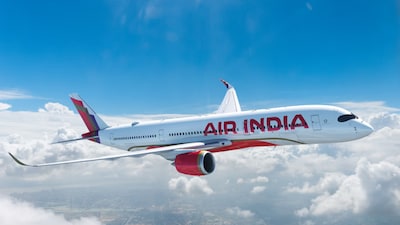
DGCA Grounds A320 Aircraft Until Critical Safety Checks Completed
India’s aviation regulator has issued an urgent directive requiring immediate inspection and replacement of a critical flight control component in Airbus A320-family aircraft, forcing airlines to ground affected planes until compliance is confirmed.
Key Takeaways
- DGCA mandates immediate ELAC computer inspection/replacement across A320 fleet
- Air India and IndiGo warn of flight delays and extended turnaround times
- No aircraft can operate until safety checks are completed
- Directive follows EASA emergency order after pitch-down incident
What Prompted the Safety Directive?
The Directorate General of Civil Aviation (DGCA) acted after the European Union Aviation Safety Agency issued an emergency airworthiness directive. This followed an incident where an Airbus A320 experienced an “uncommanded and limited pitch-down event” during flight.
Investigators found preliminary evidence of malfunction in the Elevator Aileron Computer (ELAC) B L104 unit, which controls the aircraft’s pitch and roll functions.
Aircraft Models Affected
The directive covers all major Airbus narrow-body aircraft operated in India:
- A319, A320, and A321 families
- Both CEO and NEO variants
- All serial numbers of these aircraft types
This indicates widespread safety concerns affecting most Indian carriers operating Airbus fleets.
Airlines Respond to Safety Mandate
Air India acknowledged the directive would cause operational disruptions. “This will result in a software/hardware realignment on a part of our fleet, leading to longer turnaround time and delays to our scheduled operations,” the airline stated.
IndiGo confirmed it was “proactively completing the mandated updates with full diligence and care, in line with all safety protocols” while warning passengers about potential schedule changes.
Technical Safety Concerns
The Elevator Aileron Computer is part of the Flight Control system (ATA 27) and plays a vital role in ensuring stable and safe flight by managing control-surface movements.
EASA warned that uncorrected faults could lead to “uncommanded elevator movement” severe enough to risk exceeding the aircraft’s structural limits.
Strict Compliance Required
The DGCA has made it clear that no aircraft covered under the directive may operate unless required inspections or modifications are completed. Airlines must immediately notify all operational divisions and update their Master Mandatory Modification Lists.
Indian operators must comply strictly with EASA timelines and procedures without any deviation, ensuring passenger safety remains the top priority.