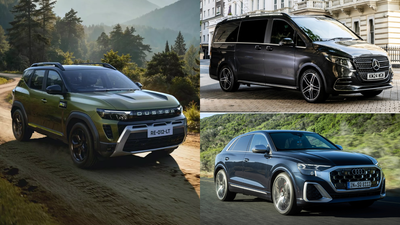
The Indian automobile industry saw steady activity in the first two months of 2026, with manufacturers announcing updates, new models and electric vehicle launches. Automakers have continued to respond to changing consumer demand and tighter emission standards, setting the pace for the year ahead. March is expected to see fewer launches compared to the opening months, but several models are still scheduled to enter the market. These include facelifts, all new models, luxury cars and new products. In this article, let’s take a look at Upcoming cars andSUVs launching in March 2026.
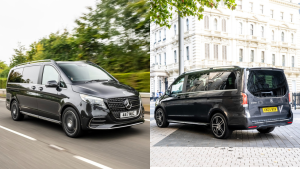
The first car on the list is the Mercedes-Benz V-Class luxury MPV scheduled to launch on March 3, 2026. Design-wise, the V-Class features a clean, boxy profile and a sculpted bonnet that flows into a prominent U-shaped front grille, complemented by a strong shoulder line along the sides. The rear design is upright, featuring a large glass area, and the wheel designs and bumper styling differ across variants.
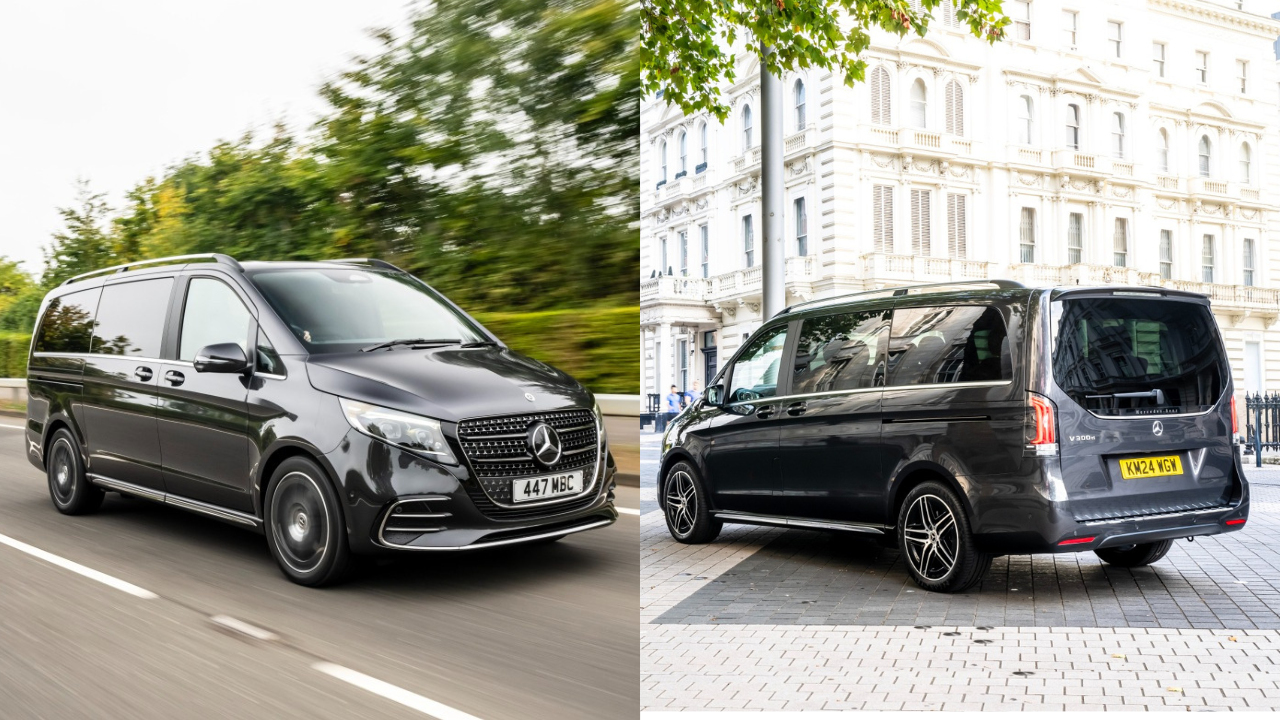
Moving inside, the V-Class features a familiar Mercedes layout with twin 12.3-inch displays – one for infotainment and one for the instrument cluster.
It gets tons of physical buttons with soft-touch surfaces, brushed accents, and neatly integrated controls, giving the cabin a well-finished feel. Where the V-Class truly stands out is in the rear cabin. In the fully loaded six-seat configuration, passengers in the second row get individual captain seats with a strong focus on comfort. These include powered adjustment with massage functions, heating and ventilation, a reclining backrest with an extendable footrest, and built-in storage spaces with ambient lighting. Other features include multi-zone climate control, multi-colour ambient lighting, Apple CarPlay/Android Auto, Nappa leather upholstery, Burmester sound system and more.
Globally, the V-Class is offered with a 2.0-litre, four-cylinder diesel turbo engine in two configurations – 220d, with 163hp and 380Nm, and the more powerful 300d, with 237hp and 500Nm. Both engines come paired with a 9-speed automatic transmission. It’s offered with both rear-wheel drive and all-wheel drive options. That said, it remains unclear whether Mercedes-Benz will offer both engine variants in India or limit the lineup to a single option. Globally, the V-Class is also offered in an all-electric variant, the EQV. Depending on market demand, Mercedes-Benz could consider introducing the all-electric version at a later stage.
The much-anticipated Renault Duster prices will be revealed on March 17, 2026. The pre-bookings for the new Duster are already open. Interested customers can pre-book and register their interest online or by visiting their nearest dealership. Prices are expected to start somewhere between 9-10 lakh (ex-showroom) and will compete with Tata Sierra, Kia Seltos, Hyundai Creta, Maruti Suzuki Grand Vitara, Maruti Victoris, Toyota Urban Cruiser Hyryder, Honda Elevate, and others in the highly competitive midsize SUV segment.
The new Renault Duster will be offered with three engine options – a 1.0-litre, 3-cylinder turbocharged petrol engine with 100 PS power and 160 nm torque paired with a 6-speed manual gearbox. Another engine is a 1.3-litre, 4-cylinder, turbocharged petrol with 163 PS power and 280 nm torque paired with a 6-speed DCT or a 6-speed manual. There’s also a bigger 1.8-litre strong hybrid petrol engine with 109 hp paired with a 49hp electric motor and a 20hp hybrid starter generator (HSG), paired with a 1.4kWh (280V) battery. Together, this configuration delivers a combined system output of 160hp and 172Nm.
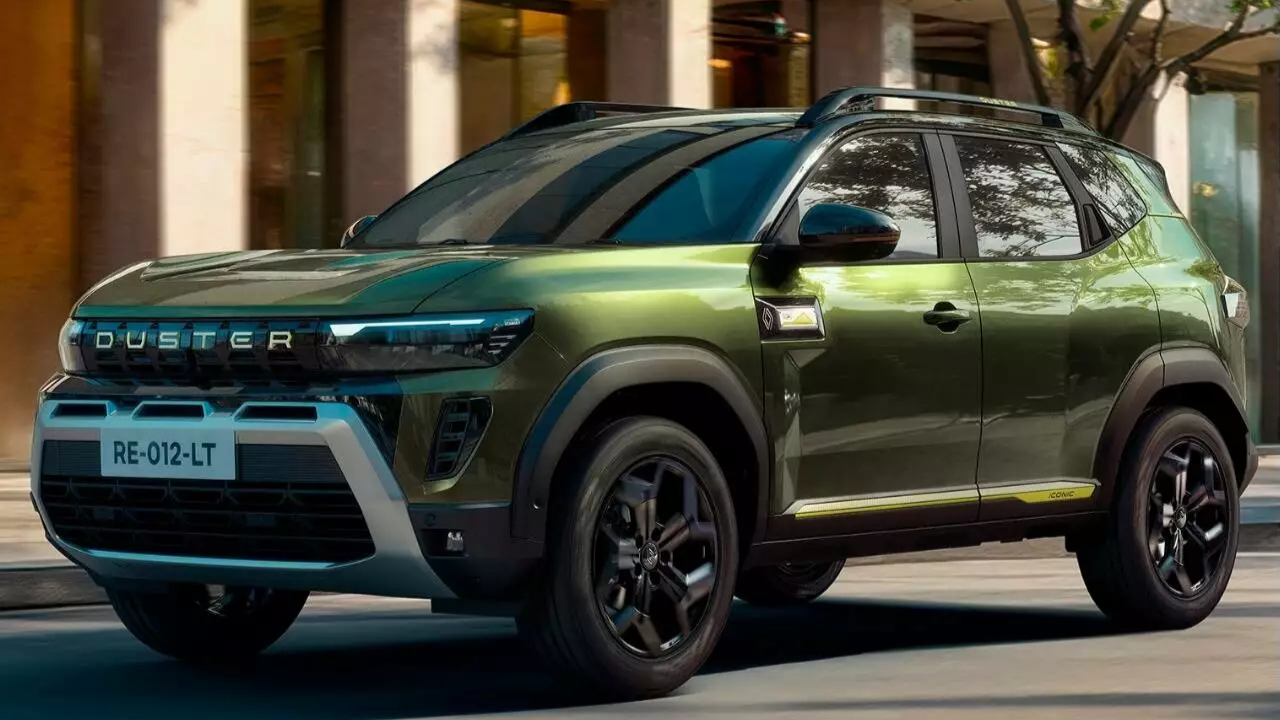
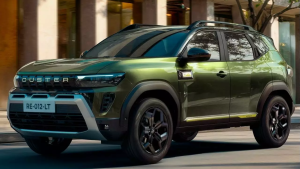
Design-wise, Renault has introduced India-specific design changes to the new-generation Duster while retaining the overall silhouette of the third-generation global model. The India-spec SUV gets redesigned headlamps with eyebrow-shaped LED daytime running lights that also function as turn indicators. It features a revised grille with prominent Duster badging, replacing the Renault logo, along with a front bumper that uses a protruding silver surround and pixel-style fog lamps.
Features include a 10.1-inch touchscreen infotainment with wireless Android Auto and Apple CarPlay, a 10.25-inch digital instrument cluster, a panoramic sunroof, a wireless phone charger, dual-zone climate control, a powered tailgate, 6-way powered and ventilated front seats, 48-colour ambient lighting, keyless entry with push button start/stop, multi-drive modes and more.
Next is the Audi SQ8, scheduled to launch on March 17, 2026. The new Audi SQ8 will be positioned between the standard Q8 and the range-topping RS Q8 in the company’s flagship SUV portfolio. It offers a mix of daily usability and performance, bridging the gap between the comfort-oriented Q8 and the more powerful RS Q8.
The upcoming Audi SQ8 will be powered by a 4.0-litre twin-turbo V8 engine, shared with the RS Q8, though in a lower state of tune. In the SQ8, the engine produces 507hp and 770Nm, compared to 640hp and 850Nm in the RS Q8. The standard Q8, by contrast, uses a 3.0-litre turbo-petrol engine generating 340hp and 500Nm. The SQ8 is paired with an eight-speed automatic transmission that sends power to all four wheels. The SUV can accelerate from 0 to 100kph in 4.1 seconds (claimed).
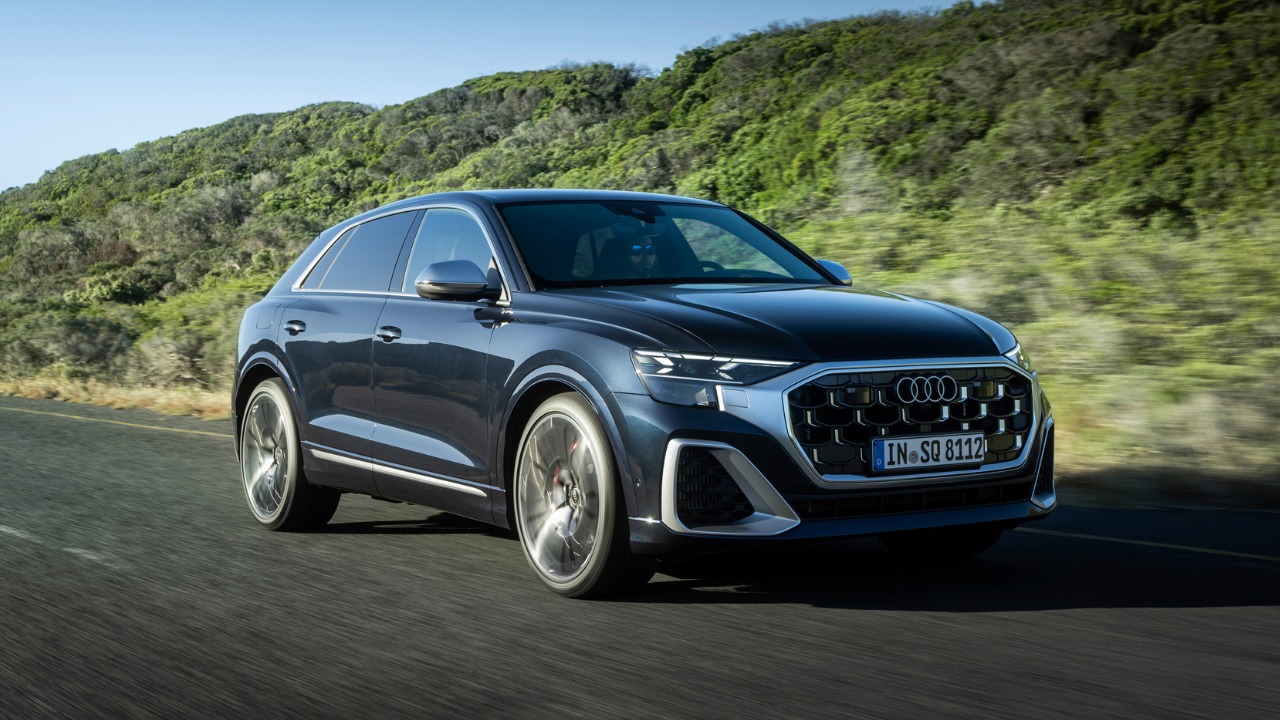
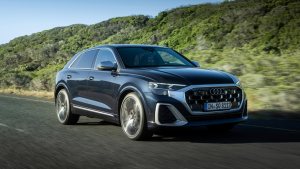
The Audi SQ8 builds on the coupe-SUV shape of the standard Q8, adding sport-oriented design changes. At the front, it features a large single-frame grille with a honeycomb pattern and darkened elements. LED headlamps with distinct daytime running light signatures sit on either side, while the revised bumper includes larger air intakes and sharper detailing.
Features-wise, the SQ8 gets twin 12.3-inch screens – one for the instrument cluster and infotainment system, B&O music system, steering wheel with S-line badging, S-spec graphics in the instrument cluster, wireless Apple CarPlay and Android Auto, connected car tech, multi-zone climate control, a panoramic sunroof, powered front seats with heating, ventilation and massage functions and more.
Next is the new Skoda Kushaq facelift; the production of the updated SUV has already commenced at the brand’s manufacturing facility in Chakan, Pune. The Pre-bookings for the new SUV are underway, and Interested customers can book the new Kushaq online or by visiting the nearest dealership.
Mechanically, there are no changes; it continues to get two engine options – a 1.0-litre, 3-cylinder, turbo petrol with 115 hp and 175 nm torque. Another engine is a 1.5-litre, 4-cylinder, turbo diesel with 150 hp and 250 nm. Gearbox options include only a 7-speed DSG for the 1.5. The smaller 1.0-litre gets a 6-speed manual, along with a new 8-speed torque converter auto, which replaces the 6-speed torque converter auto.
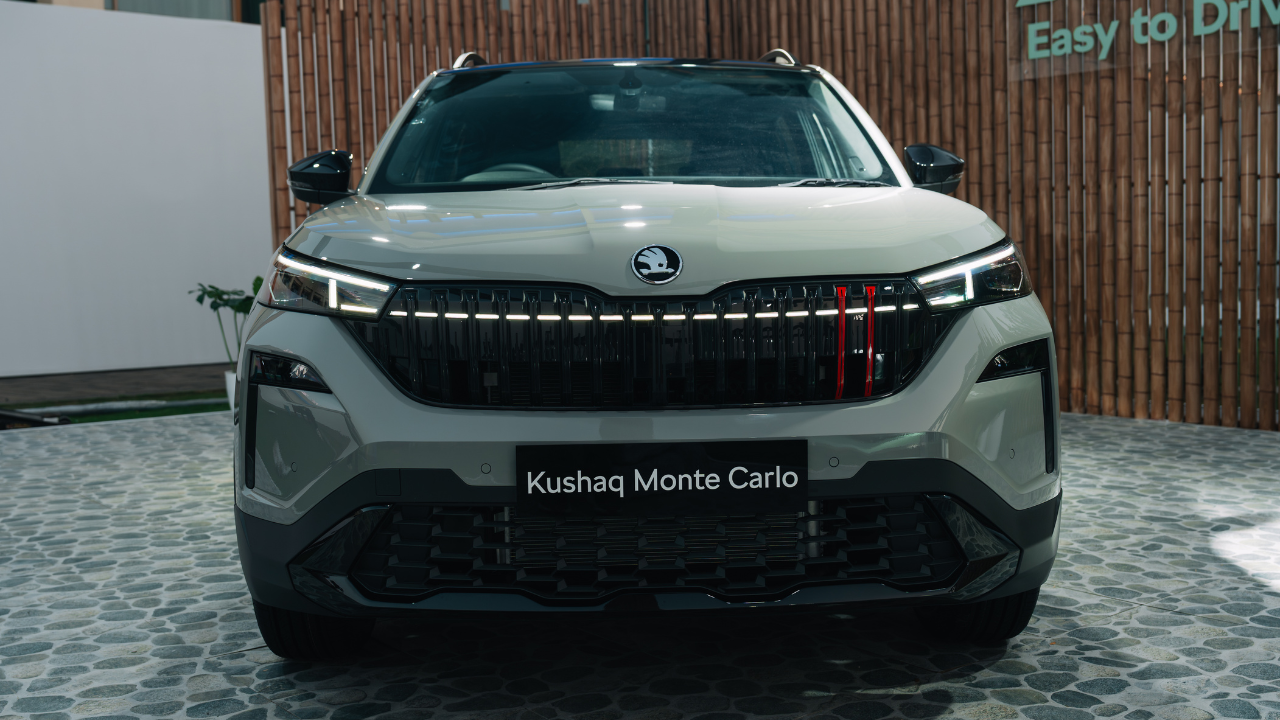
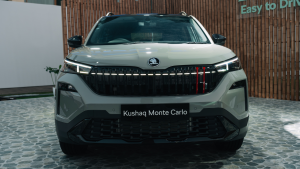
The overall silhouette of the SUV remains the same; however, it now gets a completely reworked front and rear end. Up front, it now features a redesigned grille with chrome accents, slimmer headlamps, and a new LED DRL signature that extends across the grille. The lower section gets a fresh skid plate, while the bumper adopts a honeycomb-style design. Changes along the sides are subtle, limited to newly designed 17-inch alloy wheels and thicker black cladding that enhances the SUV’s road presence. At rear, it gets a redesigned tailgate with new connecting LED taillights and a glowing ‘SKODA’ lettering. Other highlights include a shark fin antenna, silver skid plate, rear wiper with washer, roof rails, integrated spoiler and more.
Moving inside, the overall layout is still the same with minor changes. It continues to get a capacitive climate control panel, two spoke steering wheel and control panels. Features-wise, it gets a 10.1-inch touchscreen infotainment system with Apple Car Play/Android Auto, a 10.25-inch fully digital cluster, a six-speaker Skoda sound system with subwoofer and amplifier, automatic climate control, a panoramic sunroof, leatherette seats, electrically adjustable front seats with ventilation, Ai companion powered by Google, segment-first rear massager and more.
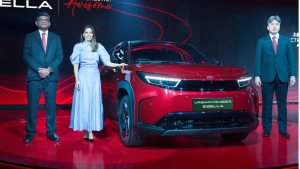
Toyota Kirloskar Motor is also expected to launch the new Toyota Urban Cruiser Ebella electric SUV sometime in March 2026. Based on the Suzuki e-Vitara, the Ebella EV shares a majority of its core components with its Maruti counterpart. This reveal marks a key milestone for Toyota, marking its entry into India’s mass-market EV segment with a mid-size electric SUV that will take on competitors like the Hyundai Creta Electric, MG ZS EV and the upcoming Maruti Suzuki e-Vitara.
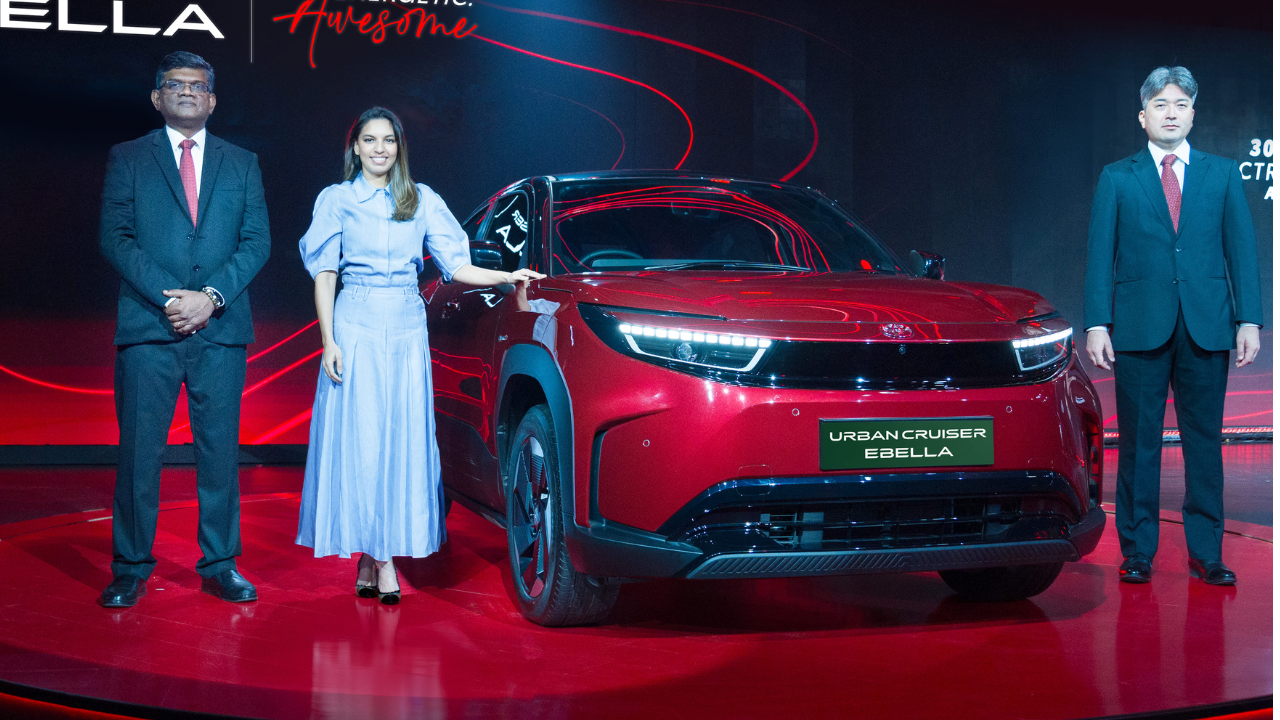
The bookings for the EV are already underway; interested customers can book it online or by visiting their nearest dealership. The company is offering an 8-year battery warranty, 60 per cent buyback assurance and a battery-as-a-service (BaaS) programme.
The Urban Cruiser Ebella is available in two battery pack options – 49kWh or a 61kWh battery pack. The 49kWh battery will come paired with a single motor placed on the front axle, which puts out 144hp. The bigger 61kWh battery also gets single-motor, but here it puts out 174hp. Both motors produce identical 189Nm of torque. Talking about range, the EV has a claimed range of 440 km with the 49 kWh battery pack, while the larger 61 kWh version is rated at 543 km on a single charge. The Urban Cruiser Ebella is variants – E1, E2 and E3.