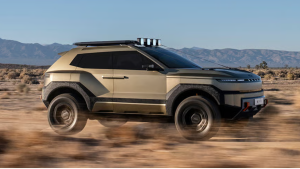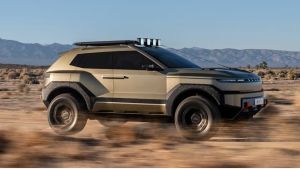
The Hyundai Crater off-road concept SUV presents a vision of what a rugged, adventure-focused model from the brand could look like. Developed at its California design studio, signals the next phase of the company’s adventure-focused EV plan. The concept also previews potential future models that may be introduced under the XRT badge overseas.
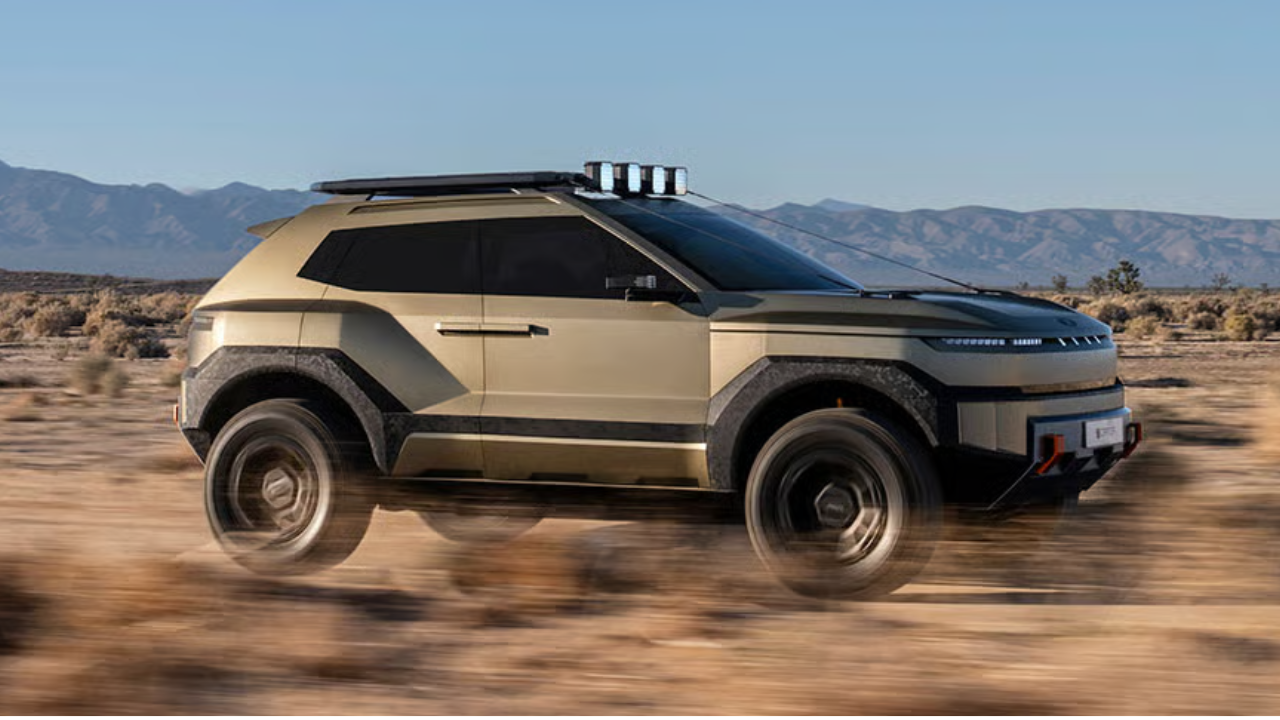
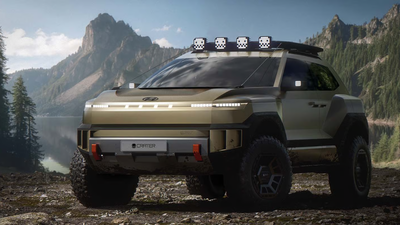
The exterior follows Hyundai’s ‘Art of Steel’ theme, with boxy proportions, an upright stance and sharp surface detailing. A 3D LED lighting strip sits at the base of the bonnet and incorporates the brand’s four-dot EV signature. The front gets an enclosed grille, a heavy-duty bumper with recovery hooks and a sculpted bonnet with exposed cables leading to a roof rack designed to shield the windshield.
Auxiliary lamps feature symbolic graphics known as ‘Crater Man’.
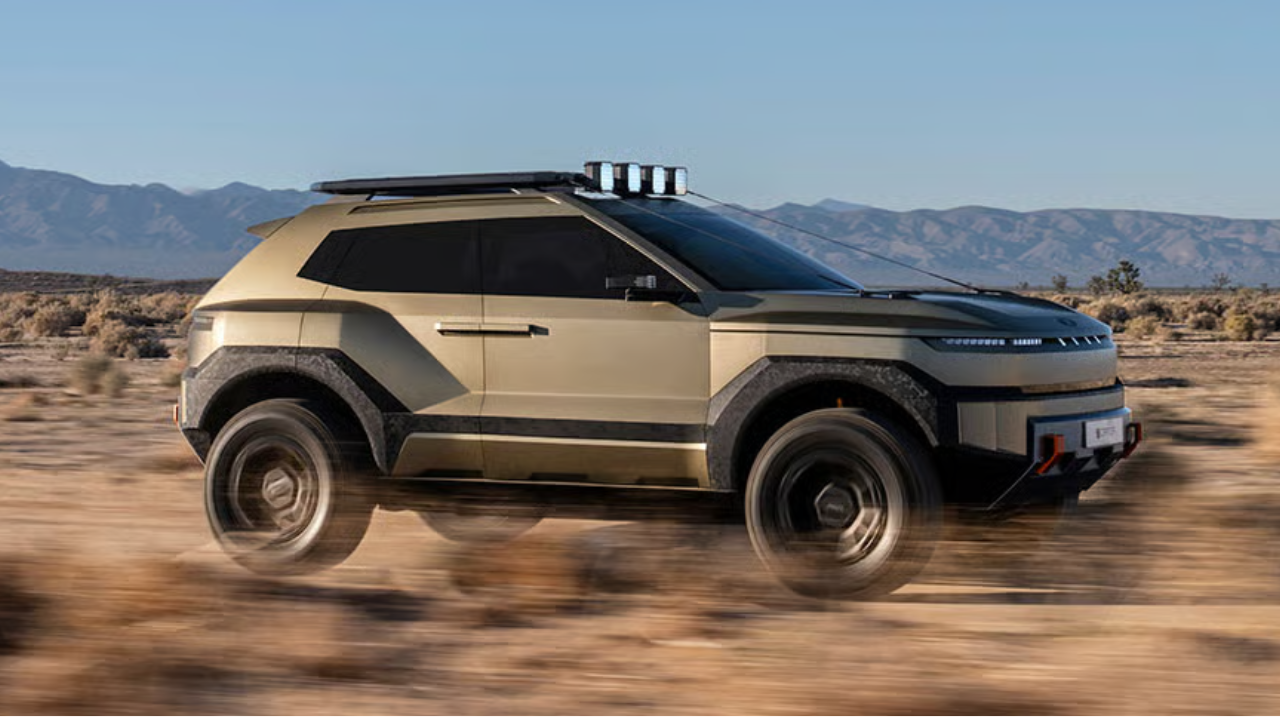
The side profile features pronounced wheel arches housing 18-inch wheels with 33-inch off-road tyres, along with extensive cladding. Conventional mirrors are replaced by detachable cameras that can function as flashlights. The SUV has rear-hinged back doors and no B-pillar. At the rear, it carries muscular haunches, a rugged bumper and lighting elements similar to those at the front.
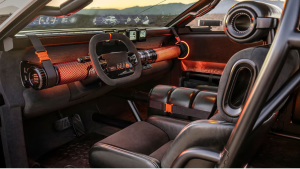
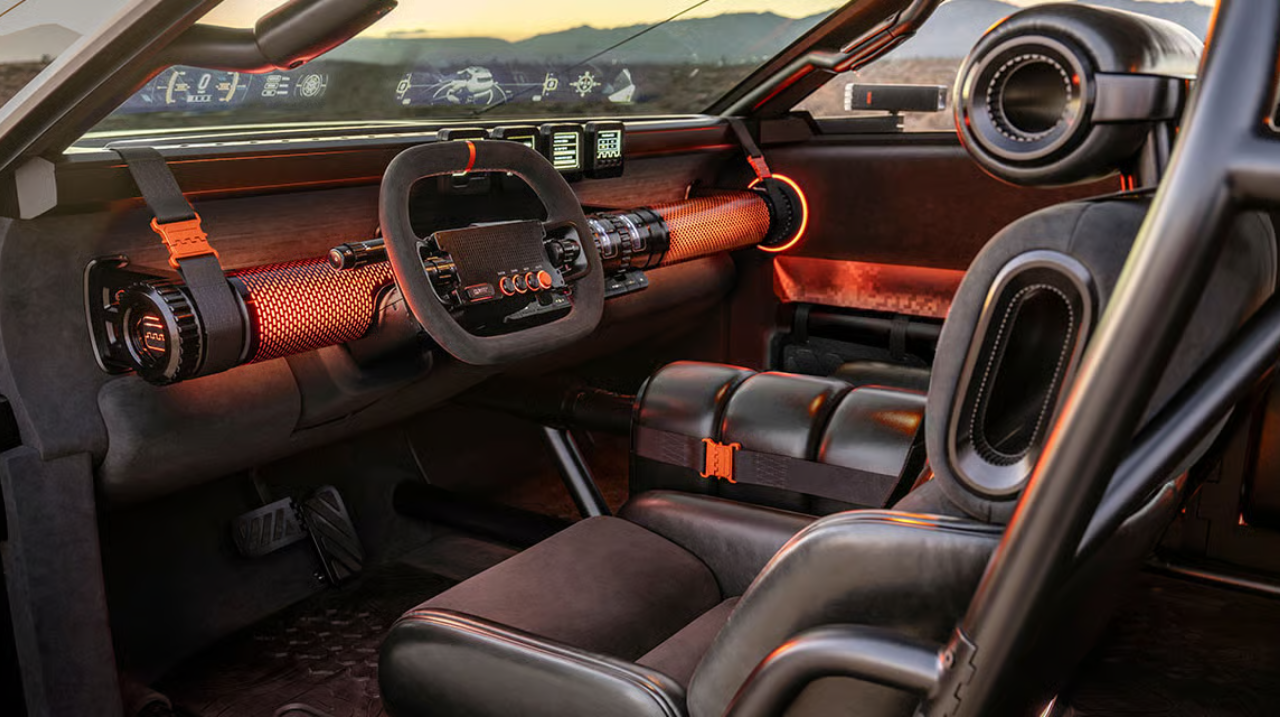
The bodyshell integrates a roll cage, visible when the doors are open. Inside, the cabin uses cylindrical design elements and replaces traditional instruments with a pillar-to-pillar head-up display. A central touchscreen is paired with four small displays in the centre console showing ‘Crater Man’ symbols. Terrain modes are operated through physical buttons on the steering wheel, in line with Hyundai’s XRT models.
Conventional rear-view mirrors have been replaced with detachable camera modules that can also function as portable flashlights or action cameras.
The company has not revealed the technical specifications, the concept may feature a dual-motor all-wheel-drive system. Such a configuration would enable separate power distribution to the front and rear axles to enhance traction on different surfaces. The reference to locking differentials at both ends suggests an emphasis on off-road performance, as these systems balance torque between wheels on the same axle when grip is uneven.
The setup signals a drivetrain intended for challenging terrain rather than mild off-road use. Hyundai has not confirmed plans for India. However, growing demand for adventure-oriented SUVs, including electric models, increases the relevance of the Crater concept. If the company applies this design direction to the Indian market, it could contribute to the emergence of a new rugged EV segment in the coming years.