
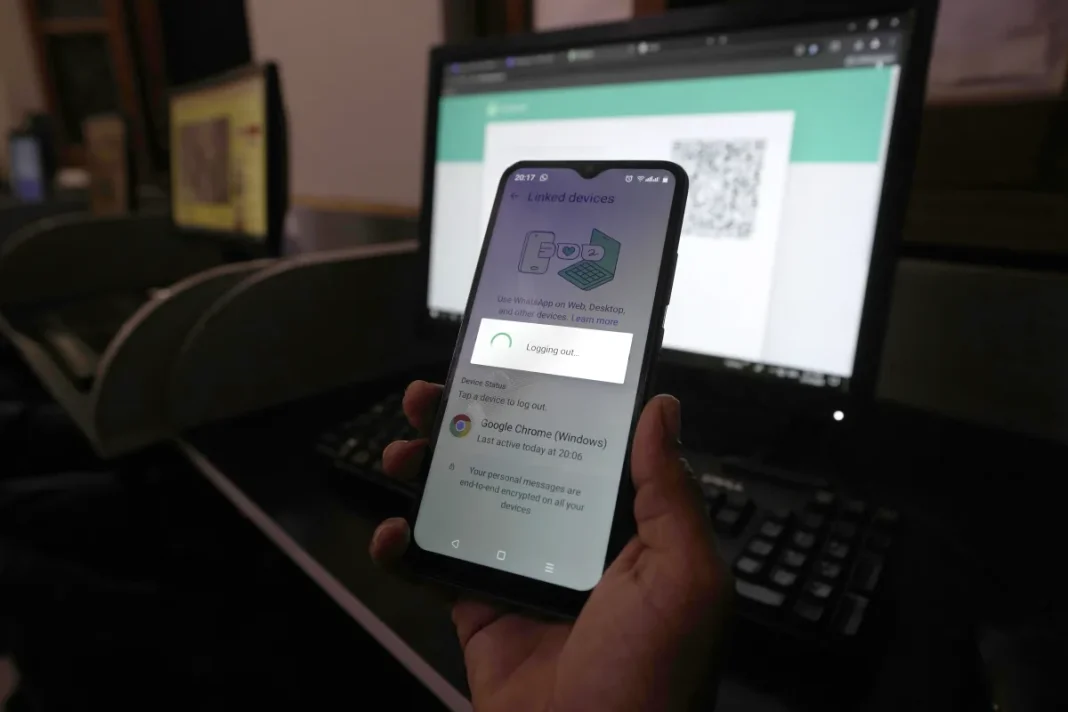
The Indian government has mandated that messaging apps like WhatsApp, Telegram, and Signal must be continuously linked to an active SIM card, with web versions requiring automatic logout every 6 hours.
Key Takeaways
- Messaging apps must require active SIM card in device
- Web versions must auto-logout users every 6 hours
- 90-day compliance deadline for companies
- Aim to prevent cyber fraud from outside India
New SIM Card Mandate for Messaging Apps
The Centre has issued directives requiring app-based communication services including WhatsApp, Signal, Telegram, Arattai, Snapchat, Sharechat, Jiochat, and Josh to maintain continuous linkage with users’ active SIM cards.
This means these messaging platforms will only function when the registered SIM card is physically present in the device being used.
Government’s Security Concerns
The Department of Telecommunications (DoT), which issued the order on November 28, identified that some apps allow service consumption without the underlying SIM present in the device.
“This feature is posing a challenge to telecom cyber security as it is being misused from outside the country to commit cyber-frauds,” the department stated.
The measures aim to prevent misuse of telecommunication identifiers and safeguard the integrity of India’s telecom ecosystem.
Implementation Timeline and Requirements
Companies have 90 days to implement two key changes:
- Continuous SIM Linkage: Services must verify active SIM presence, making app usage impossible without the specific registered SIM
- Web Version Logout: Web app users will be automatically logged out every 6 hours and must re-authenticate via QR code
All service providers must submit compliance reports within 120 days. The directives take effect immediately and remain valid until amended or withdrawn.
Non-compliance will invite action under the Telecommunications Act, 2023, and Telecom Cyber Security Rules.


