
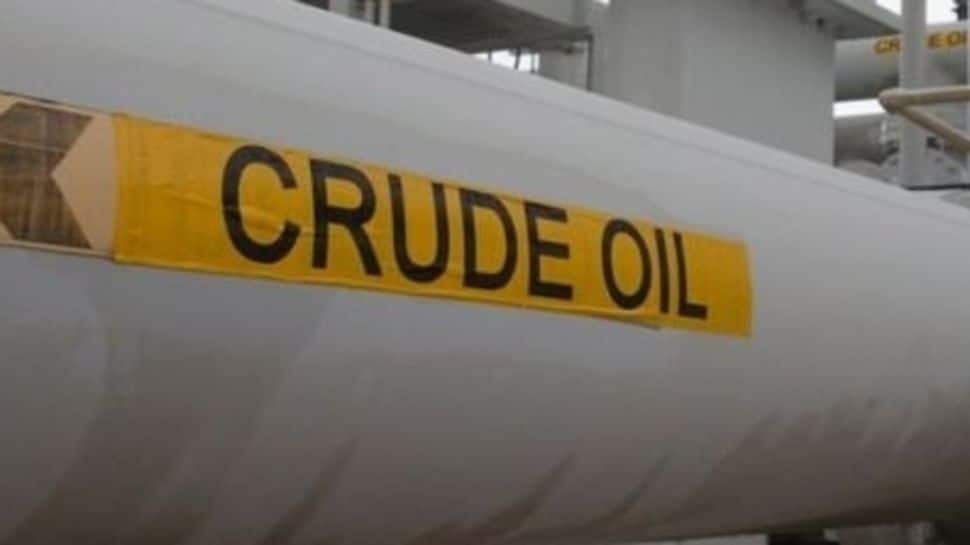
Crude Oil Could Become Cheaper Than Bottled Water by 2027: JP Morgan Forecast
Key Takeaways
- Brent crude may drop to $30 per barrel by March 2027
- Global supply surge to outpace demand growth significantly
- India could see substantial petrol and diesel price reductions
- Non-OPEC+ countries driving the supply boom
In a stunning projection that could reshape global energy markets, JP Morgan predicts crude oil prices may fall below the cost of bottled drinking water within three years. The international brokerage giant forecasts Brent crude could plummet to $30 per barrel by March 2027, representing a more than 50% drop from current levels above $62.
Price Comparison: Oil vs Water
At an estimated exchange rate of Rs 95 per dollar, $30 per barrel would translate to roughly Rs 2,850. With each barrel containing 159 litres, this brings the per-litre cost of crude to just Rs 17.90 – cheaper than the average Rs 18-20 per litre price of bottled water in Delhi.
Supply-Demand Imbalance Driving Prices Down
The dramatic price decline stems from a fundamental shift in global oil dynamics. While demand continues growing steadily, supply growth is projected to outpace consumption significantly through 2027.
Demand Projections:
- 2025: 0.9 million barrels per day growth (105.5 mbpd total)
- 2026: Steady growth continues
- 2027: 1.2 mbpd growth expected
Supply Surge: JP Morgan forecasts supply will expand nearly three times faster than demand in 2025-2026, continuing to outpace consumption through 2027.
Non-OPEC+ Countries Lead Supply Boom
The supply surge is primarily driven by production outside the traditional OPEC+ alliance. Key contributors include Russia, Mexico, Kazakhstan, and other non-OPEC+ nations benefiting from offshore growth and shale production advancements.
Offshore oil, once considered high-cost, has transformed into a reliable low-cost growth engine with projected additions of:
- 2025: 0.5 mbpd
- 2026: 0.9 mbpd
- 2027: 0.4 mbpd
Shale Production Remains Key Factor
Shale oil continues to be the most flexible component of global supply. Despite slowing US shale growth, efficiency improvements sustain output. Argentina’s Vaca Muerta region has emerged as a significant low-cost source with enhanced export infrastructure.
Global shale supply projections:
- 2025: 0.8 mbpd increase
- 2026: 0.4 mbpd growth (at $50/barrel)
- 2027: 0.5 mbpd additional production
Price Trajectory to $30
The supply-demand imbalance could push Brent below $60 in 2026, potentially reaching $50 by year-end. Average prices may fall to $42 in 2027, with end-year levels approaching the $30 target.
JP Morgan expects Brent to trade around $58 in 2026, slightly below current levels, even as inventories potentially reach 2.8 mbpd.
Major Benefits for Indian Consumers
For India, a major crude importer, this price collapse would bring substantial relief. Current crude imports cost over Rs 5,600 per barrel, but by 2027 – even with potential rupee depreciation to Rs 100 per dollar – the cost could drop to around Rs 3,000 per barrel.
This Rs 2,600 reduction per barrel provides significant room for the government and oil companies to slash retail petrol and diesel prices, easing the financial burden on millions of Indian consumers and businesses.


