Key Takeaways
- Neolithic communities kept rubbish near homes, suggesting ownership and responsibility
- Ancient people may have been keen recyclers who reused discarded items
- Emotional attachment to possessions could explain why waste was kept close
- Research aims to reshape modern waste management perspectives
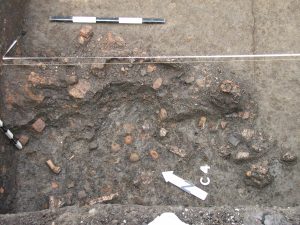
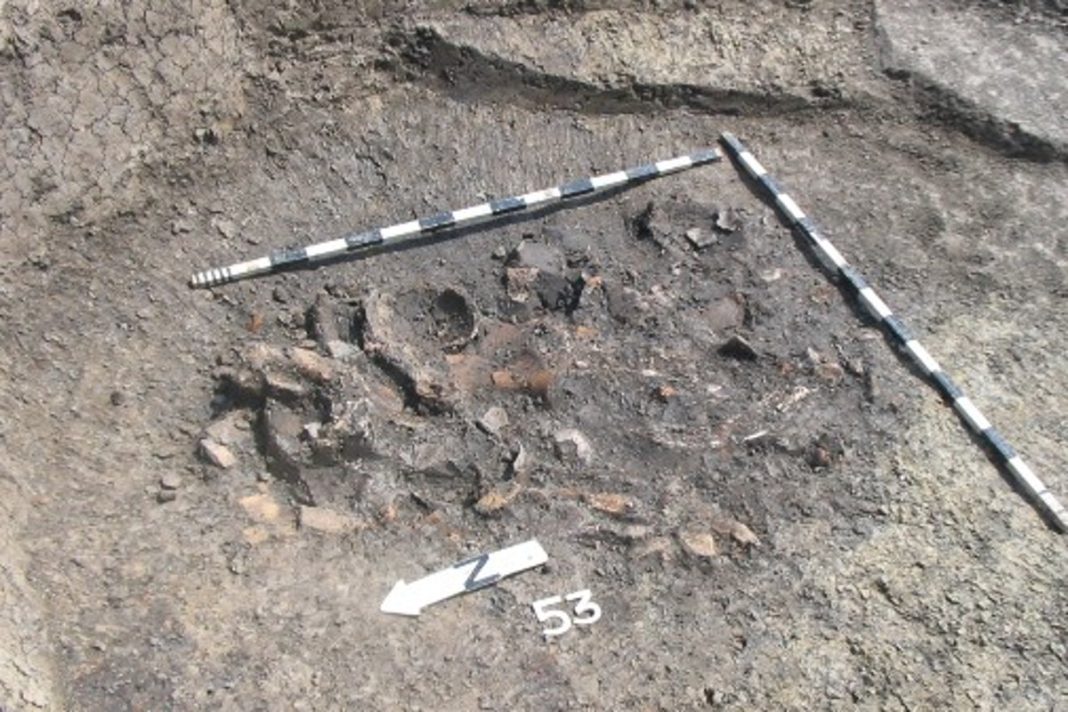
Archaeologists are discovering that ancient rubbish heaps hold surprising insights into how Neolithic communities viewed and managed their waste. A new international research project reveals these early farmers kept trash close to their homes, suggesting a sense of ownership and responsibility that contrasts with modern waste disposal practices.
Ancient Waste Management Practices
Researchers from the University of York are leading a project examining how Neolithic communities handled their growing waste piles. The team found evidence that ancient people maintained rubbish near their living spaces, indicating possible emotional connections to discarded items and a practical approach to reuse.
Professor Penny Bickle from the University of York’s archaeology department explained: “Keeping rubbish close to the home could suggest a sense of ownership – did they feel responsible for their waste and therefore chose to deal with it within the vicinity of their home?”
Neolithic Recycling Mindset
The research suggests Neolithic communities may have been early recyclers who understood that discarded items “could potentially be used again.” This contrasts with modern Western approaches where waste is typically removed from homes and handled by others.
Professor Bickle noted: “In the Western world putting items in a recycling bin and having others ‘deal with it’ is common, but not all cultures operate this way, and so it is possible that the ancient Neolithic farmers had the view that waste is the responsibility of the owner.”
Emotional Connections to Waste
Dr Vindrola-Padros from Christian Albrecht University of Kiel suggested emotional factors might explain why waste was kept nearby: “One possible explanation for keeping waste items close to the home is an emotional one – these possessions often carry meaning beyond their practical use, as demonstrated by their inclusion in burial rituals.”
He added that understanding past waste management could reshape modern perspectives: “By delving into these questions, we could help reframe the way we think about waste. Today we push it away from the home for mostly hygiene purposes, but not all waste is unsanitary.”
Future Research Directions
The research team plans to survey four archaeological sites across Europe, from the Balkans to the Baltic coast. Using scientific techniques and digital tools, they will reconstruct the “life stories” of discarded objects that might have been used multiple times before final disposal.
Professor Henny Piezonka from Freie Universität Berlin’s Institute of Prehistoric Archaeology wants to understand if early farmers viewed waste as problematic: “We want to look at this question more closely and understand what were the challenges of having waste on the doorstep as well as the opportunities for repairing, reshaping, repurposing and reusing it.”
The project aims to provide new perspectives on contemporary waste management by examining ancient practices.