
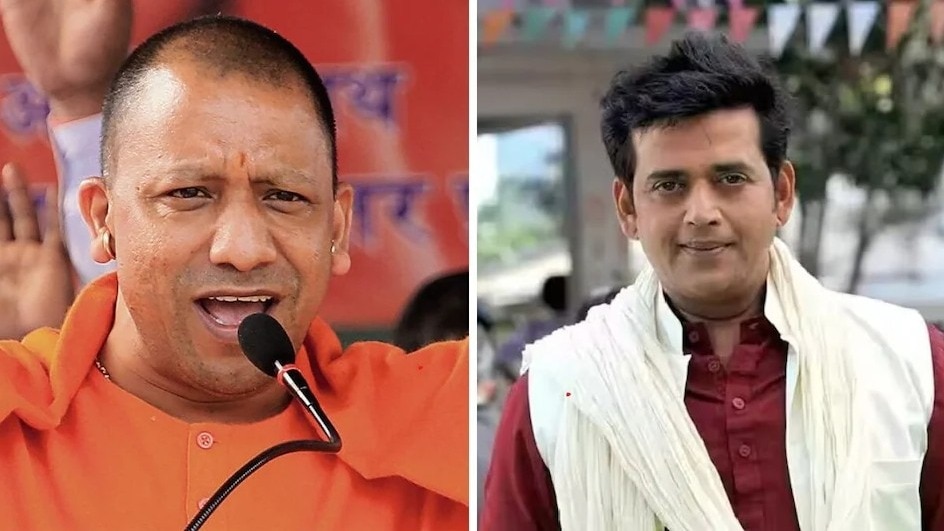
During a public event in Gorakhpur earlier this month, Yogi Adityanath left the audience laughing after teasing BJP MP and actor Ravi Kishan over his recently awarded honorary PhD.
The Uttar Pradesh Chief Minister joked that since it was only a maanad or honorary degree, Ravi Kishan could neither use it to get a job nor officially become a “Professor” or “Doctor”.
In another quip, Yogi said the best use of the degree was to “hang it around the neck and walk around”. And when Ravi Kishan insisted on being called a doctor, Yogi laughed, asking what would happen if such a “doctor” actually began treating patients.
The exchange quickly went viral online, but behind the humour was a genuine academic question many people still misunderstand: what exactly is an honorary doctorate, and what can its recipient legally do with it?
WHAT IS AN HONORARY DEGREE?
An honorary degree, formally called Honoris Causa, is an award given by a university to honour someone’s contribution to society, arts, science, literature, public service or other fields.
Unlike a regular PhD, the recipient does not attend classes, write research papers or submit a thesis.
It is recognition, not an academic qualification.
Indian universities often award honorary doctorates during convocations to celebrate public figures whose work has had social or cultural impact.
Celebrities such as Sachin Tendulkar, Shah Rukh Khan, Amitabh Bachchan and A. R. Rahman have all received honorary degrees from universities in India and abroad.
CAN YOU USE ‘DR’ AFTER GETTING ONE?
This is where the confusion begins.
According to University Grants Commission guidelines, honorary doctorate recipients are generally not supposed to use ‘Dr’ before their names in a way that suggests an earned academic qualification.
If used, it should ideally be clarified with terms such as (Honoris Causa) or (Hon.).
That is why Yogi Adityanath jokingly remarked that Ravi Kishan becoming “Doctor” would not mean he could start practising medicine.
The joke worked because honorary doctorates carry prestige, but not professional authority.
CAN IT HELP YOU GET A JOB?
In simple terms: no.
An honorary degree does not count as a formal educational qualification for recruitment, teaching posts, promotions or government jobs.
You cannot apply for a university professorship or academic role based solely on an honorary doctorate because it does not involve coursework, research credits or examination.
However, it can still boost public reputation and credibility, especially for personalities in entertainment, politics, philanthropy or social work.
WHO CAN RECEIVE AN HONORARY DOCTORATE IN INDIA?
There is no fixed age limit or educational requirement.
Universities usually select recipients through governing bodies or academic councils. The award is often given to people who have achieved extraordinary recognition in their fields.
In India, honorary degrees are commonly awarded to:
- Film stars and artists
- Political leaders
- Scientists and innovators
- Sportspersons
- Spiritual leaders
- Industrialists and philanthropists
Some universities have also faced criticism for giving honorary degrees too freely, especially to controversial public figures or politicians.
WHY UNIVERSITIES GIVE THEM
Honorary doctorates are not just about celebrating famous people.
Universities also use them to build prestige, attract attention and strengthen public identity. A high-profile convocation guest can bring media coverage and visibility to an institution.
Globally, even universities like University of Oxford and Harvard University regularly award honorary degrees to world leaders, artists and scientists.
THE BIGGER PICTURE
An honorary doctorate sits somewhere between academia and symbolism.
It does not replace years of research or formal study. But it does represent public recognition from an academic institution.
So while Yogi Adityanath’s joke drew laughter, it also highlighted a real distinction many people overlook: honorary degrees bring honour, not professional qualification.


