
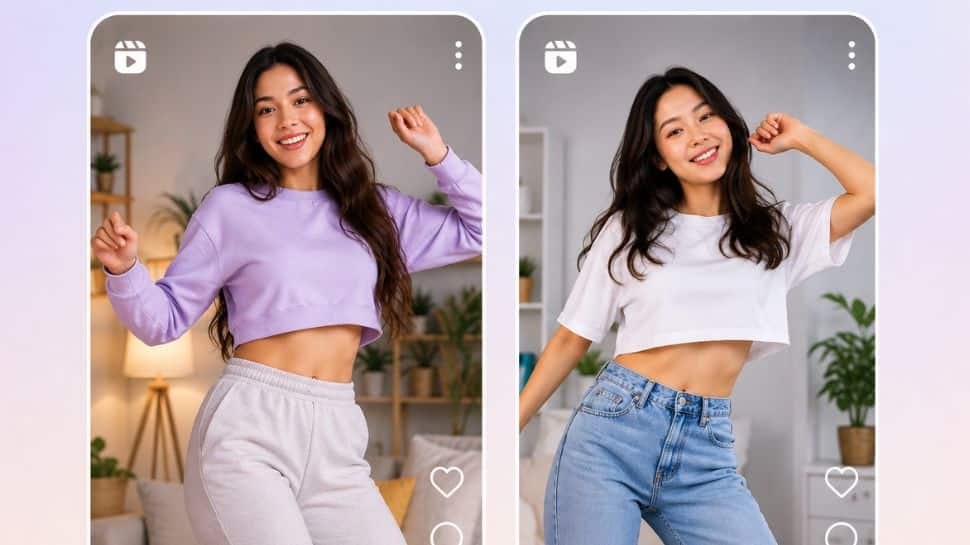
Instagram AI influencers trend: If you have scrolled Instagram in 2026 and stopped at a video of a young woman dancing in perfect lighting, with flawless hair and sharp moves, there’s a good chance she isn’t real. AI influencers, also called virtual influencers, are computer-generated characters posting reels, promoting brands, and racking up millions of followers across Instagram right now. The industry behind them is worth billions this year alone, and it’s growing fast. Most viewers don’t know the difference.
The Instagram AI influencers trend has surged in 2026, with AI-generated women posting reels daily, gaining followers, brand deals, and views across India, the US, and beyond. The trend is growing fast because AI tools now create lifelike faces, movements, and voices that are hard to tell apart from real creators.
What is Instagram AI influencers trend?
The Instagram virtual creator trend refers to AI-generated women influencers who post dance videos, lip-sync reels, and lifestyle content. These avatars look like real people, complete with natural expressions, trendy outfits, and viral choreography. Many accounts post daily, using AI tools that can generate videos in minutes. Some of these profiles have crossed hundreds of thousands of followers, with users engaging through likes, comments, and shares—often unaware they are interacting with AI.
Why these AI influencers are going viral
There are two main reasons behind the trend’s growth: speed and control. Creators can produce unlimited content without shoots, travel, or scheduling. Brands also find them appealing because AI influencers don’t age, get tired, or create controversies. Marketing agencies have started testing these virtual creators for promotions, especially in fashion and beauty. For viewers, the content feels familiar—short, catchy, and designed to hook attention within seconds.
The hidden risks for users
The rise of AI influencers raises concerns around trust and transparency. Many accounts do not clearly label their content as AI-generated. This can mislead users, especially younger audiences, into believing these are real people. Experts warn that such trends can distort beauty standards, push unrealistic body images, and even enable scams if fake personalities promote products or links.
There’s also a growing risk of identity misuse, where real faces are cloned into AI avatars without consent.
Why platforms are under pressure
Social media companies like Instagram face increasing calls to label AI-generated content clearly. Regulators and digital safety groups argue that users deserve to know what is real and what is synthetic. While some platforms have started testing AI labels, enforcement remains inconsistent. Without clear rules, trends like this can spread quickly and blur the line between entertainment and deception.
The Instagram virtual creator trend shows how fast AI is reshaping social media. What looks like harmless entertainment can quietly change how people see reality online. As AI tools have become easier to use, the need for clear labels and smarter users has become more urgent.
So, the next time a reel of a woman pops up in your feed, it might be AI, not a person. She can look real, sound real, and sell you something real.


