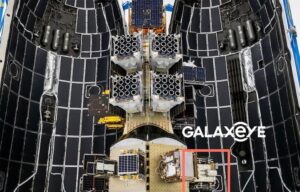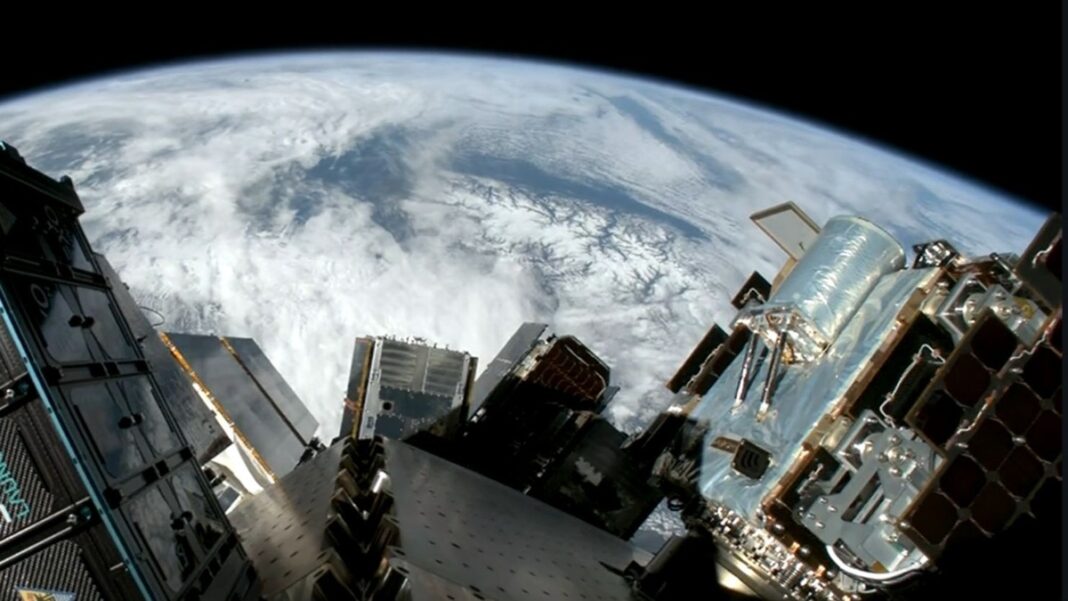
In a major boost for India’s private space sector, Bengaluru-based startup GalaxEye has successfully placed its innovative satellite, Mission Drishti, into orbit.
Launched on May 3, 2026, aboard a SpaceX Falcon 9 rocket from California, Drishti is the world’s first OptoSAR satellite.
Developed by a team of IIT Madras alumni in just a few years, this 190 kg satellite is also India’s largest privately built Earth observation craft, and promises to deliver clearer, more reliable views of our planet, no matter the weather or whether it’s day or night.
WHAT IS OPTOSAR TECHNOLOGY?
Traditional satellites usually rely on one of two main ways to photograph Earth from space.
Optical cameras work like regular digital cameras that capture colours, textures, and details in clear, easy-to-understand pictures.
However, they fail when it is cloudy, smoky, or dark at night.
On the other hand, Synthetic Aperture Radar (SAR) satellites send out radar signals that bounce back from the ground.
These SAR technology satellites can see through clouds, rain, and darkness, working day and night. But the black-and-white radar images can look strange and are hard for most people to interpret without help.
OptoSAR combines both technologies on a single satellite.
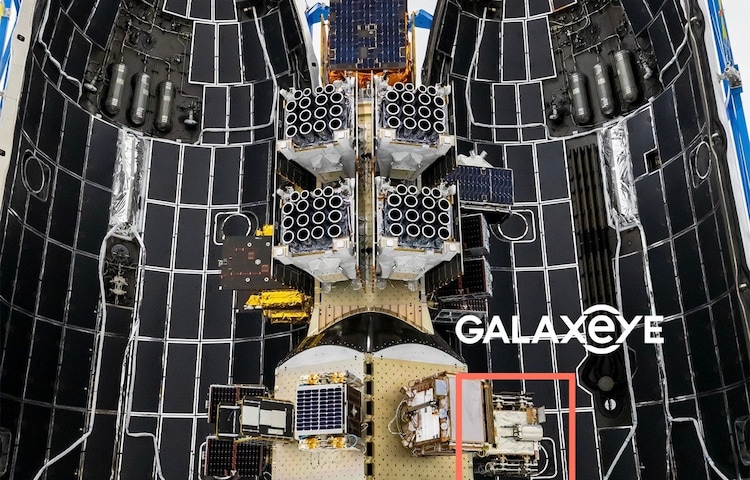
Drishti carries an optical multispectral imager and a SAR sensor that capture images of the exact same spot at the exact same time.
This peculiar approach removes problems like mismatched angles or time gaps that occur when combining data from two separate satellites.
The result is sharper, more useful pictures with the best of both worlds, featuring optical clarity plus all-weather reliability.
HOW DOES OPTOSAR MATTER TO INDIA?
India often faces cloudy monsoon skies, making consistent satellite monitoring difficult for farming, disaster response, and defence.
Drishti’s ability to provide steady, high-quality data, with fused resolution of around 1.8 metres, can help track crop health, spot floods or forest fires quickly, monitor coastlines, and support infrastructure planning. All of that during the day as well as at night or during bad weather.
The data will benefit both civilian and strategic needs.
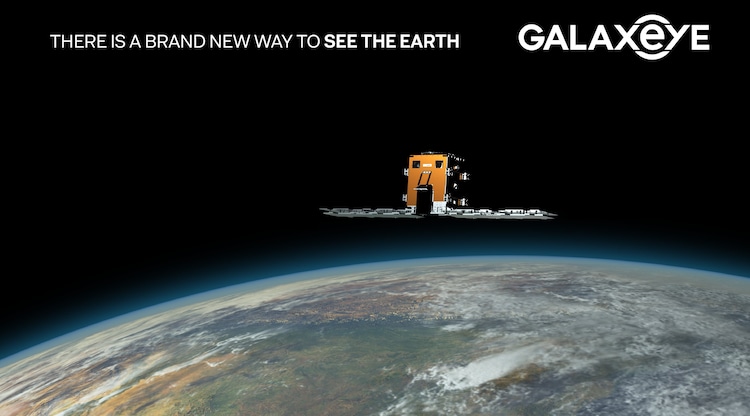
By making advanced Earth observation simpler and more accessible, GalaxEye aims to help governments, businesses, and researchers make faster, better decisions.
What started as a student project at IIT Madras has now become a global first. With strong support from Isro and praise from Prime Minister Narendra Modi, Mission Drishti highlights the rapid growth of India’s private space industry.
Upon its successful launch, PM Modi took to social media platform X to share his wishes, noting that the indigenously built satellite “is a testament to our youth’s passion for innovation and nation-building.”
“Heartiest congratulations and best wishes to the founders and the entire team of GalaxEye,” he added.
As Drishti begins operations, it opens a new chapter in how we observe and understand our planet reliably, intuitively, and around the clock.