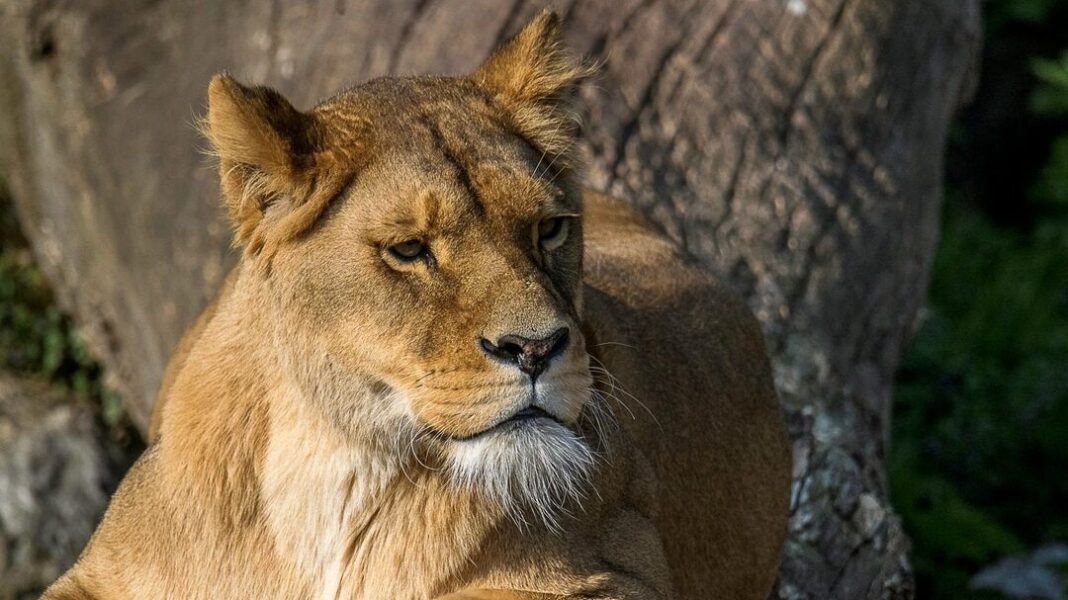
Imagine spotting a lion with skyscrapers in the background. That is not a scene from a film, it is everyday life in Nairobi. Known as the ‘wildlife capital of the world,’ this city offers something no other major urban centre does: a fully functioning national park within its borders.
Just minutes from busy roads and office buildings, wildlife roams freely. It is this rare mix of city life and raw nature that makes Nairobi stand out on the global map.
A CITY WHERE WILD MEETS URBAN
At the heart of this title is Nairobi National Park, established in 1946.
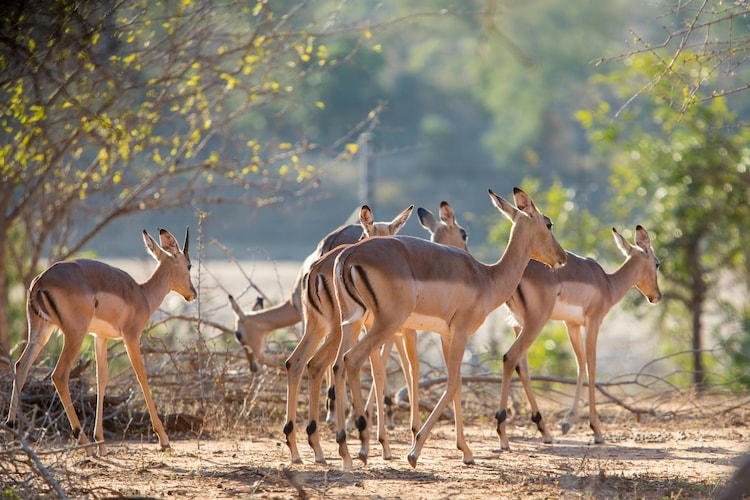
Located just 7–10 kilometres from the city’s central business district, the park creates a striking contrast. On one side, you have open savannah. On the other, glass buildings and traffic.
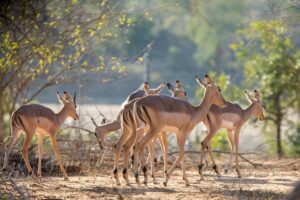
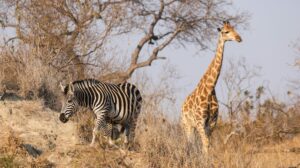
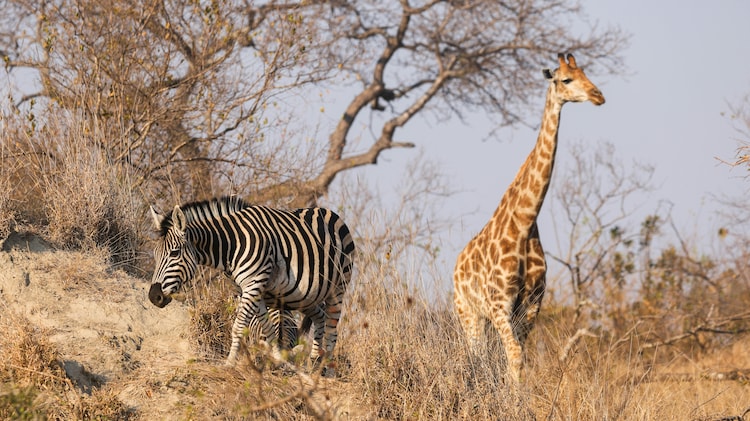
Visitors can spot lions, rhinos, giraffes and even leopards, all with the city skyline in view. It is an experience that feels almost unreal, yet it is completely natural here.
WHY NAIROBI IS CALLED THE WILDLIFE CAPITAL
RICH BIODIVERSITY
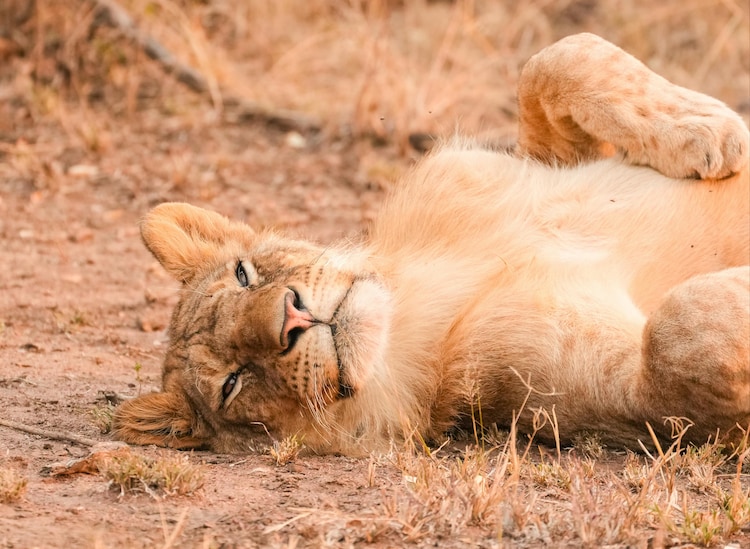
Despite covering around 117 square kilometres, the park supports over 100 species of mammals and more than 400 species of birds. That is a huge range for a space so close to a major city.
UNMATCHED PROXIMITY
Most cities have wildlife reserves far away. Nairobi is different. Here, the wild and the urban exist side by side, with no long travel needed.
A CONSERVATION HUB
The park plays an important role in protecting endangered species like the black rhino. It also shows how wildlife and city life can coexist when managed well.
WHY IT STANDS OUT GLOBALLY
Many cities are close to forests or hills. But Nairobi offers something far more direct. You can go from a business meeting to a safari in under an hour.
This close connection between nature and development is rare. It also makes the city an important example for conservation efforts worldwide.
Nairobi is more than just a capital city, it is proof that urban growth and wildlife can share space. From busy streets to open grasslands, it brings two worlds together in a way few places can.