
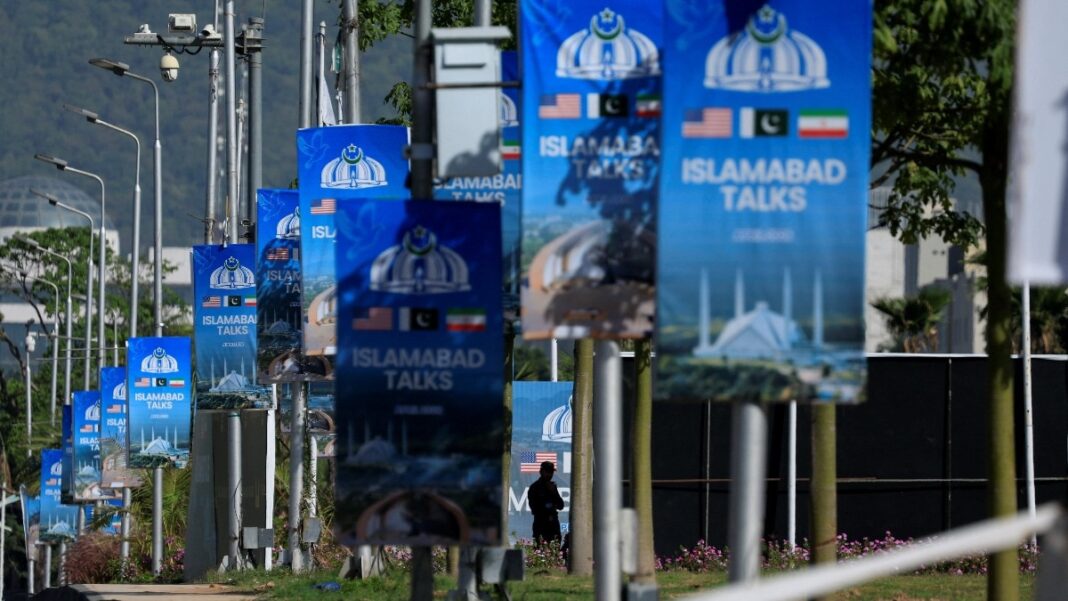
Hopes of any immediate diplomatic breakthrough in the ongoing US-Iran conflict have faded, after fresh efforts to revive negotiations ran into trouble over the weekend. Despite backchannel contacts and mediation attempts through regional players, both sides appeared unwilling to adjust their core demands, leaving the fragile pause in fighting without a clear path forward.
The situation grew more uncertain after US President Donald Trump abruptly cancelled the second round of talks, pulling back his envoys from a scheduled visit to Islamabad. The 79-year-old Republican said that the 18-hour journey is not worthwhile since the US holds all the cards in the war against Iran. US forces also quietly began pulling out security equipment from Pakistan’s capital, according to news agency Reuters, which clearly signals Donald Trump is not preparing to send its delegation back for talks anytime soon.
Although a ceasefire has halted large-scale combat for now, there is still no agreement on how to end the conflict that erupted following US-Israeli strikes on Iran earlier this year.
IRAN DIGS IN AGAINST PRESSURE
Iran has made it clear it will not enter negotiations under what it views as coercion. Iran’s President Masoud Pezeshkian, in a call with Pakistan’s Prime Minister Shehbaz Sharif, said Tehran would reject any talks conducted under threats or restrictions.
He criticised Washington’s naval blockade, describing them as violations of ceasefire understandings and inconsistent with international norms. According to Iranian officials, such actions have only deepened mistrust and serious questions about the US commitment to talks. Tehran has also insisted that the US must first remove obstacles, including its blockade of Iranian ports, before any meaningful negotiations can begin. Meanwhile, Iran has continued its own restrictions in the Strait of Hormuz, blaming the step directly to Trump’s actions.
Despite the hardline approach, Iran’s Foreign Minister Abbas Araqchi has continued diplomatic outreach. He arrived again at Islamabad in Pakistan following his high-level meetings and diplomatic engagements in Oman’s Muscat with a senior delegation.
He will have a brief stopover in Pakistan, after which he will travel onwards to Moscow, Russia, as part of his already scheduled three-nation tour.
Earlier late on Friday, Araghchi had landed in Islamabad to discuss regional developments and the US-Iran ceasefire with Pakistan’s top leadership. During his stop in Islamabad, he held separate meetings with Prime Minister Shehbaz Sharif, Army Chief Asim Munir and Foreign Minister Ishaq Dar. He also conveyed Tehran’s position on the conflict, which Iran blames on actions by the US and Israel. The Iranian delegation has already clarified that no direct talks with the US would take place.
Araghchi added that he had outlined Iran’s position on permanently ending the war and placed the ball in Washington’s court, questioning whether the US was truly serious about diplomacy.
US-IRAN TALKS DEADLOCK OVER CORE DEMANDS
At the core of the deadlock are several contentious demands that both sides appear unwilling to compromise on. The United States has pushed for Iran to halt its nuclear programme and hand over its stockpile of highly enriched uranium, while Tehran insists any limits must be temporary and within its sovereign rights.
Iran has also called for sanctions relief, the release of billions in frozen assets, and compensation for damage caused during the conflict. These demands have been rejected or left unaddressed by Washington, further widening the gap.
Meanwhile, Trump has taken a confrontational tone and clamed that there are internal divisions within Iran’s leadership. “Nobody knows who is in charge, including them,” he wrote, adding, “Also, we have all the cards, they have none! If they want to talk, all they have to do is call!!!”
With inputs from agencies


