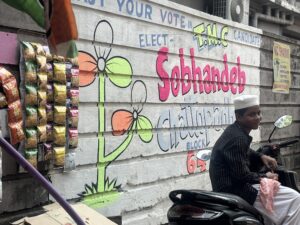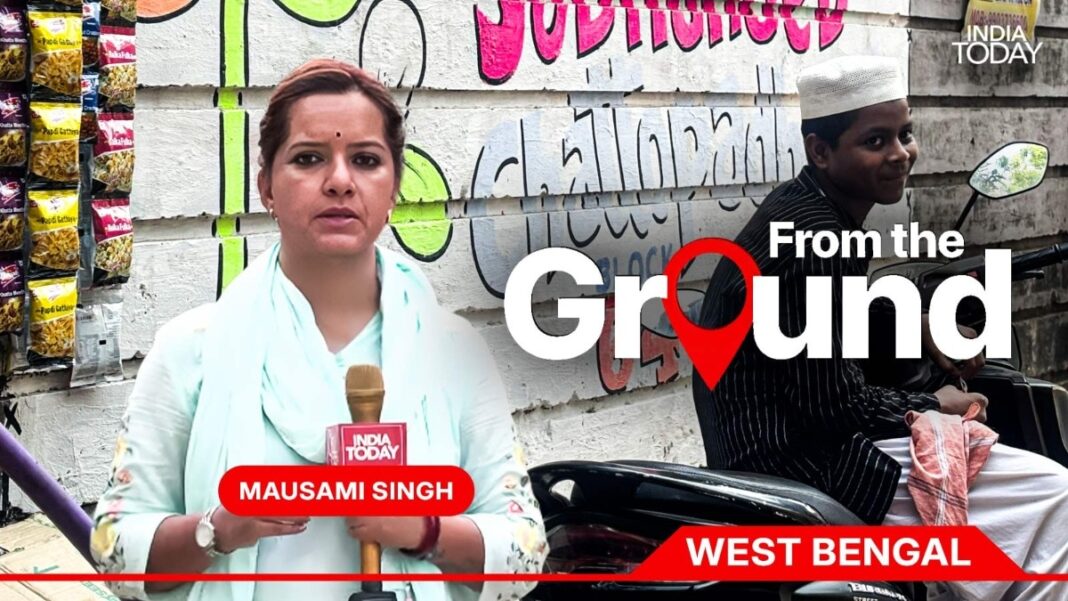
As West Bengal votes in the second phase of Assembly elections, polling in the state capital, Kolkata, has drawn sharp attention. In an increasingly polarised contest, the mood of the city’s Muslim community, nearly a fifth of its population, could play a decisive role.
India Today travelled through Muslim-dominated pockets of Kolkata to understand what is shaping voter sentiment on the ground.
A COMMUNITY WOVEN INTO THE CITY’S FABRIC
Kolkata, a city of layered histories and identities, is home to a significant Muslim population that is deeply embedded in its cultural, economic and political fabric. From the narrow lanes of Metiabruz to the bustling intersections of Park Circus, the imprint of the community is unmistakable.
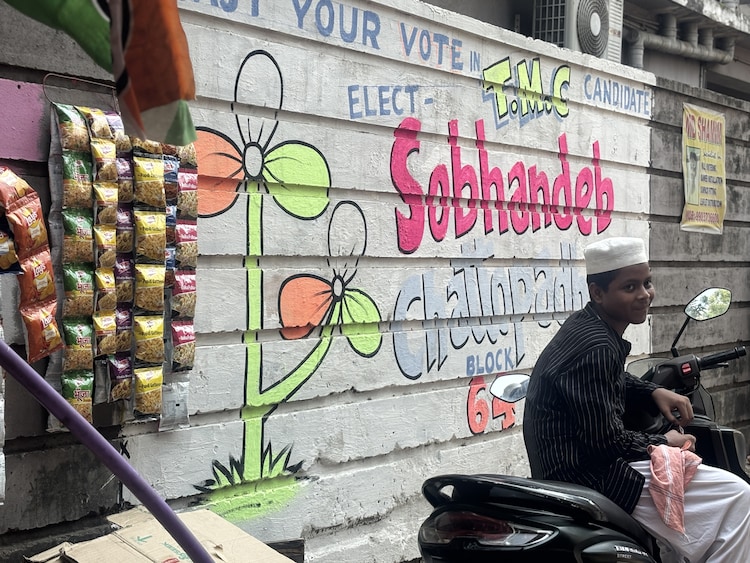
It is often said that whoever comes to Kolkata becomes a part of it. Yet, within this vibrant mosaic, the role of Muslims remains both distinct and deeply rooted.
At Rabindra Sarani, near the iconic Nakhoda Mosque, conversations with voters reveal a consistent thread. For many, this election is not just about promises, but about the overall environment in which they live.
“Peace, harmony and security matter the most,” says one resident. “These are not just words; they define our everyday life.”
YOUTH VOICES: JOBS, BUSINESS AND DISTRUST IN POLITICS
Among younger voters, the concerns are sharper, and often more direct.
“We need a peaceful state. What have we got from the central government? Modi only does drama and plays communal politics,” said one young voter.
Another echoed the sentiment, adding: “What has Modi done? Didi will come back. We are very happy.”
For some, however, the focus is economic.
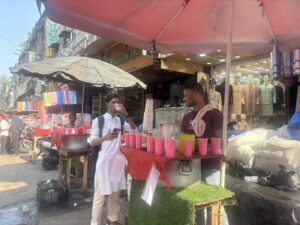
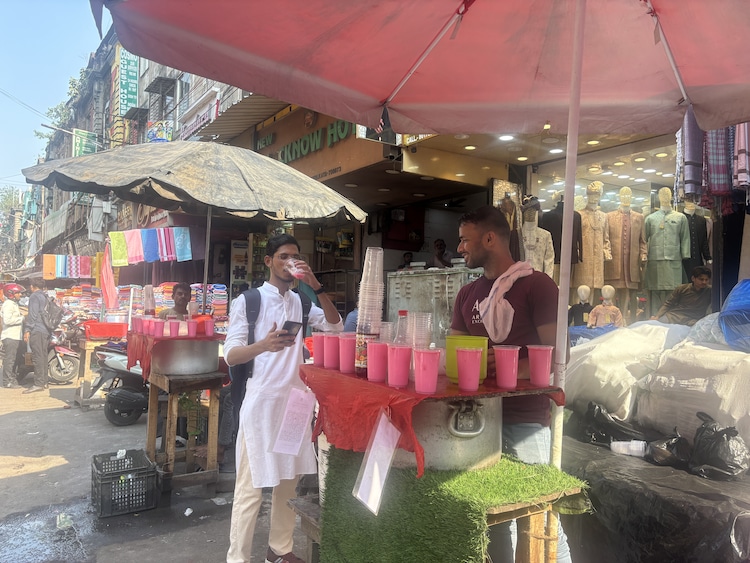
“We want the government to provide us with a proper safety net. We are in the perfume business, but business is low. There are fewer sellers coming to us because buyers’ pockets have shrunk. We need more business,” said a young trader.
There is also visible scepticism about the political class as a whole.
“Politicians are like the sunglasses we sell – many lenses, many faces. They say different things but don’t follow anything,” remarked a shopkeeper.
Another youth summed up the disillusionment: “All politicians are the same. They switch parties. Look at what Raghav Chaddha has done, joining the opposite side with a different ideology.”
NUMBERS THAT TELL A STORY
Data from previous elections underlines the community’s political significance.
In the 2021 West Bengal Assembly elections, 42 Muslim MLAs were elected, 41 of them from the Trinamool Congress (TMC). In 2026, the TMC has fielded 46 Muslim candidates. The BJP, on the other hand, has not fielded any Muslim candidate.
In several constituencies across Kolkata, from the port areas to parts of Ballygunge, the Muslim population exceeds 50 per cent.
LEGACY OF WAJID ALI SHAH STILL RESONATES
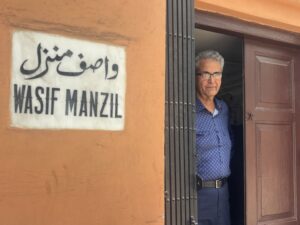
Neighbourhoods like Metiabruz and Rajabazar are not just densely populated localities; they are repositories of history. The cultural legacy of Awadh’s last Nawab, Wajid Ali Shah, who settled in Kolkata, continues to shape the city’s identity.
“Shehenshah Mirza,” a descendant of Wajid Ali Shah, explains: “There is a strong imprint of Awadhi culture here. When Wajid Ali Shah came, art forms like Kathak, poetry and music flourished. Even today, you will find many Urdu-speaking Muslims across Kolkata who cherish that legacy.”
For him, this election also carries a deeper meaning.
“There is fear among people due to the SIR process. Names have been struck off. Those whose names remain feel this election is extremely important. They must vote at any cost.”
POLITICS MEETS CULTURE – EVEN ON A PLATE
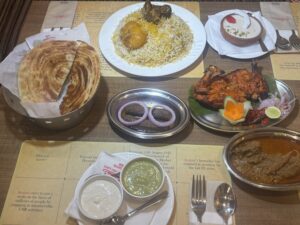
Kolkata’s famed biryani, with its distinctive inclusion of potatoes, is itself a symbol of this shared heritage.
At a nearly 90-year-old eatery, Aminia, the legacy continues. Plates of mutton biryani, pasanda, chicken chop and phirni tell a story that goes beyond food.
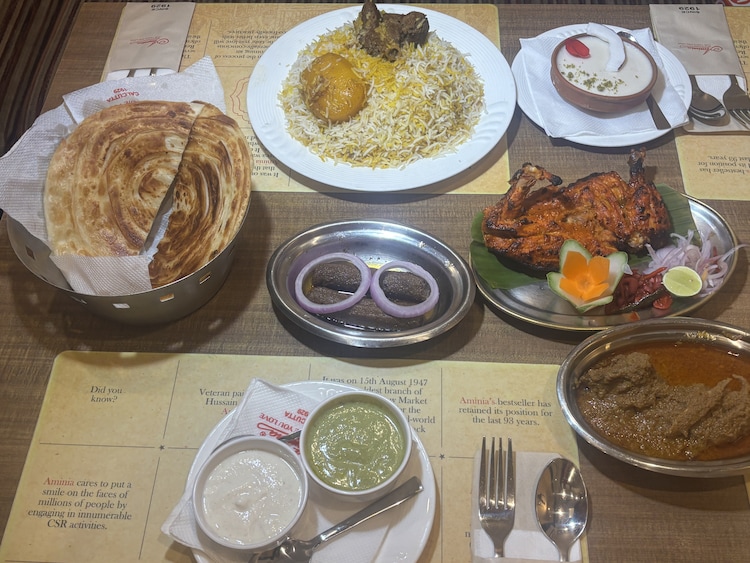
Ashar Ahmed, Director of Aminia, says: “This tradition dates back to Wajid Ali Shah’s time. The potato was added when meat was scarce, and it eventually became a permanent part of Kolkata’s biryani.”
Yet, in this election season, even food has found its way into political rhetoric, be it debates over “machh-bhaat” or biryani.
DEMAND FOR ISSUE-BASED POLITICS
Outside the popular Zam Zam eatery, a local resident voices frustration over what he calls “diversionary politics”.
“There should be politics around real issues. This talk of mutton, fish – what people eat – what kind of politics is that? These are distractions. But yes, Didi will come back.”
WOMEN VOTERS SPEAK UP
Women, who are often reluctant to speak on camera, expressed their views with striking clarity.
Most voiced strong support for Chief Minister Mamata Banerjee.
“We will vote for Didi. She will return,” said one woman.
“If BJP comes, Bengal will be destroyed and divided,” said another.
“We feel safe when we step out. We are getting the benefits of schemes. Didi will come again,” added a third.
“The BJP only does divisive politics,” another voter remarked.
A CONSOLIDATED OPPOSITION TO BJP?
With the contest in Kolkata largely seen as TMC versus BJP, the Muslim community appears to be consolidating against the BJP.
For many voters, the election has become a question of identity and security rather than just governance or development promises.
MORE THAN JUST AN ELECTION
As polarisation intensifies, the stakes for Kolkata’s Muslim voters are high.
For them, this election is not just about political choices; it is about safeguarding a sense of security and belonging.
And in a closely contested electoral battle, their vote could well shape the final outcome.